
-
We Hardly Talk About
For decades, the South-East has remained one of the most important breeding grounds for Nigerian music. Long before the current Afrobeats explosion, cities such as Enugu, Onitsha, Aba, Owerri and Umuahia were producing musicians who mixed traditional Igbo sounds with highlife, funk, soul, pop and later hip-hop.
Enugu in particular developed a strong reputation as a music city. Highlife became deeply rooted there from the 1950s, while the post-Civil War period produced another generation of musicians who kept indigenous music alive. As Nigerian music evolved, the South-East produced a different kind of sound. The region gave birth to indigenous rap, Igbo hip-hop, Afro-highlife, street pop and, more recently, combinations of drill, trap, Amapiano and traditional Igbo instrumentation.
Artists such as Phyno, Flavour, Mr Raw, Zoro and Runtown have carried the region’s music beyond its borders, but beneath these household names is another generation of musicians who are doing important work without receiving the same level of national attention.
Aguero Banks is one of the strongest new voices coming out of Enugu’s indigenous hip-hop movement. Born Chukwu Francis Chukwubuikem, he grew up in Enugu and developed his identity around street experiences, struggle and ambition.
His music is heavily influenced by hip-hop but carries the emotional weight of someone documenting life around him. His Pains and Sacrifice EP introduced listeners to his personal story, while his later work helped establish him as one of the promising rappers from the East. His The Hero project also featured major Eastern names and demonstrated that the region’s underground rap scene has enough talent to produce nationally competitive records.
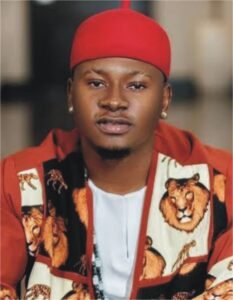
Tuff King, born King David Israel, represents the gritty side of contemporary Enugu rap. Raised in Abakpa Nike, he has developed a sound that combines hip-hop, drill, Afro-inspired production and cinematic storytelling.
His Black Sheepizen project has helped him build a distinctive identity rather than simply following mainstream Afrobeats trends. His music is heavily concerned with survival, street experiences, ambition and the realities of growing up in the East. His emergence also shows that an artist does not necessarily have to relocate to Lagos before his music can travel nationally.
Evado Lee, whose real name is Emmanuel Njoku Chidubem, is another product of Abakpa Nike’s growing music community. His journey began in church before he transitioned into secular music.

He started releasing music online around 2019 and followed with projects including Can’t Fold, Drunk in Pain and Still Drunk in Pain. His breakthrough came with “My Pay”, which became a street favourite and eventually led to a collaboration with Phyno on “Ilu Agha”.
Evado represents a new generation of Eastern rappers who are proving that indigenous rap can remain commercially relevant.
Highstar Lavista, born Nelson Chiedozie Omulu, is another Enugu act steadily building a following. His music combines Afro-pop melodies with rap and street-oriented lyrics.
He reportedly joined the Enugu 042 music community in 2019 and released his debut single “My Early Life” in the same year. His music reflects the aspirations of young people trying to make something out of difficult circumstances. He may not yet have the national visibility of Phyno or Jeriq, but he represents the depth of the talent available in the Enugu music circuit.
Kolaboy is one of the most interesting musicians in the contemporary South-East. Born Chinonso Nwodo, the Enugu artist built his identity around storytelling, Igbo culture and indigenous rap.
His breakthrough came with “They Didn’t Caught Me”, before he released The Story Teller and later Kola from the East. He has also worked with Flavour, Harrysong, Zoro, Jeriq and other Eastern acts.
Kolaboy later developed the “Kolapiano” sound, combining traditional Igbo Oja flute elements with Amapiano rhythms. It is one of the clearest examples of how South-East musicians are adapting global sounds without abandoning their cultural identity.
Zyno TopBoy, whose real name is Urama Henry Olisaemeka, is a young hip-hop act connected to the Enugu and Anambra music corridor.

His music combines street music with spiritual and inspirational elements. He has attracted a growing audience with a sound that does not completely fit into one genre. His ability to move between street-oriented records and more uplifting material has become part of his appeal.
Jeriq is no longer exactly an underground name, but he remains one of the strongest examples of an Eastern artist who built a career around his environment rather than abandoning it.
Born Jeremiah Chukwuebuka Ani in Nkpor, Anambra State, and raised in the Enugu area, Jeriq became known for his street-driven fusion of rap and trap rooted in Eastern experiences. His Billion Dollar Dream album earned Headies recognition, while “My Bro” with Phyno became one of his important records.
His rise has helped open the door for younger rappers from the region.
Sumo Dekofi is one of the lesser-known names quietly developing his own sound in Enugu. He is a rapper, singer and producer who works across Afrobeat and Afro-hip-hop.
His 4th Dimension EP and subsequent releases show an artist experimenting with contemporary sounds while remaining connected to the Eastern alternative and hip-hop community.
Kuttie is another Enugu voice whose music gained attention through his street-oriented Afrobeat and hip-hop approach.
He became particularly visible after his freestyle around “For Peter” during the 2023 election period. His music combines gritty vocals, rap and street anthems, giving him a sound that is strongly connected to the social environment around him.
Ifex G, whose real name is Ifechukwu Greg Eze, is from Mbosi in Ihiala Local Government Area of Anambra State and grew up in Onitsha.
His musical journey started with rap battles while he was in secondary school before he entered recording professionally. He later signed with ELK Records and worked with Phyno.
His music combines Igbo slang, street rap and contemporary Nigerian hip-hop, making him another artist carrying the indigenous rap tradition forward.
Anyidons, whose real name is Frank Ifeanyi Dons, represents the continuing relationship between traditional highlife and modern Afropop.
The Imo State-born musician has built his career around Igbo identity, highlife and modern African pop. His catalogue includes Igbotic, Africanish and Ichaka, while his collaborations have included Kcee, Zoro, Ugoccie and Kolaboy.
His music is particularly important because it demonstrates that South-East music is not only about rap.
Ugoccie, whose real name is Favour Ugochi Anosike, comes from Abia State and has become one of the notable female voices representing indigenous music.
She began her musical journey while in school and later worked as a backup vocalist before her covers and freestyles started gaining attention online. Her cover of “One Ticket” helped expose her to a wider audience, while “Do You Really Like Me?” became a major breakthrough.
Her music combines Afrobeats, alternative sounds, R&B and Igbo language, giving her a distinctive position among younger Eastern female musicians.
Ejyk Nwamba is different from many of the rappers on this list because his strongest weapon is the ogene.
Born Ejike Benedict Obiano, he is associated with Anambra State and has become one of the prominent contemporary performers of Igbo ogene music. His sound demonstrates that traditional Eastern instrumentation can still find space in today’s music market.
His collaborations with contemporary acts have also helped introduce younger listeners to a sound that might otherwise have been restricted to traditional events.
Sparkle Tee is an Anambra-based rapper whose journey is closely connected with Onitsha. After moving to Onitsha as an apprentice, he eventually switched his attention fully to music and became involved with the local entertainment scene.
His music carries the energy of Onitsha’s commercial environment, with street expressions, highlife influences and rap forming part of his sound. His story is another reminder that many Eastern musicians emerge from places outside the conventional entertainment centres.
Damo K belongs to the younger crop of names appearing around the Enugu music ecosystem. His music sits around Afrobeat, Afropop and street sounds, and his growing presence shows that the Eastern scene is continually producing new performers.
Current music data also place Damo K among the artists attracting listeners in Enugu, alongside other emerging names from the region.
Dami Drizzy is another young name associated with the new Enugu music movement. His sound belongs to the generation that grew up with streaming platforms, social media and digital distribution rather than relying exclusively on radio.
That has changed how Eastern musicians reach listeners. An artist can now build an audience through Audiomack, Spotify, YouTube, TikTok and other platforms without waiting for a major Lagos label.
Khenyzee is another emerging voice from the Eastern music circuit. His catalogue includes collaborations with artists such as Zoro and Zyno, while his releases show that he remains active in the contemporary music scene.
His sound fits into the new generation of Afro-fusion and indigenous pop coming from the region.
Salibo is another name appearing within the growing Enugu music community. Although he is not yet a household name nationally, his music benefits from the same digital ecosystem helping several young Eastern acts gain visibility.
The increasing number of releases from artists like Salibo demonstrates how crowded and competitive the region’s emerging music scene has become.
PAA3K is another young name worth watching within the Eastern music ecosystem. He represents the underground side of the region’s current Afrobeat and hip-hop movement, where artists increasingly release music independently and build their audiences song by song.
The emergence of such artists shows that the South-East is no longer depending solely on a few established names to represent its music.
Corizo is another contemporary name connected with the Enugu music community. His sound leans towards the emotional and street side of contemporary African music, reflecting the increasing popularity of music that combines rap, Afrobeat and personal storytelling.
The wider Enugu music scene has continued to produce artists who are attracting listeners alongside established and emerging acts, proving that the city’s music industry is far from dead.
What makes these musicians important is not necessarily the number of awards they have won or how often their names appear on national entertainment pages. Their importance lies in what they represent. They are part of a South-East music movement that refuses to disappear.
For years, the Nigerian music industry has been heavily concentrated around Lagos, with artists from other parts of the country often moving there to find bigger opportunities. The South-East has, however, continued to develop its own ecosystem. Enugu, Onitsha, Aba, Owerri and other cities have studios, DJs, promoters, clubs, campus shows, street concerts and digital communities that keep music alive.
The history of the region’s music also explains why today’s artists sound different. The South-East has a long relationship with highlife, ogene, folk storytelling and indigenous languages. Contemporary artists are simply placing those elements over trap drums, Afrobeats, Amapiano, drill and hip-hop production.
Kolaboy’s Kolapiano is a good example of this evolution, while artists such as Aguero Banks, Jeriq, Tuff King and Evado Lee demonstrate how indigenous rap is developing new forms.
The biggest challenge remains visibility. Many of these artists have strong local followings but struggle to get national radio rotation, major label backing, expensive videos and the promotional machinery available to artists in Lagos.
Streaming, however, is changing that equation. A musician in Enugu can now release a song and potentially reach listeners in Abuja, London, Johannesburg or Atlanta without physically moving to Lagos.
That is why the next chapter of Nigerian music may not be controlled entirely by Lagos. The South-East already has the history, culture, language and talent. What these 20 musicians need is sustained investment, stronger local media coverage, professional management and audiences willing to look beyond the biggest names.
The region has never lacked musicians. What it has often lacked is enough people talking about them.
By Benprince Ezeh
08068599879
