

-
For His Dad’s 2nd Term Bid
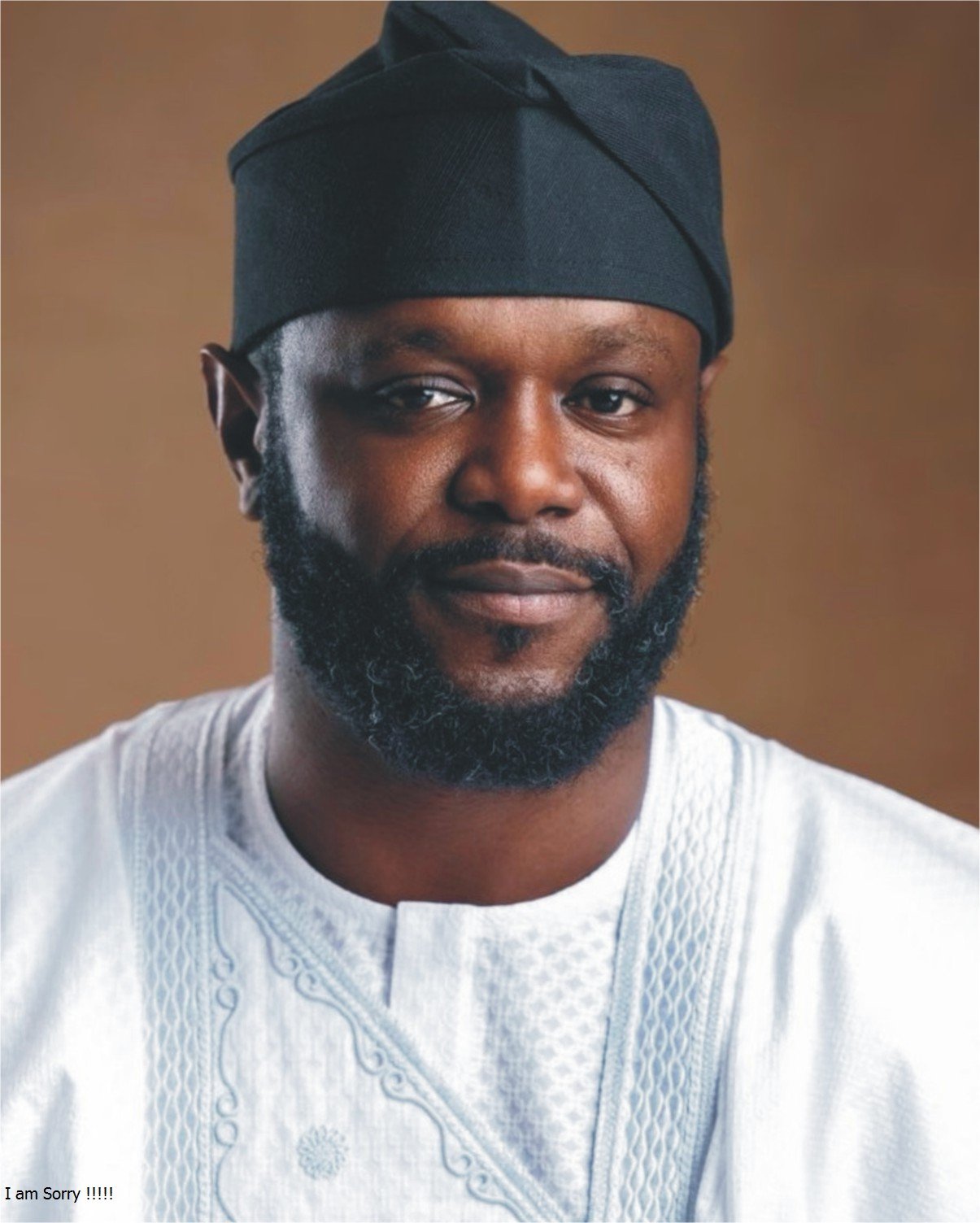
From Youth mobilisation and Grassroots networking to digital outreach and coalition-building, Seyi Tinubu is fast emerging as an increasingly visible figure around the President’s 2027 political project. As Nigeria moves deeper into the 2027 election cycle, his name is increasingly difficult to ignore around the political mobilisation for President Bola Ahmed Tinubu’s re-election.
Unlike his father, Seyi Tinubu does not currently occupy a government position. Yet his activities, relationships and growing engagement with young Nigerians have placed him increasingly within the political conversation surrounding the President’s second-term bid. The significance of Seyi’s role appears to be that of a political bridge-builder, youth mobiliser, networker and informal advocate for the Tinubu administration. That role could become increasingly important as the President faces a forthcoming election in which Youth sentiment, economic hardship, social media narratives and opposition mobilisation will all matter.
Recent reports have specifically linked Seyi with efforts to strengthen youth mobilisation ahead of 2027. Last month, APC chieftain Senator Abdulaziz Yari and Seyi Tinubu were reported to have been working on strategies to deepen youth engagement, grassroots networks and social-media mobilisation in support of the APC and President Tinubu. If there is one constituency that Seyi Tinubu appears particularly positioned to engage, it is Nigeria’s youthful population. This is strategically important. The 2027 election will be fought in an environment in which younger voters are highly active online, increasingly politically conscious and deeply concerned about jobs, inflation, entrepreneurship, education and opportunities.
President Tinubu’s government has consequently made Youth-oriented programmes and empowerment part of its political messaging. The Presidency has repeatedly presented young Nigerians as central to its development agenda. Seyi’s advantage is that he can communicate with some of these audiences in a different language from traditional politicians. He belongs to a younger generation. He is active around entrepreneurs, entertainers, creatives, young professionals and social-media communities.
That gives him access to constituencies that older politicians sometimes struggle to reach. And this is where his political value to his father lies. One of the most visible platforms associated with the pro-Tinubu youth mobilisation effort is the City Boy Movement.
The organisation describes itself as a youth-driven, urban-focused platform supporting the Renewed Hope Agenda and promoting awareness of the Tinubu administration’s programmes. Its importance goes beyond rallies. Modern political campaigns are increasingly fought on several fronts simultaneously: physical grassroots mobilisation; social media; influencers; community organisations; young entrepreneurs; entertainment personalities; professional networks; online political commentators.
A movement such as City Boy provides a structure through which the administration’s message can be taken outside conventional political party channels. This could be particularly useful for Tinubu because the President’s biggest challenge is not simply convincing committed APC voters. It is convincing Nigerians who are undecided, young voters who are frustrated by economic conditions and voters who supported the opposition in 2023.
Another interesting dimension of Seyi’s political activities is his relationships outside the South-West. He has been described as a “fixer and bridge builder,” particularly in the North. That is significant. President Tinubu’s 2023 victory was built around a complicated national coalition. For 2027, maintaining that coalition will require more than the President’s traditional political base. Seyi’s generation of political networking is different from the old-style party structure. He can move between businessmen, young politicians, entertainers, social influencers, community leaders and political actors. That network can potentially complement the formal APC machinery.
Over the last 3 years he has been helping to sell The TINUBU story to a new generation. The President’s greatest political challenge in 2027 may ultimately be Communication. Tinubu’s economic reforms have produced arguments on both sides. The government points to increased revenues, reforms, investment confidence and changes in economic management. Opponents point to inflation, the cost of living, unemployment, insecurity and declining purchasing power. This is where Seyi’s role could become important. He can help present the government’s achievements in a language that younger Nigerians understand. Rather than leaving the government’s message entirely to ministers and traditional politicians, youth-oriented political platforms can package the administration’s record through short videos, social media campaigns, town-hall engagements, testimonials and grassroots activities.
That is modern political communication. There is another element that should not be underestimated. Seyi provides a younger and more informal face of the Tinubu family. President Tinubu is an experienced political veteran whose career stretches back decades. Seyi belongs to a generation much closer in age to many of the young voters the administration needs to persuade. His philanthropic and youth-oriented activities have also helped create a public profile separate from his father’s office. Reports have highlighted his involvement in youth empowerment and support for young Nigerians, while organisations representing young people have publicly praised aspects of that engagement. Supporters therefore see him as someone who can communicate the Tinubu family’s message beyond government circles.
President Tinubu needs 3 broad things to win re-election: First, he needs the traditional APC political structure. This includes governors, legislators, party leaders, local government structures and ward-level mobilisation. Second, he needs cross-party alliances. The 2027 opposition field has become fragmented, while former opposition politicians and political groups have continued to move into or toward the President’s camp. Tinubu has consolidated substantial political strength, with defections leaving the APC controlling 31 of Nigeria’s 36 governorships. Third, he needs a new generation of voters. That is where Seyi becomes particularly relevant. His political network can potentially complement the traditional party machine.
The recent collaboration between Seyi Tinubu and Senator Abdulaziz Yari is particularly noteworthy. Yari brings something Seyi does not possess: extensive experience in conventional Nigerian political organisation, particularly from his years as a governor and senior APC figure. Seyi brings access to younger networks, entrepreneurs, social-media communities and urban youth.
Their collaboration therefore combines old-school political structure with new-school mobilisation. Recently, Yari specifically praised Seyi’s role in youth engagement and said the strategy was designed to strengthen the administration’s grassroots visibility as 2027 approaches.
That partnership could become more significant as the campaign progresses. Perhaps the most accurate description of Seyi’s current political importance is that of a networker operating outside formal government office. He does not need to be a minister. He does not need to hold elective office. He does not necessarily need to sit at the head of the official campaign organisation. His value may lie in the relationships he is able to build. A modern presidential campaign is an ecosystem.
There are formal campaign committees, political parties, governors and legislators. But there are also influencers, business leaders, entertainers, youth groups, professional associations, online communities and grassroots organisations. Seyi operates heavily in the latter space. The 2027 presidential election will almost certainly be one of Nigeria’s most intense social-media elections. The battle will not simply be about rallies. It will be about narratives. Who controls the conversation on TikTok? Who dominates X? Who produces the most compelling videos? Who can mobilise WhatsApp networks? Who can influence first-time voters? Who can respond fastest when opposition narratives go viral? The recent youth-mobilisation strategy associated with Seyi and Yari specifically identifies social media as an important channel for promoting the APC’s message. That is a major departure from traditional campaign methods.
But the biggest questions is: Can he deliver the Youth Vote to his father? No individual can “deliver” Nigeria’s Youth vote. Young Nigerians are not a single political bloc. They voted differently in 2023 and will do so again in 2027. Peter Obi demonstrated in 2023 that younger voters could become a formidable political constituency. The opposition will again attempt to appeal strongly to them.
