

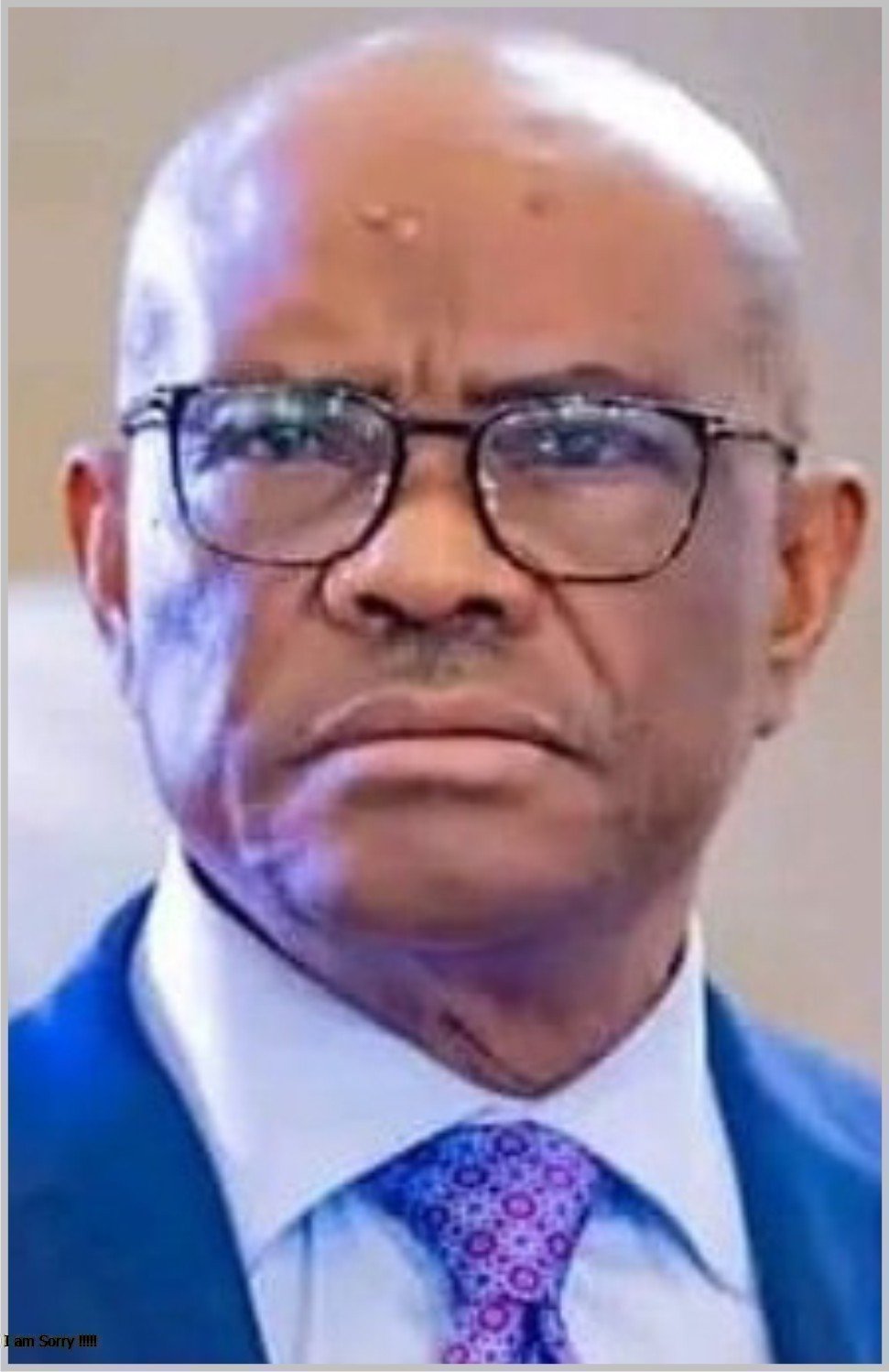
Many people have written off the PDP. They believe the party is dead. They believe nothing good can come out of it.
But there are a few PDP chieftains who believe there is still hope. They haven’t given up on the party.
Are you one of those wondering what will happen to the PDP in the next few months? We can tell you. Many chieftains of the PDP say things are looking bright for the party, especially with last Friday’s 30th January judgement where in Justice Uche Agomoh of the Federal High Court sitting in Ibadan nullified the PDP national convention held in Ibadan Oyo State on 15th & 16th November, 2025.
But the Kabiru Turaki (SAN) faction of the PDP who took the case to court in the first instance is unhappy. In its release, Turaki said for clarity, our party approached the court to seek an Order compelling INEC to recognise the Ibadan Convention and enable formal engagement with the commission.
“During the proceeding, some former member-who had previously been expelled-were joined and opposed our appliation. While we respect the court, it is important to state that the judgement declined our request on the basis that granting it would amount to sitting on appeal over decision of courts of equal jurisdiction.
“More concerning, however is that the court went further to grant reliefs that were not sought by any of the parties and which clearly conflict with existing judgements of courts of co-ordinate jurisdiction”.
“In line with due process and our firm belief in the Rule of Law, we have filed a Notice of Appeal & a motion for Stay of Execution”.
“Let me be absolutely clear: The National Working Committee produced by the Ibadan Convention remains legally intact, firmly in place, and fully focused on the ongoing rebirth and repositioning of our great part. I urge all PDP members nationwide to remain calm, focused and resolute. There is no cause for alarm. What we are witnessing is simply one of the legal bends on a long journey-and the destination remains clear. The REBIRTH of the PDP is on cause.”
But the Wike faction is happy with the judgement and it has scheduled a series of meetings for Abuja next week.
Less we forget lets quickly tell you that the PDP (People’s Democratic Party) is one of Nigeria’s major political parties. Founded in 1998, it’s played a significant role in the country’s politics, producing notable leaders
But truth be toll, the PDP is facing challenges, including internal conflicts and electoral setbacks.
What is happening to the PDP now?
The PDP is currently facing internal conflicts and defections, with several high-profile members leaving the party, Governor Seyi Makinde assured that he’s staying, despite others leaving for the APC.
The party is also dealing with court cases and disputes over leadership, with the National Chairman, Umar Damagun, vowing to reclaim the party’s status as Africa’s largest political party.
The party is also dealing with leadership disputes, with rival factions suspending each other and claiming legitimacy.
The party’s national leadership is also divided, with the acting National Chairman, Umar Damagum, and National Secretary, Sam Anyanwu, at odds. The Independent National Electoral Commission (INEC) has held meetings with the 2 PDP factions to address disputes ahead of the 2027 elections.
What is the implication of a fractured PDP?
Insiders say a fractured PDP could significantly impact Nigeria’s political landscape. Possible implications include:
APC’s gain: Defecting PDP members could strengthen the ruling APC, potentially solidifying its grip on power.
Weakened opposition: A divided PDP might struggle to mount effective opposition, affecting checks on the APC-led government.
2027 elections: The PDP’s internal conflicts could influence the outcome, potentially altering the presidential and gubernatorial races.
Regional realignment: Defections might shift regional power dynamics, impacting local politics and development.
Political analysts say the PDP’s ability to resolve internal conflicts and present a united front will be crucial in determining its future influence.
Can the internal conflicts be resolved?
The PDP’s internal conflicts seem to be resolving, thanks to the efforts of the National Reconciliation and Strategy Committee led by Dr. Abubakar Bukola Saraki. The committee’s approach has been to prioritize dialogue, inclusion, and compromise, which has helped to ease tensions and bring warring factions together .
Some key steps taken include:
Confirming Ambassador Umar Damagun as substantive chairman until the next convention.
Zoning Arrangements: Discussing the zoning of key positions, including the presidential ticket, to ensure balance and fairness.
Court Case Withdrawals: Encouraging parties to withdraw pending court cases to prevent destabilization.
While progress has been made, challenges persist.
However, party leaders are optimistic about resolving these issues and presenting a united front for the 2027 elections.
How strong is the PDP?
Observers say the PDP is showing signs of stability after a period of internal conflicts and defections. A recent court ruling dismissed a suit challenging the party’s leadership, which has boosted confidence in the PDP’s institutional strength. The party also established a National Reconciliation and Strategy Committee led by former Senate President Dr. Abubakar Bukola Saraki to resolve internal disputes and unite key stakeholders.
What are the development?
Leadership Confirmation: Ambassador Umar Damagun has been confirmed as substantive Chairman until the next Convention.
Reconciliation Efforts: The party is engaging in dialogue and consensus-building to address grievances.
2027 Elections: The PDP is focused on rebuilding and strengthening its structure ahead of the elections.
Despite progress, challenges persist, including disagreements over leadership positions and zoning arrangements. Some members have defected to other parties, citing internal squabbles and lack of faith in the PDP’s leadership.
So, what is the PDPs plan for the 2027 election?
The PDP’s plan for the 2027 election is to field a strong candidate from the South, as they’ve zoned their presidential ticket to the region. This decision was made during the party’s 102nd National Executive Committee meeting, aiming to unite the party and guarantee victory in the 2027 presidential election.
The PDP is engaging in deep consultations to identify a unifying candidate who can bridge internal divisions and challenge the ruling All Progressives Congress (APC) in 2027. The party’s immediate priority is the successful conduct of its national convention, where new national officers will be elected.
Right now there are 2 factions in PDP.
The PDP is currently experiencing internal conflicts, with 2 main factions emerging. The factions are contesting the legitimacy of the party’s leadership, with some members questioning Damagun’s appointment.
There’s disagreement over the zoning of key positions, including the presidential ticket, which has been zoned to the South for the 2027 elections.
Several high-profile members have defected to other parties, including the ruling All Progressives Congress (APC).
The PDP’s internal conflicts have raised concerns about the party’s ability to present a united front ahead of the 2027 elections.
Can both factions reconcile?
The PDP factions seem to be moving towards reconciliation, with efforts led by the National Reconciliation and Strategy Committee. The party’s leadership, including National Chairman Kabiru Tanimu Turaki, has emphasized the need for unity and reconciliation ahead of the 2027 elections.
Stakeholders have held meetings to address internal conflicts and strengthen party unity.
Committees have been established to engage aggrieved members and foster unity.
While progress has been made, challenges persist, including disagreements over leadership positions and zoning arrangements. The PDP’s ability to resolve these issues will be crucial in determining its future influence.
But there are some PDP members that say they are not decamping.
The PDP has acknowledged the defections but vows to remain strong, attributing the moves to coercion and intimidation by the ruling APC.
The PDP’s internal conflicts and defections have significant implications for the party’s future. With several high-profile members leaving for the APC, the PDP now controls only 4 states, down from 16 in 2015. The party’s Senate representation has also declined from 36 members to 23.
Some key implications include:
Weakened Opposition: The PDP’s reduced presence in states and the Senate weakens its ability to provide effective opposition to the ruling APC.
2027 Elections: The defections may impact the PDP’s chances in the 2027 elections, making it harder for the party to reclaim power.
Leadership Challenges: The PDP faces internal leadership disputes, with some members questioning the legitimacy of the current leadership.
The PDP is attempting to reconcile and reposition itself for the 2027 elections, with efforts led by National Chairman Tanimu Turaki and former Vice President Namadi Sambo.
Will the PDP be able to field candidates for 2027?
The PDP is gearing up for the 2027 elections, with its presidential ticket zoned to the South. This has sparked interest in potential candidates.
Despite internal conflicts and defections, PDP officials remain optimistic about fielding strong candidates.
