

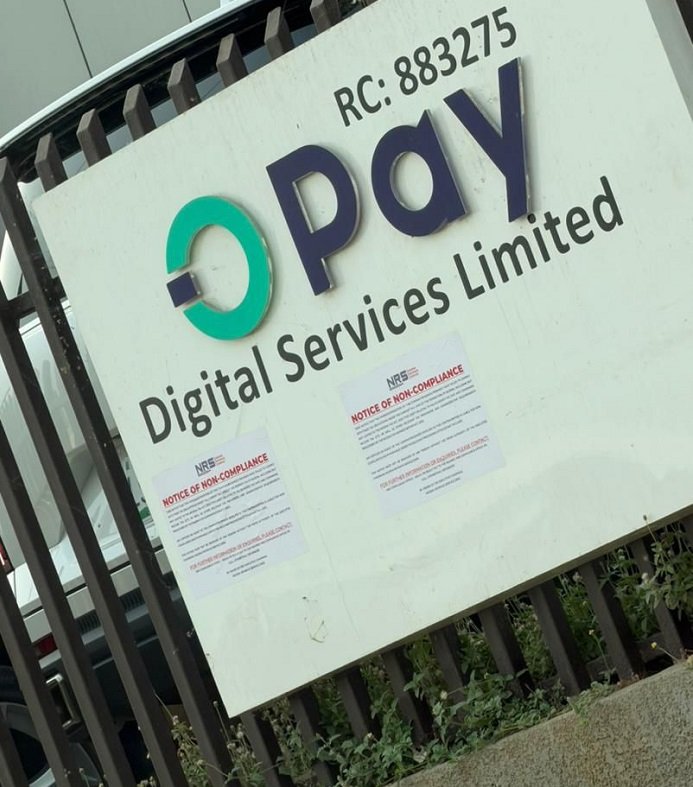
Nigeria’s Federal Inland Revenue Service (FIRS) has reportedly sealed the Lagos and Abuja offices of OPay over alleged violations of the Nigeria Tax Act 2025, particularly issues related to Value Added Tax (VAT) and Companies Income Tax (CIT).
The enforcement action reportedly affected OPay’s offices in Lagos and Abuja, where officials of the tax agency placed notices sealing the premises. The notices warned that the seals must not be removed without the authorisation of the Executive Chairman of the FIRS, indicating an ongoing compliance dispute between the fintech company and Nigerian tax authorities.
OPay, a Chinese-backed fintech platform that entered the Nigerian market in 2018, has grown rapidly and become one of the country’s most widely used digital payment services. However, the recent enforcement move has raised broader questions about the operations of foreign technology platforms within Nigeria’s expanding digital economy.
Public policy analyst Emmanuel Adeniyi, Executive Director of the Coalition for Indigenous Digital Advancement, said the situation reflects a common regulatory pattern involving foreign tech platforms.
“The playbook is consistent. You see rapid market penetration, then a very long period of resistance whenever regulators ask questions about where money is going and who it is ultimately serving,” he said.
The development comes as governments globally increase scrutiny of international technology companies. In the United States, concerns about the ownership and data practices of TikTok prompted regulatory pressure during the administration of former President Donald Trump.
In Nigeria, regulators are also paying closer attention to how foreign digital platforms operate within the country’s financial and data ecosystems.
As investigations and regulatory actions continue, users and industry observers will be watching closely to see how the situation unfolds and what it could mean for the future of Nigeria’s digital payments landscape.
