

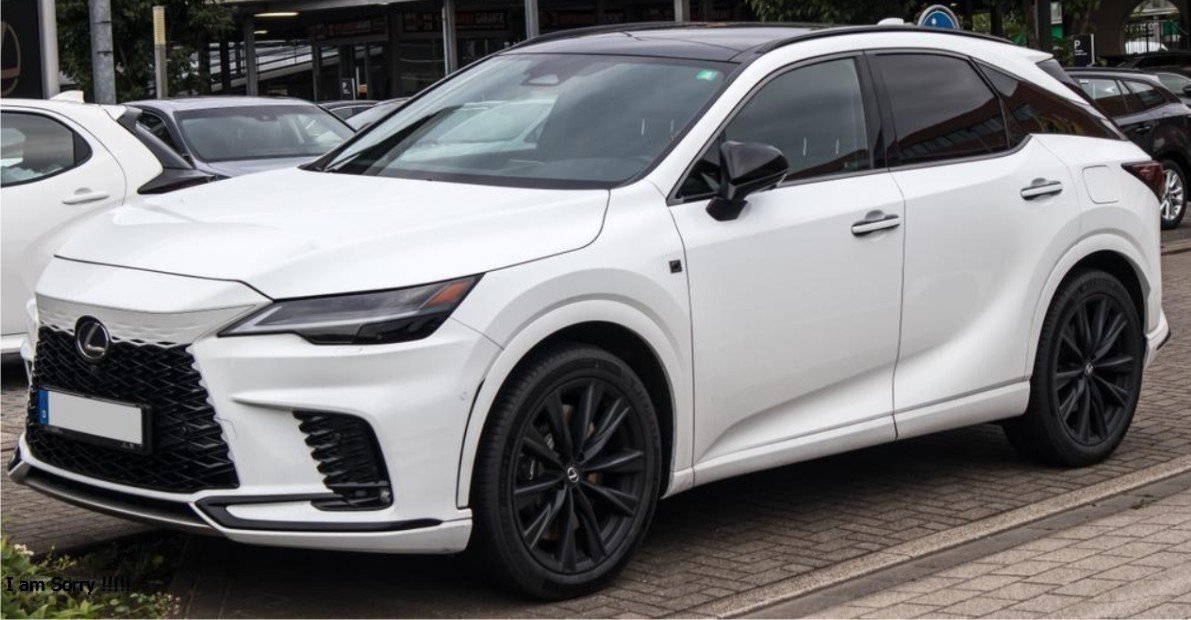
The sight of luxury sport utility vehicles moving through the streets of Lagos, Abuja, Port Harcourt and other major Nigerian cities has become increasingly common. Among these luxury vehicles, one brand stands out more than most — Lexus. From top business executives to successful entrepreneurs and young professionals seeking prestige, Lexus SUVs have become a dominant presence on Nigerian roads.
Over the past decade, the popularity of Lexus SUVs has grown significantly across Nigeria. Models such as the Lexus RX, Lexus GX, Lexus LX and Lexus NX are now familiar sights in corporate offices, residential estates and social gatherings, reinforcing the belief that the brand has firmly established itself among Nigeria’s most admired luxury vehicles.
Industry observers say the rise of Lexus SUVs in Nigeria is not accidental. It is the result of decades of brand development, a reputation for reliability and the increasing appetite among Nigerians for luxury vehicles that can also handle local road conditions. Many motorists often say that when comfort, durability and prestige are discussed together, Lexus naturally enters the conversation.
The story of Lexus itself began in Japan in the early 1980s. The brand was created by the global automobile giant Toyota Motor Corporation as part of a strategy to compete with luxury car brands such as Mercedes-Benz, BMW and Audi. Toyota wanted to prove that a Japanese manufacturer could build vehicles that matched or even surpassed the quality of established European luxury automobiles.
In 1983, Toyota chairman Eiji Toyoda approved a secret project known internally as the F1 Project. Engineers were tasked with building a luxury vehicle that would rival the best cars in the world. Thousands of engineers and technicians worked tirelessly on the project for several years, designing prototypes and testing vehicles under different road and climate conditions across the globe.
The brand officially debuted in 1989 with the launch of the Lexus LS 400. The vehicle quickly gained international attention for its quiet engine, refined design and technological innovations. Its success helped establish Lexus as a major luxury automobile brand worldwide and laid the foundation for the company’s future expansion into different vehicle categories.
As global demand for sport utility vehicles began to grow in the late 1990s, Lexus expanded into the SUV market. One of the brand’s biggest breakthroughs came with the introduction of the RX series. Early models such as the Lexus RX 300 and later the Lexus RX 350 became extremely popular in many parts of the world because they combined the comfort of luxury sedans with the strength and height of sport utility vehicles.
Although Lexus vehicles had been available internationally since the late 1980s, they began appearing in Nigeria in noticeable numbers in the early 2000s through automobile importers bringing foreign-used vehicles from the United States and Europe. These vehicles, popularly called “Tokunbo,” gradually found their way into Nigerian cities and quickly attracted attention among motorists who were looking for luxury vehicles that could withstand the country’s road conditions.
Over time, the brand built a strong reputation among Nigerian motorists. Many drivers discovered that Lexus vehicles could withstand long-distance travel and difficult road conditions while still providing luxury comfort. Mechanics also began recommending the vehicles because of their reliability and because their engineering shared similarities with Toyota models that many technicians were already familiar with.
In recent years, Lexus SUVs have become especially popular across Nigeria. In areas such as Ikeja, Lekki, Victoria Island and Abuja’s Maitama district, it is common to see several Lexus SUVs parked outside offices, shopping centers and residential homes, an indication of how widely accepted the vehicles have become among professionals and business owners.

Importers who bring vehicles into Nigeria say the demand has grown rapidly in the last decade, with many customers already placing requests before shipments even arrive at the ports. One Lagos-based vehicle importer explained the trend clearly, saying, “Many of our customers specifically request Lexus SUVs before any other luxury vehicle. Once we bring in models like the RX350 or GX460, they are usually sold within a short time because people already placed orders before the shipment arrived.”
According to importers, many buyers prefer Lexus vehicles produced between 2010 and 2022 because they combine modern design with more affordable prices compared with brand-new models. These vehicles offer many advanced features yet remain within the financial reach of many successful professionals and entrepreneurs.
Importers also note that clearing luxury SUVs at Nigerian ports can be expensive, but demand remains strong despite these costs. Another importer noted, “Even with the high clearing costs at the ports, customers still go for Lexus. They believe the vehicle will last longer and they won’t spend too much on repairs compared to some European brands.”
Car dealers across Lagos and Abuja also confirm that Lexus SUVs are among the fastest-selling luxury vehicles in their showrooms. Dealers often point to the brand’s reputation for reliability as one of the main reasons behind its popularity. One dealer in Lagos explained, “When a customer walks into our showroom looking for a luxury SUV, the first brand we usually recommend is Lexus because it has a strong reputation for durability. Most mechanics in Nigeria understand the vehicle very well, so maintenance is easier.”
Another dealer explained that prestige also plays an important role in attracting buyers to the brand. According to him, “Driving a Lexus SUV in Nigeria carries a certain level of respect. People see it as a symbol of success, especially when it is a clean RX or GX model.”
For many Nigerian buyers, purchasing a Lexus SUV is not just about transportation. It is also about lifestyle, comfort and social recognition. Many buyers say they prefer Lexus SUVs because they believe the vehicles last longer than many competing luxury brands.
One Lagos-based business owner who recently purchased an RX350 shared his experience, saying, “I chose Lexus because I wanted something luxurious but also reliable. Some of my friends drive European cars, but they complain about maintenance costs. With Lexus, I feel more confident about durability.”
Another buyer in Abuja explained that resale value influenced his decision when purchasing a vehicle. According to him, “One thing about Lexus is that you can still sell it after many years and get a good price. That was one of the reasons I bought the GX.”
Statistically, the SUV market in Nigeria has grown significantly over the past decade as more drivers prefer vehicles that can handle both urban roads and difficult terrain. Within this competitive market, Lexus SUVs compete with vehicles such as the Mercedes-Benz GLK, Toyota Highlander and BMW X5.
However, dealers say Lexus SUVs often outsell many of these competitors in Nigeria because of their reputation for reliability and lower maintenance costs. Many motorists believe the vehicles offer a unique combination of luxury and durability that is particularly suitable for Nigerian conditions.
Among all Lexus SUVs, the RX series remains the most widely owned in Nigeria. Many analysts estimate that a significant percentage of Lexus vehicles on Nigerian roads belong to the RX family, making it one of the most recognizable luxury SUVs in the country.
The GX series is also highly respected because of its strong off-road capability. Many executives and contractors who travel outside major cities prefer the GX because it performs well on rough roads and long-distance journeys.
The LX series represents the top end of the Lexus SUV range. Because of its size, power and luxury features, it is often associated with wealthy entrepreneurs, politicians and senior government officials.
The NX series, which is smaller and more modern in design, has also gained popularity among younger professionals who want a luxury SUV that is stylish yet practical.
Another trend that has developed in Nigeria is the modification of older Lexus SUVs to resemble newer models. Many owners install modern headlights, bumpers and body kits to upgrade the appearance of their vehicles, creating a thriving aftermarket industry that focuses largely on Lexus vehicle upgrades.
Automobile analysts believe Lexus SUVs will remain highly popular in Nigeria for many years to come. The country’s growing middle class, combined with a strong cultural preference for SUVs, means demand is likely to remain strong in the foreseeable future.
Road conditions in many parts of Nigeria also make SUVs more practical than smaller cars, further increasing the appeal of Lexus vehicles among motorists who want comfort, durability and prestige in one package.
From its beginnings as an ambitious engineering project within Toyota to its present status as one of the most respected luxury automobile brands in the world, Lexus has built a reputation based on reliability, comfort and innovation.
In Nigeria, that reputation has translated into growing demand for the brand’s SUVs. Importers continue bringing them into the country, dealers report strong sales, and buyers remain convinced that Lexus vehicles offer a combination of luxury and durability that few brands can match.
As one dealer in Lagos summed it up, “Once someone buys a Lexus SUV and enjoys the experience, the next vehicle they want is usually another Lexus. That is how the brand has built such strong loyalty among Nigerian drivers.”
By Benprince Ezeh
