

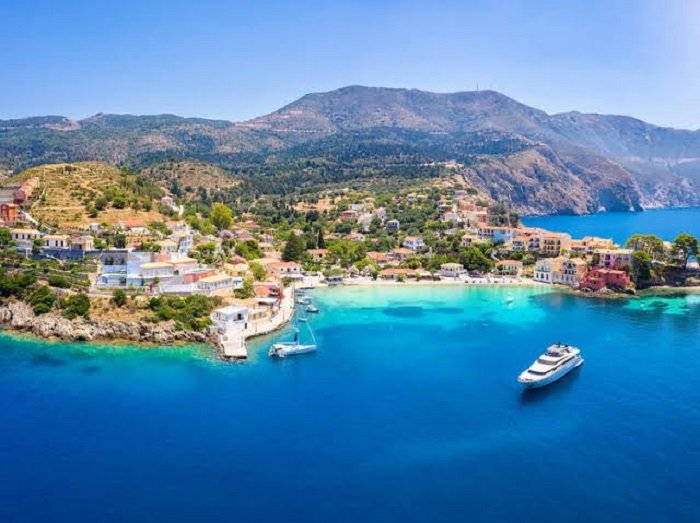
Greece packs three distinct experiences into one country: ancient ruins that rewrite your sense of history, whitewashed island villages that look staged but aren’t, and a food culture built around long, unhurried meals. For a first visit, the sheer number of options can be overwhelming — Athens or the islands first? Ferry or flight? This guide breaks down the decisions that actually matter so you can spend less time researching and more time eating grilled octopus by the water.
When to Go
May, June, and September are the sweet spot for a first trip. The weather sits comfortably in the high 70s to mid-80s Fahrenheit, the crowds are thinner than peak summer, and hotel prices haven’t hit their July and August peaks. July and August bring temperatures that regularly climb past 95 degrees on the islands, plus ferry terminals and archaeological sites packed shoulder to shoulder.
Shoulder season also means better availability for popular spots like Oia in Santorini, where sunset viewing areas fill up fast in summer. If flexibility allows, aim for the last two weeks of May or the third week of September for the best mix of good weather and manageable crowds.
Athens First, Then the Islands
Most first-time visitors fly into Athens, and that’s the right call even if the islands are the main draw. Spending two to three days in Athens lets you see the Acropolis, the Ancient Agora, and the National Archaeological Museum before heading somewhere more relaxed. Skipping Athens entirely means missing the historical context that makes the rest of the trip click into place.
After Athens, pick one or two islands rather than trying to hop between five. Santorini and Mykonos get the most attention, but Naxos and Paros offer similar scenery with fewer crowds and lower prices. A common mistake is overpacking the itinerary with island transfers that eat up entire travel days.
Getting Around
Ferries connect the islands, and booking through Ferryhopper or Blue Star Ferries in advance saves money and guarantees a seat during busy months. High-speed ferries cut travel time roughly in half compared to conventional ones, though they cost more and can cancel in rough seas. Flying between Athens and the islands takes about 45 minutes and is often cheaper than expected, especially on routes to Santorini or Mykonos.
Within cities and towns, walking is usually the best option since many historic centres are pedestrian-only. Renting a car makes sense on larger islands like Crete or Naxos, where beaches and villages are spread out.
Planning for Groups
Greece works well for larger group travel, not just solo trips or couples’ getaways. Educational tour operators have built entire itineraries around the country’s historical sites, and school trips to Greece are a popular option because the country offers so much hands-on history where students can stand in the actual ruins they’ve read about in textbooks. If organising travel for a class or larger family group, look for operators who handle site entry tickets and group transport in advance, since popular locations like the Acropolis limit daily visitor numbers.
Money and Costs
Greece uses the euro, and a moderate daily budget for food, local transport, and activities runs about 70 to 100 euros per person outside of Athens hotel costs. Credit cards are widely accepted in cities and larger islands, but smaller tavernas and shops on remote islands often prefer cash. ATMs are common, though it’s worth withdrawing larger amounts less frequently to avoid repeated fees.
Tipping isn’t mandatory but is appreciated — rounding up the bill or leaving 5 to 10 per cent at restaurants is standard practice.
Food and Dining Customs
Meals in Greece move slower than in many other countries, and servers generally won’t bring the check until asked. Lunch tends to happen after 1 p.m., and dinner rarely starts before 8 p.m., so adjusting meal timing helps avoid empty restaurants or awkward early arrivals. Ordering several small plates to share, rather than one entrée per person, mirrors how locals actually eat.
Look for tavernas without English menus or photos of food — these are usually more traditional and better priced than restaurants near major tourist sites.
What to Pack
Comfortable walking shoes matter more than anything else, since ancient sites involve uneven marble paths and steep inclines. A light scarf or cover-up is useful for visiting churches and monasteries, many of which require covered shoulders and knees. Sunscreen and a reusable water bottle are essential from May through September, when the sun is intense even on cloudy days.
Making the Trip Work for You
The biggest planning mistake first-time visitors make isn’t picking the wrong island or missing a site — it’s trying to see too much in too little time. Greece rewards slower travel: a few unhurried days in Athens, a ferry ride instead of a rushed flight, one long dinner instead of three quick ones. Build in extra time between destinations, and the trip will feel far less like a checklist and far more like the reason people keep coming back.
