

-
To Replace Sachet Gin Drinks
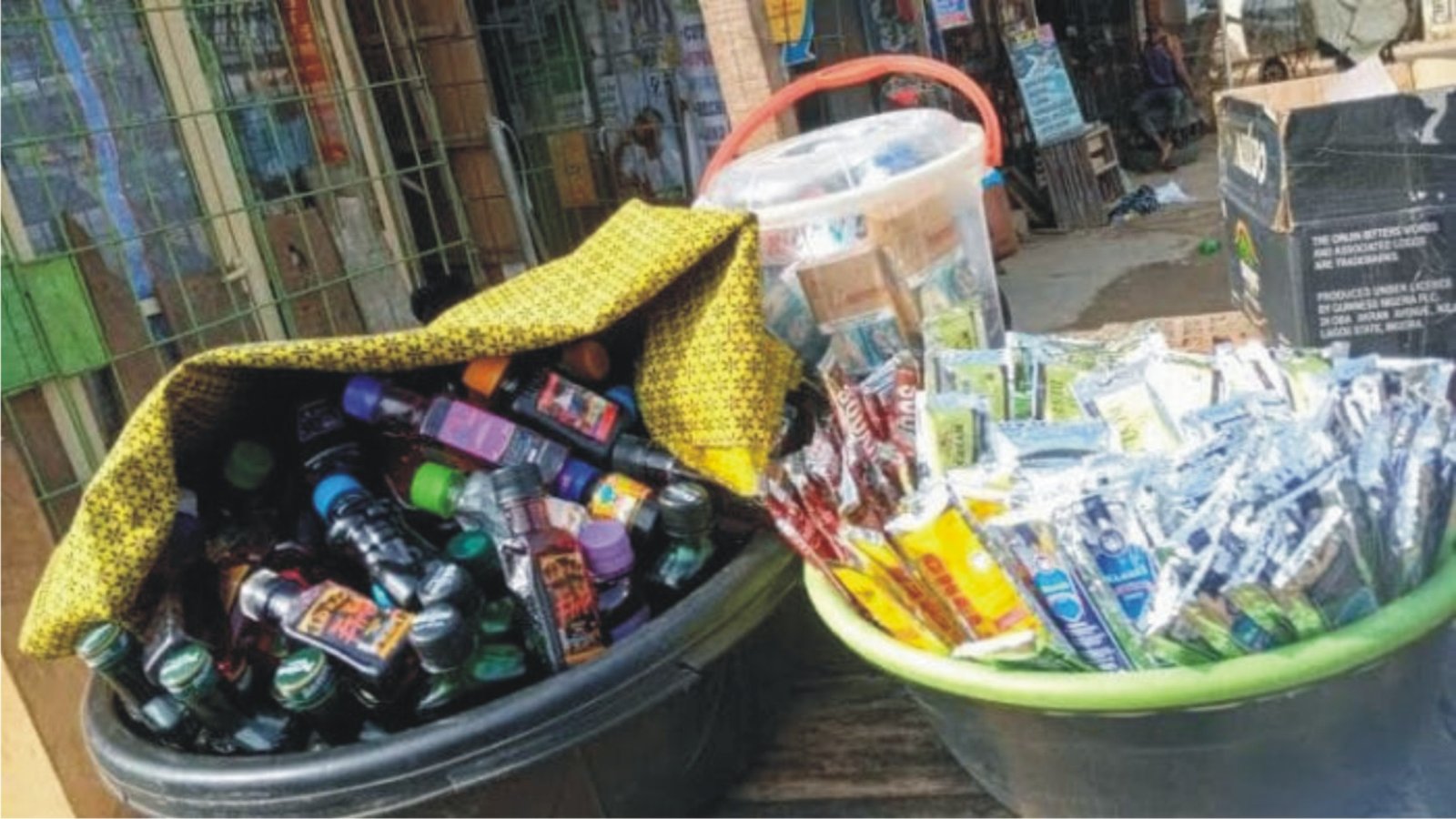
Across parks, roadside stalls, motor parks, markets and small bars in different parts of Nigeria, a quiet but significant change is taking place in the way people buy and consume spirits. For decades, sachet gin and other alcohol packaged in tiny pouches and very small bottles dominated the market because they were cheap, portable and easy to buy anywhere. Now, bottled gin drinks are gradually taking their place as government regulations, economic concerns and changing consumer habits reshape the country’s alcohol market.
Sachet gin was for a long time the drink of choice for many Nigerians. Its affordability and convenience made it a staple for low-income earners, commercial drivers, young adults, and students. People could buy it, tear it open, drink quickly, and dispose of the sachet. Its low cost meant you could purchase multiple sachets for the price of one bottle. But that convenience came with growing concerns. Health professionals, civil society groups and lawmakers warned that “sachet alcohol encourages underage drinking, addiction, reckless driving, and family conflicts,” according to a spokesperson from the National Youth Health Coalition. Rising cases of alcohol-related accidents, domestic violence, and public disturbances have often been linked to the easy availability of cheap sachets.
The National Agency for Food and Drug Administration and Control, NAFDAC, took action in response to these concerns. The agency announced that “the production and sale of alcoholic beverages in sachets and bottles below 200 millilitres will be banned nationwide from December 31, 2025,” a NAFDAC official told journalists. “Our goal is to protect public health, especially among children and young adults, by reducing access to highly concentrated alcohol that is cheap and easy to hide. Enforcement will begin in January 2026, and we are working closely with security agencies to ensure compliance.” The official added, “We are not trying to punish anyone. The aim is to ensure that Nigerians consume alcohol responsibly and safely.”
Not everyone welcomed the move. The Manufacturers Association of Nigeria, MAN, warned that the ban could have devastating economic consequences. Director-General Segun Ajayi-Kadir said, “This decision, if implemented without consultation, could lead to the loss of over N1.9 trillion in investments and put hundreds of thousands of Nigerians out of work. Manufacturers and their employees rely on sachet production for livelihoods, and removing it abruptly would be devastating.” He added, “Sachet packaging was created to serve low-income consumers legally. An outright ban denies people choice and may push them towards illicit, unsafe products. This is why we are appealing for a more gradual, consultative approach.”
Labour organisations echoed these concerns. The Food, Beverage and Tobacco Senior Staff Association of Nigeria said, “We are worried about millions of jobs that could be lost if the ban is enforced abruptly. Workers and families need time to adjust.” One union leader added, “Many of our members are employed in production lines and distribution networks for sachets. Shutting down this part of the industry without a transition plan would be catastrophic.” They appealed for gradual implementation, arguing that “economic sustainability must be considered alongside public health objectives. We are not against health regulations, but people’s livelihoods cannot be ignored.”
Government institutions took varied positions. The Senate urged strict enforcement, with a lawmaker noting, “We cannot continue to allow sachet alcohol to fuel addiction, road accidents and social vices among young people. The health of our citizens must come first.” Meanwhile, the House of Representatives called for wider consultation to balance health concerns with economic realities. The Secretary to the Government of the Federation requested clarifications from the Ministry of Health, stating, “We must ensure that all stakeholders are heard before full implementation. The welfare of workers and the impact on small businesses must be considered.”
Amid the policy debates, changes were already visible in the market. Manufacturers began shifting focus to bottled gin products that comply with the new regulations. Bottled gin, typically sold in 200 millilitres and above, is now more common in supermarkets, liquor stores, bars and restaurants. Traders reported increased sales of bottled gin as consumers anticipate the end of sachets. A Lagos-based retailer said, “Customers now ask for bottled gin more than ever. People are aware that sachets will be banned and want to stay on the right side of the law. Even those who used to buy sachets are now making the switch.” Another vendor in Ojuelegba remarked, “We still sell sachets quietly to regular customers, but most of our stock is now bottles. We don’t want to get into trouble with the authorities, and bottles are becoming more popular with our customers anyway.”
Consumers are adjusting as well. A commercial driver in Lagos said, “I used to drink sachets after work because they are cheap, but now I buy bottles. They cost more, but I feel safer drinking them, and I don’t want to risk getting into trouble with NAFDAC.” A student in Ibadan explained, “Sachets were easy to get at bus stops and small kiosks, but I now prefer bottles because I know the alcohol content is standard. It also feels better socially. People are taking bottles more seriously than sachets.”
Bottled gin is changing perceptions of alcohol consumption. Consumers now view it as a safer and more regulated option. A Lagos resident remarked, “I prefer bottles because I know what I am drinking. Sachets were cheap, but you never knew the strength or quality.” Producers are also promoting bottled gin as a premium and responsible choice. A marketing manager at a leading gin company said, “We want customers to see bottled gin as a better, safer and more enjoyable experience. It also helps them moderate their intake. We are introducing new flavours and ready-to-drink options to meet changing tastes.”
Industry insiders say the shift represents an opportunity for innovation. “This is a chance to expand our product lines and improve quality,” said a company executive. “We can now offer bottled products that are safe, regulated and appealing. The public is beginning to appreciate the difference between sachets and bottles.” Bars and restaurants report higher demand for bottled gin, which is easier to display, measure and manage than sachets. Even as sachets continue to circulate discreetly in some parks and local markets, the rise of bottled gin indicates a lasting transformation in Nigeria’s drinking culture.
Some Nigerians support the change for public health reasons. A Lagos commuter said, “Sachets encourage people to drink repeatedly without thinking. Bottles make it obvious how much you are consuming, so it encourages moderation.” Others remain sceptical, arguing that “people who want to drink heavily will find a way, no matter the packaging.” Meanwhile, the government continues to stress that public health is the main goal while also seeking ways to manage economic implications.
The transition is not yet complete. In parts of Lagos, sachets are still quietly sold in parks, motor parks, and roadside stalls. One vendor said, “We know we are not supposed to sell sachets, but customers still ask for them. We keep a few in the back and sell them carefully. Bottles are now the main product we promote.” Rural communities also continue to rely on sachets, although awareness about the ban is increasing. A shop owner in a small town in Ogun State explained, “We have started stocking more bottles, but sachets are still in demand. People know that bottles are the future, but the cheap option is hard to ignore.”
As the January 2026 enforcement deadline approaches, sachet gin is steadily being replaced by bottled alternatives. Big brands and new entrants are expanding their bottled product lines, and promotional materials now focus on bottles rather than sachets.
Consumers who once bought two or three sachets now buy one small bottle instead. Even in motor parks where sachets were almost part of the culture, bottles are increasingly on display while sachets are sold discreetly.
The shift reflects both regulatory compliance and evolving consumer behaviour. As a NAFDAC official explained, “Our aim is to reduce harm from alcohol and encourage responsible drinking. Bottled products give consumers a better understanding of what they are drinking and help reduce misuse.” A MAN representative acknowledged, “We support regulation that promotes health and safety, but we urge gradual implementation so the economy and jobs are not unduly harmed.”
The age of sachet gin, once a dominant part of Nigeria’s informal alcohol economy, is gradually giving way to bottled spirits. The streets still see some sachet sales, but they are handled with caution. Bottled gin, on the other hand, is increasingly visible, widely accepted and actively promoted. How consumers, traders and producers navigate this transition will shape the market, influence public health outcomes and redefine drinking habits in Nigeria for years to come.
By Benprince Ezeh
08068599879
