

There was a time in Lagos when musicians did not just perform; they held court. Icons like King Sunny Adé, Oliver De Coque, Dr. Victor Olaiya, Bobby Benson, Lagbaja, and Fela Kuti built their own venues, cultural fortresses where sound, society and identity converged. They were not merely artists; they were architects of nightlife.
Then the model shifted. Corporate clubs replaced musician-owned spaces. DJs eclipsed bands. Streaming reduced live performance to an optional spectacle. In a city louder than ever, live instrumentation became rarer.
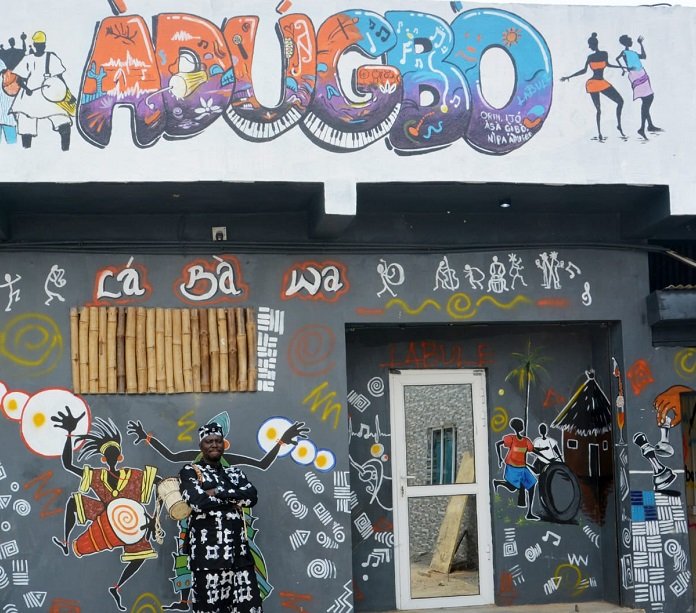
Now, in Aguda, Surulere, LÁBÚLÉ is reviving that tradition. Born Oluwasegun Adekunle, he chose a name that means “village”, root, origin, source. His music, driven by the talking drum and a fusion he calls Highfro, is grounded in culture. But what truly distinguishes him is not just the sound. It is the structure.
With Àdúgbò, meaning neighbourhood, Lábúlé has created a home for his music. Not another generic lounge, but a curated, community-driven live space where the artist is the anchor and the audience participates.
The official opening and maiden live performance of LÁBÚLÉ at Àdúgbò, located at The Duro Event Centre, 8/12 Basiyi Street off Aiyetoro Street, Aguda, Surulere, Lagos, is scheduled for March 27, 2026 — a symbolic date that may mark more than a debut night, but the rebirth of a model.
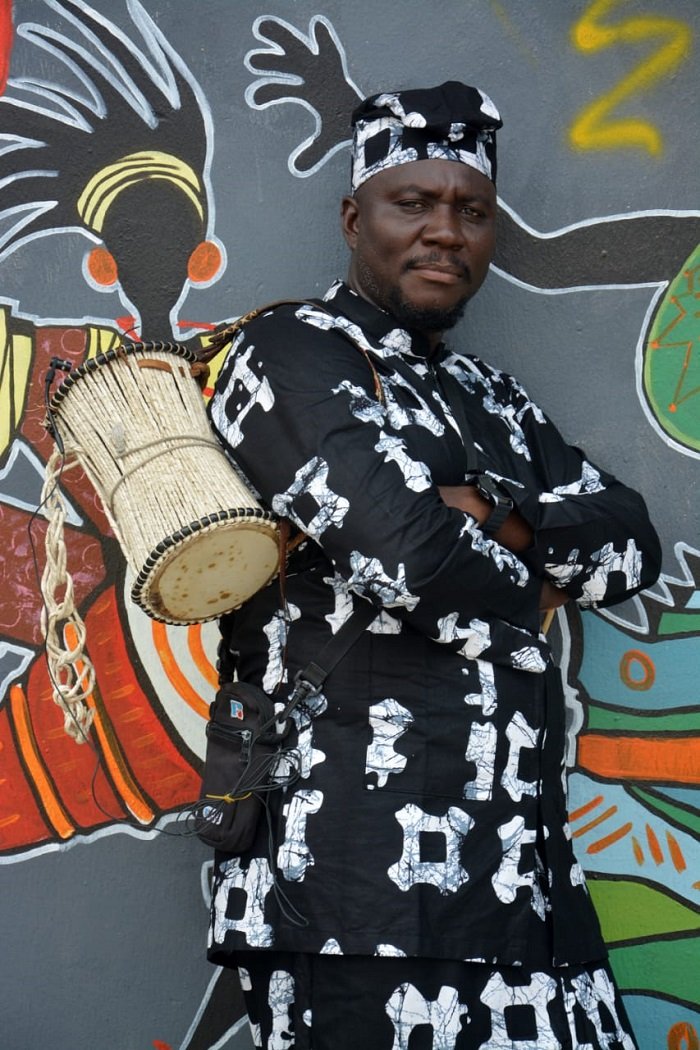
This is more than a venue launch. It is a reclamation of ownership — a return to the era when musicians built stages and invited the city in.
If Ariya and Shrine were the original courts of Lagos music royalty, Àdúgbò may be a contemporary throne room — intimate, rooted and symbolically powerful.
In building Àdúgbò, LÁBÚLÉ is not just releasing songs. He is holding court again — and inviting Lagos to listen.
