

There was a time in Nigeria when appearing on Television was the ultimate definition of fame. If you were on NTA, you were somebody. If you appeared regularly on Africa Magic, you had arrived. If you hosted a show on Soundcity, Channels TV, Silverbird or any of the major television stations, people automatically assumed you were making serious money. Television was where the stars lived. The actors were on television, the presenters were on television, the comedians were on television, the musicians were on television and if you wanted to become famous, you had to find your way onto that screen.
But today, something remarkable has happened. The television screen is no longer the only place where fame lives. In fact, some of the biggest stars in Nigeria today may never have had a regular television show, a prime-time programme or a major role on a traditional TV network. They became famous from their bedrooms, living rooms, cars, streets and sometimes even their bathrooms. All they needed was a smartphone, an internet connection, a ring light and an idea.
Today, a young Nigerian with a few million followers on TikTok, Instagram, YouTube or X can walk into a brand meeting and demand a fee that would make some Television stars sit up. And the most shocking part is that some of these content creators are now making more money than the very celebrities who once looked down on them.
Welcome to the age of the Creator.
There was a time when traditional entertainers did not take online personalities seriously. A skit maker was not regarded as a proper actor. A YouTuber was not regarded as a proper television presenter. A TikToker was seen as somebody simply dancing in front of a camera. A Podcaster was viewed as somebody talking into a microphone in a room. Then the money started coming. Suddenly, the same brands that were spending millions to put famous actors and television presenters in commercials began calling content creators. The same companies that once wanted only familiar television faces started asking for the Instagram handles of the people who were making Nigerians laugh online. The same celebrities who had spent years building traditional careers suddenly began opening YouTube channels, launching podcasts and trying to become influencers. Why? Because they saw the money. And the money was no longer sitting only in television.
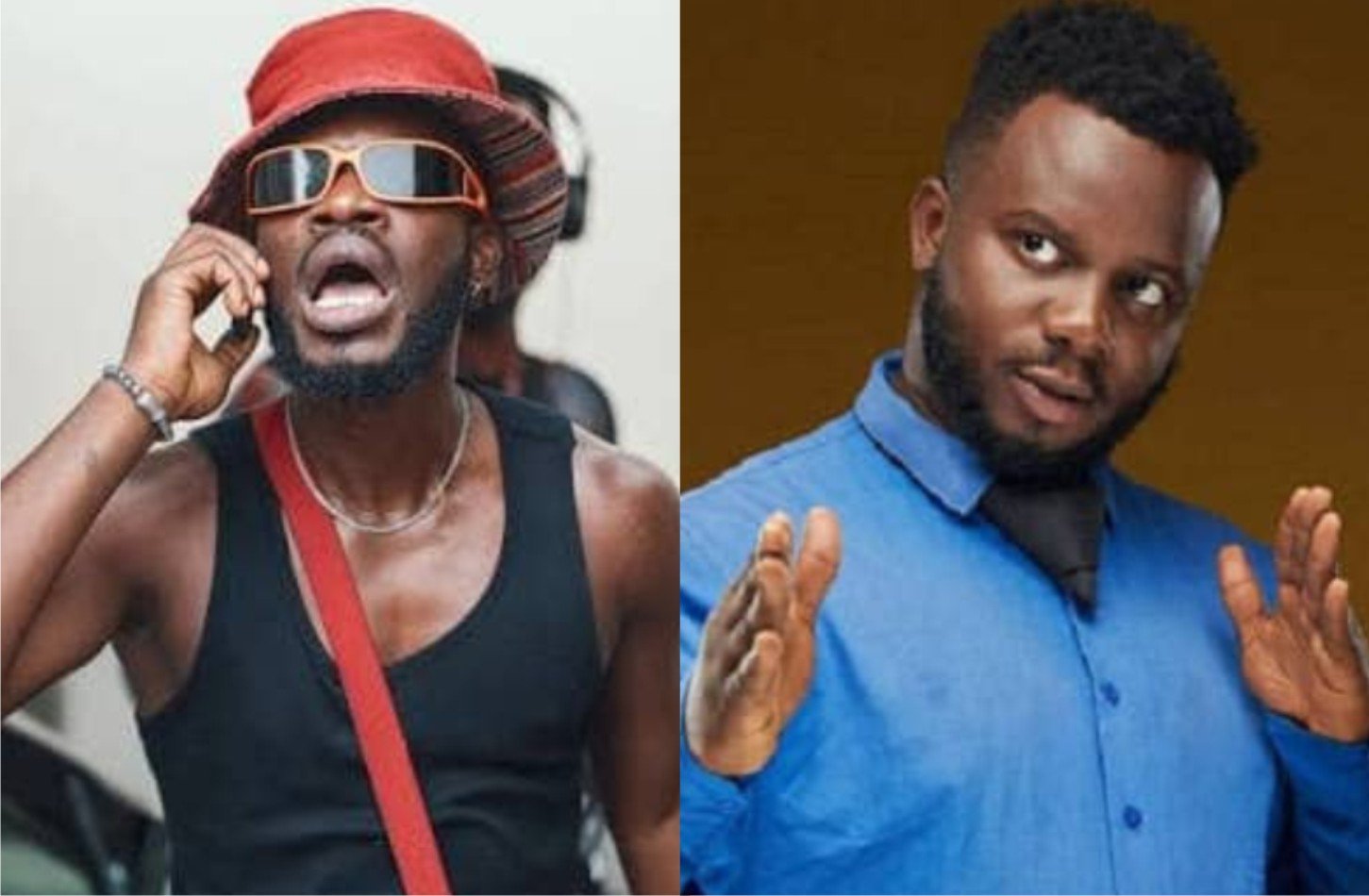
Look at the transformation of Nigerian skit makers. When the likes of Broda Shaggi, Mr Macaroni, Sabinus, Brain Jotter, Lasisi Elenu, Sydney Talker, Carter Efe, Layi Wasabi, Mark Angel and Taaooma began dominating the internet, many people still considered them comedians making short videos.
Today, that description is no longer enough. They are brands. Some have even become actors. Some are musicians. Some have landed major endorsement deals. Some have built production companies. Some have launched businesses. Some have become regular faces at the biggest events in the country. The smartest ones have done something even more important. They have turned their characters into assets. Broda Shaggi is not simply a man making comedy videos. Broda Shaggi is a recognisable character. Sabinus is not simply a comedian. Sabinus is a commercial identity. Mr Macaroni’s “Freaky Freaky” persona became a cultural reference point. Taaooma built an entire comedy universe around the Nigerian family experience. Once a creator becomes recognisable enough, the brand no longer needs to explain who they are. The audience already knows. And that recognition is expensive.
This is where the real money is. Not necessarily in the number of views and not even necessarily in the number of followers. The serious money is in the ability to influence what people buy. A creator with a loyal audience can be more valuable to a brand than a traditional celebrity with a larger but less engaged audience because the creator already has a relationship with the audience. The followers know the creator’s voice. They know the creator’s jokes. They know the creator’s family. They know the creator’s lifestyle. They may even feel like they know the creator personally. So when that creator introduces a product, the advert can feel less like a commercial and more like a recommendation from somebody they trust. This is why brands are increasingly working with creators for campaigns, product launches, social media promotions and influencer marketing. The creator is not just being paid to appear. The creator is being paid to bring an audience. And that is a very different business model.
Imagine a popular content creator making a video for a brand. The creator may get paid for the production. The creator may get paid for posting the video. The brand may pay extra to use the creator’s face in advertisements. The creator may also be paid to attend the product launch or appear at a corporate event. Then, the same creator may have another brand campaign running that same week. One week, it is a telecommunications brand. The next week, it is a fintech company. Then there is a beverage brand, a fashion company, a personal appearance and perhaps a YouTube revenue cheque. The creator’s face becomes a billboard that never closes. A traditional television star may spend months waiting for a major acting role, while a content creator may be running several commercial campaigns at the same time. One of the biggest changes in the entertainment business is that the creator is no longer waiting for one big opportunity. The creator can create several opportunities at once.
This is why the Creator economy is no longer being treated as a joke. Banks are interested. Telecommunications companies are interested. Fintech companies are interested. Food companies are interested. Fashion companies are interested. Even traditional media companies are interested. Everybody wants access to the audience, and the creators have the audience. According to reports on Nigeria’s influencer marketing industry, spending on influencer marketing has grown significantly in recent years, with the sector recording billions of naira in commercial activity. Brand sponsorships remain one of the most important sources of income for creators across Africa. The numbers are still uneven and the industry is still developing, but the direction is clear. Brands are increasingly moving money towards personalities who can directly reach and influence specific audiences.
One of the most fascinating developments has been the rise of young female creators. A young woman can build a following by talking about fashion, beauty, relationships, lifestyle, food or everyday Nigerian experiences. If she is consistent and relatable, brands begin to notice. Before long, she is promoting skincare products, fashion brands, restaurants, hotels, hair companies, banks and lifestyle businesses. She may not have acted in a single major movie. She may never have hosted a television show. She may not have won a major entertainment award. But she could still be earning more commercially than an actor who has been in the industry for 15 years. This is because brands are not necessarily buying acting ability. They are buying access. They are buying attention. They are buying influence. And in the modern entertainment industry, attention is money.
KieKie represents the new type of Nigerian entertainer who does not want to be trapped inside one box. She is a comedian, content creator, television personality, fashion personality, host and brand. That combination is powerful because it allows her to operate in several entertainment spaces at the same time. The new star can be funny on Instagram, host an event, appear on television, act in a movie, promote a fashion brand and create content for millions of followers. The boundaries have disappeared. In the past, the entertainment industry liked to separate people into categories. You were either an actor, a comedian, a presenter or an influencer. Today, the most successful personalities are often all of these things at once.
Then, there is Taaooma, who built a hugely successful comedy identity by turning everyday Nigerian experiences into relatable stories and characters. The Nigerian mother, the strict father, family drama and familiar situations became the raw materials for her comedy. She did not need a television network to give her a sitcom. She created her own. She did not need a producer to write her characters. She created them herself. And once the audience became emotionally invested in those characters, brands came knocking. That is the secret of the most successful creators. They do not simply create content. They create worlds that people want to return to. When an audience becomes emotionally attached to a creator’s characters, style or personality, that creator begins to possess something extremely valuable.

Mr Macaroni also understood the power of a recognisable character. The “Freaky” persona became one of the most instantly recognisable personalities in Nigerian digital entertainment. His success demonstrates something that many entertainers are only beginning to understand: a character can be bigger than the person playing it. Once the audience remembers your character, your voice, your mannerisms and your catchphrases, you have created intellectual property. That character can appear in skits, advertisements, movies, events and commercial campaigns. It can become merchandise or a larger brand identity. The joke becomes a business. The character becomes an asset.
Brain Jotter is another example of how quickly the internet can create a major entertainment star. A creator can release one video and suddenly millions of people know the face. The difference between the old entertainment industry and the new one is speed. In the past, it could take years to become a household name. Today, a creator can become famous in a matter of weeks. Of course, staying famous is the difficult part. That is why consistency matters. The creator must keep producing, keep entertaining, keep evolving and keep finding new ways to remain relevant. For those who succeed, however, the rewards can be enormous.
It is not just comedians who are benefiting from the new economy.
The next big Nigerian entertainment millionaire may not be discovered at an audition. They may not be signed by a television network. They may not even have a traditional entertainment manager. They may simply be sitting in a room somewhere in Lagos, Abuja, Port Harcourt or Benin, holding a smartphone and recording a 60-second video. By the time the television industry realises what has happened, that creator may already have millions of followers, several brand deals, a production company, a podcast, a clothing line, a real estate investment and a bank account that would make some of Nigeria’s biggest TV stars jealous.
The camera has changed. The gatekeepers have changed. The money has changed. And in today’s Nigeria, the person holding the phone may just be making more money than the person appearing on your television screen.
– By Emmanuel Daniji
