

-
In The Sale Of Their Products
What was once hidden in whispers and sold quietly behind closed doors has now found a loud and visible space on social media. Kayanmata sellers, love charm vendors, and favour oil merchants who once operated secretly are now openly advertising their products Online, turning what used to be a discreet traditional practice into a booming digital business.
Across Instagram, TikTok, Facebook, and X, formerly known as Twitter, sellers now promote products with bold promises of attracting wealthy men, controlling lovers, improving intimacy and securing marriage proposals. Some Vendors even post videos showing rituals involving padlocks, rivers, candles, and spiritual items as part of their marketing strategy.
Years ago, Kayanmata was mostly associated with northern Nigerian brides and married women. The Hausa term simply referred to “women’s things” and traditionally included herbs, spices, and natural mixtures believed to improve intimacy in marriage. The products were usually prepared by elderly women and sold quietly within local communities.
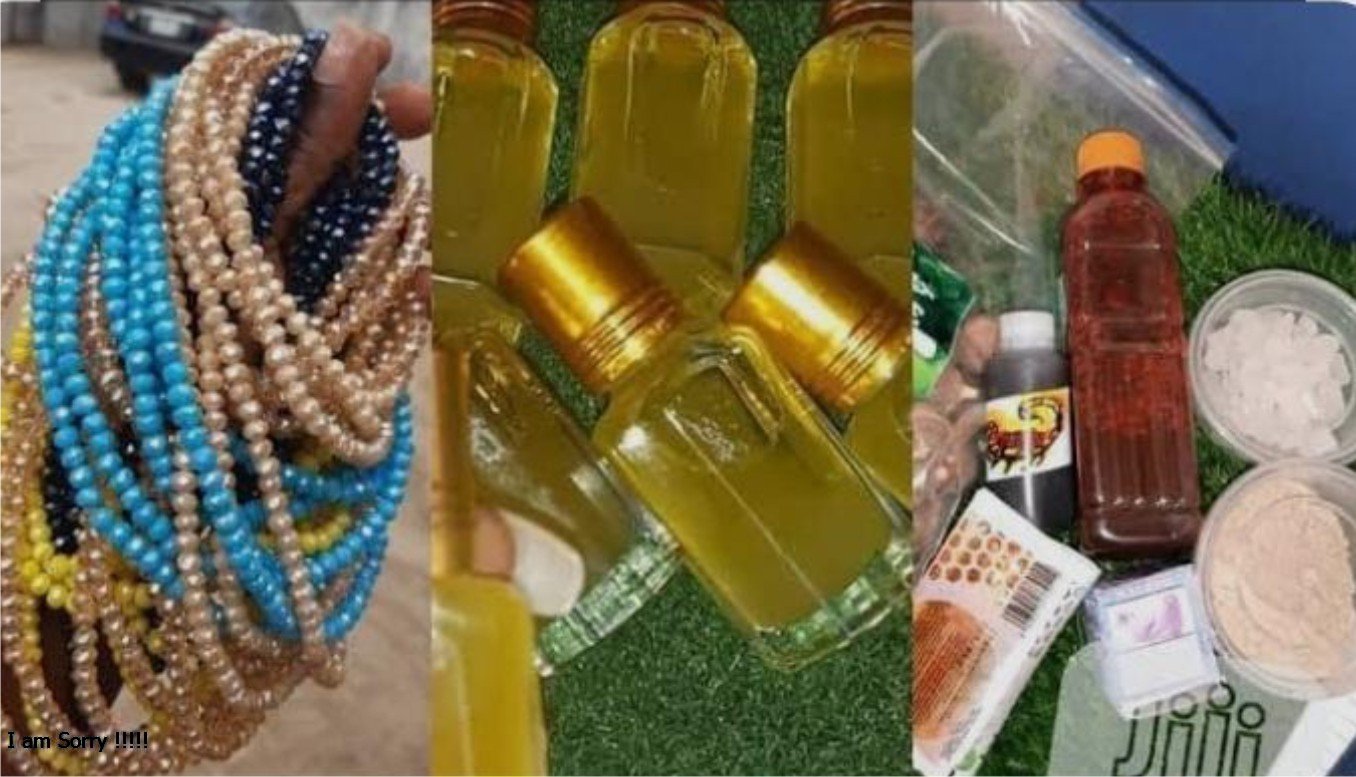
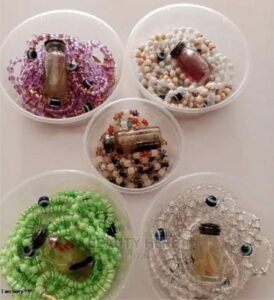
Today, however, the industry has evolved into something far bigger and more public. Vendors now package their products in fancy bottles and branded containers, presenting them like luxury beauty products and wellness items. Names such as “man lock,” “money attraction oil,” “sweet husband package,” “favour soap” and “marriage syrup” are now common across social media pages.
The rise of influencer culture and online marketing has played a major role in the transformation.
Customer testimonies, screenshots of payments, and dramatic before and after relationship stories are also frequently shared online to attract more clients.
The openness surrounding the business has surprised many Nigerians who remember when such products were discussed secretly. Today, vendors openly hold live sessions, relationship consultations, and promotional campaigns Online without fear of judgment. Some even collaborate with influencers and celebrities to boost visibility and gain public trust.
Modern patronage has also expanded beyond Northern Nigeria. Women from different parts of the country now patronize these products for various reasons, ranging from relationship struggles to financial expectations and emotional insecurity. Many buyers are reportedly seeking ways to gain control in romantic relationships or attract wealthy partners.
One of the most controversial aspects of the online boom is the promotion of products believed to spiritually bind men to women. Some sellers claim their oils, perfumes, or padlocks can prevent cheating, force commitment, or make a man financially submissive. Videos showing charms being dumped into rivers or rituals being performed are now circulated openly online as part of advertisement strategies.
Despite the popularity of the business, criticism continues to trail the industry. Many Nigerians have questioned the authenticity of the products and the spiritual claims attached to them. Others have raised concerns over emotional manipulation, exploitation, and the growing normalization of fetish related practices on social media.
Health experts and regulatory agencies have also expressed concerns about the sale of unregulated aphrodisiacs and herbal mixtures online. Most of the products are sold without proper certification, ingredient labels, or medical approval, yet they are consumed by thousands of people across the country.
Still, the business continues to grow rapidly.
Through aggressive branding, social media influence, and digital advertising, Kayanmata sellers have transformed an old traditional practice into a modern multi-million naira business.
As social media continues to shape conversations around intimacy, relationships, and personal desires, the once secretive world of Kayanmata appears to be becoming more open, commercialized, and impossible to ignore.
By Ademeso Maberu
