

-
The Story Of His Political Moves Up NORTH
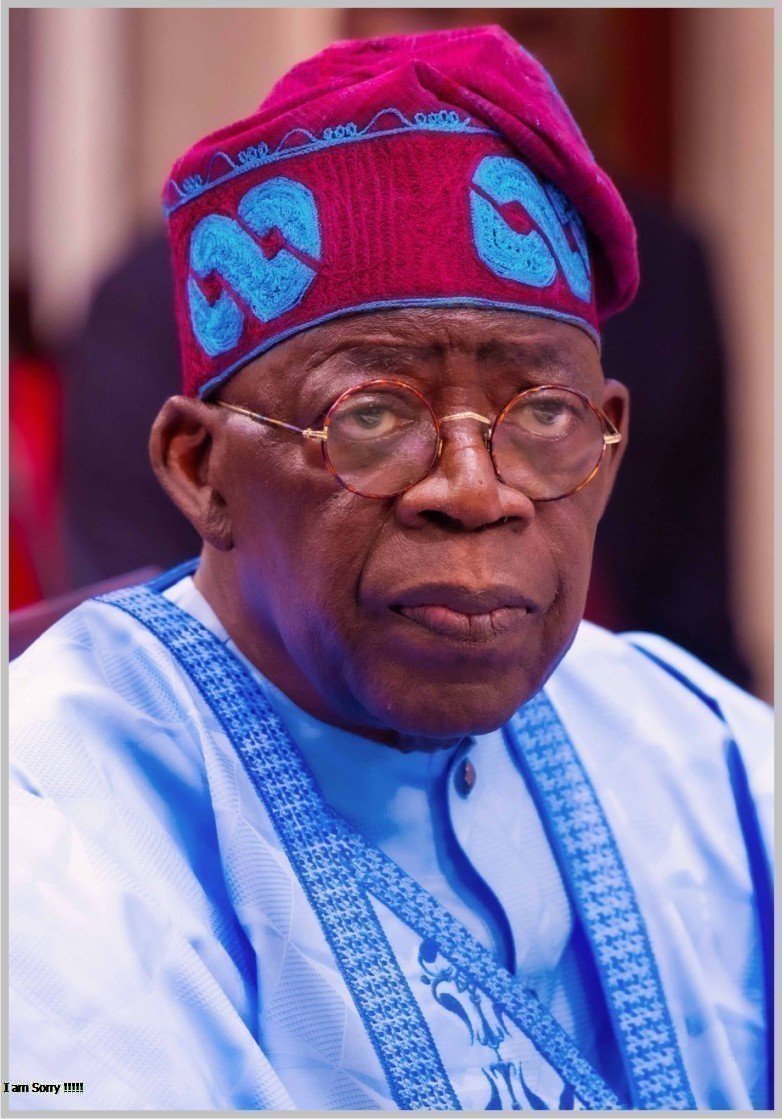
Things aren’t the same in the north since President Bola Ahmed Tinubu became the president of Nigeria a few years ago. Despite Northern Nigerians providing significant votes for President Tinubu in 2023, they are reportedly angry with the current government over their interests, feeling they are not well-represented in the current administration, leading to a sense of regret among some who voted for him. In the north, there is a notion that is common among northerners. Some people argue that a “born to rule” perception exists within the Northern political consciousness, which has helped maintain their hold on power. This perception has been challenged by the current president. Based on an analysis of political developments since the 2023 election, President Bola Tinubu has been accused by various stakeholders of weakening the traditional political dominance of Northern Nigeria through a combination of structural, economic, and political strategies. While some argue his actions are aimed at national, rather than regional, development, the perception of reduced influence has led to significant political tension.
In the army, for example, the North has always been nominated as Chief of Defence Staff. Based on recent developments in the Nigerian military hierarchy, the premise that the North continues to dominate the Chief of Defence Staff (CDS) position is shifting, with recent appointments under President Bola Tinubu aiming for a more diverse, geopolitical, and merit-based balance. While northern officers held top military and security positions during the Muhammadu Buhari administration, the current leadership structure has been rebalanced to include a broader representation, with the current CDS, Gen. Olufemi Oluyede, from the South-West. The last person who occupied the position before General Olufemi is Lt Gen. Alani Akinrinade in 1980. The position is generally seen as one of the North before this government came on board to restructure the army and end marginalization, which now reduces the power of the North. This didn’t stop at the army; it cut across the forces both in the Nigerian Navy and Air Force. Yes, based on recent leadership changes in 2025, the Nigeria Customs Service (NCS) has appointed several top officials from the Southern region as part of a restructuring approved by the Board and President Bola Tinubu. This was seen by major political observers to have weakened the North, which always feels that its representatives should occupy that position. All these moves anger the elite in the region.
Another point highlighted is the relocation of agencies to Lagos. The planned and implemented relocation of major departments from the Central Bank of Nigeria (CBN) and the Federal Airport Authority of Nigeria (FAAN) headquarters from Abuja to Lagos has been interpreted as a deliberate move to shift the economic and political center of gravity away from the North. This is seen as a way in which economic power is being moved away from the North to the South, and many Northern elites view those moves as strategic to weaken the North. The Arewa Consultative Forum (ACF) and the Northern Senators Forum (NSF) have condemned the decision, calling for its reversal. They argue it is a violation of the principle of equitable distribution of federal institutions. Critics argue that moving these offices undermines the North’s development and is part of a pattern of shifting power back to Lagos. Also, Tinubu’s administration has been accused of exploiting existing divisions among Northern political elites and using federal power to influence local politics. By fostering alliances with specific Northern figures (e.g., in Kaduna State) and sidelining others, the administration has disrupted the monolithic voting bloc often associated with the North.
There is also another point on infrastructural prioritization. Reports have indicated that federal budgetary priorities, particularly for infrastructure, have sidelined the North in favor of the South, particularly the Southwest. This includes disproportionate allocations for major infrastructure projects, which critics say reduce the economic leverage of Northern leaders. Decoupling from the “Buhari” political legacy: unlike the previous administration, which relied heavily on a cult-like following in the North, Tinubu’s approach is seen as more transactional and less beholden to the traditional Northern political establishment. This has created a gap between the presidency and some traditional Northern power centers. Generally, critics, majorly from the northern part of the country, allege that key positions in security, finance, and ICT have been filled with people from the Southwest, particularly from Tinubu’s Lagos circle, rather than from the North.
There is also another belief that the President’s interference in the Kano Emirate crisis is a glaring example of political machination. By meddling in traditional institutions, Tinubu appears intent on destabilizing a region known for its cultural and political influence. The timing of these actions suggests a calculated attempt to sow discord ahead of the 2027 elections, creating an environment ripe for exploitation. The president may use this discord to his own gain come 2027. Tinubu’s policies are also eroding political unity in the North. By exploiting divisions among Northern elites and using federal power to influence local politics, his administration weakens the region’s collective bargaining power. This fragmentation serves his political ambitions but leaves the North vulnerable and divided. President Tinubu’s actions suggest a deliberate strategy to undermine the North.
While these criticisms are widespread among certain stakeholders, other voices, including some government officials, argue that these claims are overblown or politically motivated. They suggest the region’s challenges are long-standing, predate the current administration, and that the administration is working to address them, noting that some northern leaders have called for patience and blamed previous, long-term mismanagement.
