

Celebrities in Nigeria often dominate headlines with stories about relationships, multiple partners, and children from different relationships. The Entertainment industry moves at a fast pace and public fascination with private lives has created a culture where personal choices become public debates.
Reports over the years have documented cases of high profile figures fathering children outside long term relationships, sparking conversations about responsibility and sexual health. While these narratives should never be used to shame individuals, they highlight the reality that unprotected sex and inconsistent condom use can lead to unplanned pregnancies and health risks.
Public discussions about celebrity lifestyles sometimes reveal broader societal issues. In environments where schedules are demanding and privacy is valued, sexual health planning may not always be prioritized. Health experts emphasize that HIV risk does not discriminate based on fame or social status. Whether someone is a well known entertainer or an ordinary citizen, prevention remains essential.
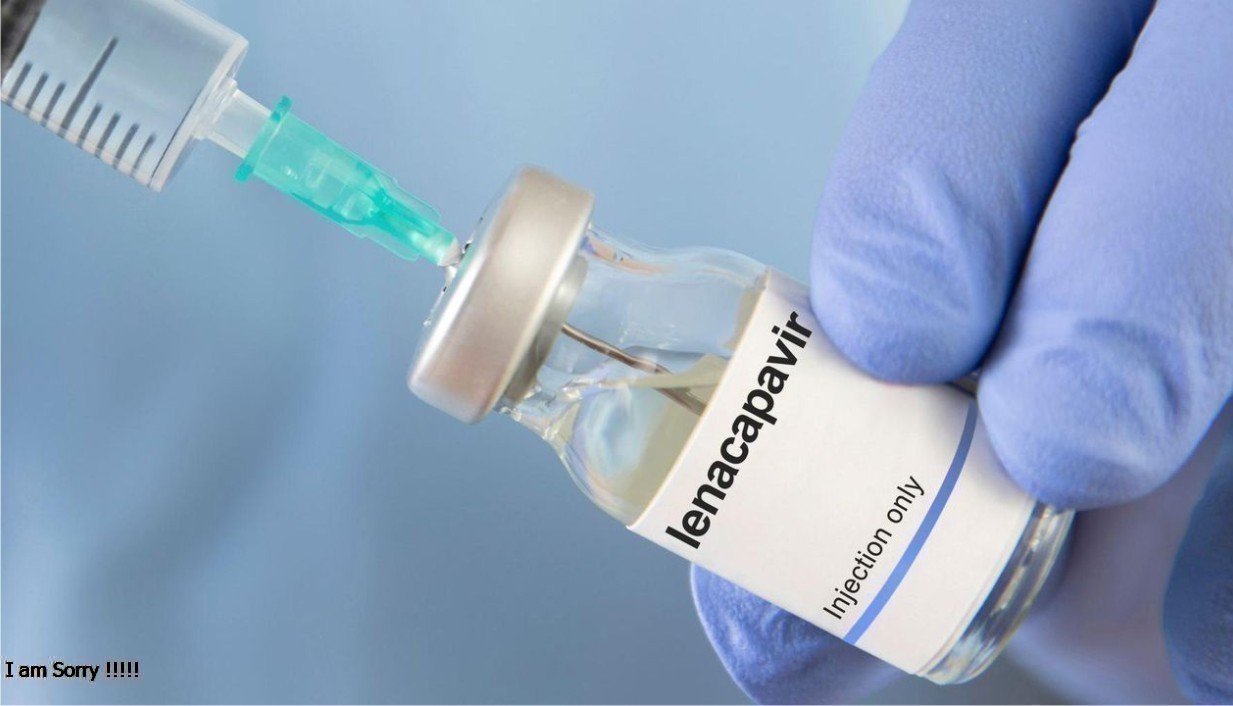
Against this backdrop, a significant medical breakthrough has arrived in Nigeria. The long acting HIV prevention injection known as lenacapavir became available in the country in 2025 through licensed distributors and healthcare providers. The medicine is marketed globally by the American pharmaceutical company Gilead Sciences and represents one of the most advanced developments in HIV prevention.
Lenacapavir is administered twice a year and provides strong protection against HIV infection. Clinical trials have demonstrated extremely high effectiveness when used according to guidelines. In some studies involving women in sub Saharan Africa, no participants who received the injection acquired HIV during the trial period. Researchers described the results as among the most promising advances in prevention in decades.
The pricing difference between Nigeria and wealthier countries is striking. In the United States and other high income markets, annual costs for the injection can reach approximately $42,000, which translates to tens of millions of naira. Such pricing would make the medicine inaccessible to most Nigerians. However, in Nigeria the injection is available at a subsidised price of N58,000 per dose, with two doses required each year for continuous protection.
This affordability is the result of global health partnerships and subsidy arrangements. International organisations have supported efforts to expand access to lifesaving medicines in low and middle income countries. The goal is to ensure that scientific breakthroughs do not remain limited to wealthy populations. Prevention of HIV reduces long term healthcare costs and improves public health outcomes, making access to prevention tools economically and socially beneficial.
Nigeria continues to face significant HIV challenges. Millions of citizens are living with the virus and thousands of new infections occur annually. Young people and women are particularly vulnerable in some communities due to stigma, limited healthcare access, and socio economic barriers. Prevention therefore remains a national priority.
Daily pills known as pre exposure prophylaxis have long been an effective prevention method. However, adherence can be difficult. Individuals may forget doses, face stigma if medication is discovered, or struggle with regular clinic visits. These challenges reduce effectiveness for some users. Long acting injections address many of these issues by providing protection that lasts six months after each dose.
The convenience of twice yearly administration simplifies prevention. There are no daily tablets to remember and fewer clinic visits. For individuals seeking discreet health solutions, the injection offers privacy and ease of use. Health providers report growing interest among professionals and high profile individuals who value confidential healthcare. While celebrities rarely discuss personal medical choices publicly, insiders suggest that long acting prevention is becoming part of broader wellness strategies in elite circles.
This interest should not be misunderstood as a product reserved for the wealthy or famous. Public health advocates emphasise that the greatest benefit of the medicine lies in protecting ordinary Nigerians who face real risks. Young women, students, and individuals in relationships with HIV positive partners often encounter barriers to traditional prevention methods. Stigma and limited access to clinics can discourage consistent use of daily medication. A twice yearly injection removes many of these obstacles and makes prevention more achievable.
Scientists explain that lenacapavir works by targeting a structural protein of the HIV virus known as the capsid. By disrupting this component, the medicine prevents the virus from replicating and establishing infection in the body. It does not cure HIV and it does not provide immunity in the traditional vaccine sense. Individuals must test HIV negative before receiving each injection, and the medicine does not protect against other sexually transmitted infections. Condoms and regular health check ups remain important components of comprehensive sexual health.
The development of lenacapavir required years of research and clinical testing. Drug innovation is a complex process involving laboratory studies, safety evaluations, and regulatory approval. Scientists had to design a formulation capable of remaining active in the body for six months while maintaining safety and effectiveness. Manufacturing long acting injectables also demands precision to ensure stability across different climates and storage conditions.
After global approval, efforts focused on expanding access. International donors and health organisations supported subsidy arrangements to reduce prices in low income countries. These partnerships reflect a broader philosophy of global health economics. Preventing infections today reduces long term treatment costs tomorrow. HIV treatment is effective but requires lifelong medication. Each prevented infection saves resources and improves quality of life.
Nigeria’s healthcare system now faces practical questions about implementation. Clinics must be equipped to administer injections safely. Healthcare workers require training on eligibility criteria and patient counselling. Rural communities need access alongside urban centres. Public awareness campaigns can help reduce misinformation and encourage informed decision making.
Stigma remains a significant barrier. Some individuals fear being associated with HIV related services even when seeking prevention. Education can help shift perceptions by emphasising that prevention is a normal part of healthcare. Just as vaccines protect against other diseases, HIV prevention deserves acceptance and support. Regular testing before each dose ensures safe use and contributes to public health monitoring. Early detection of infection allows timely treatment and reduces transmission.
The availability of lenacapavir in Nigeria does not eliminate the need for broader sexual health strategies. It is one tool among many. Condoms remain important for preventing other infections and unplanned pregnancies. Public health experts encourage individuals to make informed choices based on their circumstances. Prevention is a personal decision supported by medical science and healthcare systems.
Celebrities and ordinary citizens alike benefit from scientific progress. High profile individuals may choose long acting prevention for privacy and convenience. Young people may use it to protect their futures. Couples in serodiscordant relationships gain additional reassurance. The science serves society as a whole by reducing new infections and promoting healthier communities.
The introduction of long acting HIV prevention in Nigeria represents progress. It demonstrates the impact of global collaboration between pharmaceutical developers, international donors, and local health authorities. The medicine arrived in the country in 2025 after regulatory approval and distribution arrangements. Its availability reflects a commitment to expanding access to lifesaving healthcare.
Pricing differences between markets highlight global inequalities but also opportunities for partnership. In high income countries the cost of lenacapavir can reach approximately $42,000 per year. In Nigeria, subsidised pricing reduces the cost to N58,000 per dose, making prevention accessible to a wider population. This approach aims to balance sustainability with public health impact.
HIV remains a significant challenge, but solutions are advancing. Long acting prevention simplifies healthcare and reduces barriers. Combined with education, testing, and treatment, it contributes to the broader goal of reducing infections. Nigeria’s journey with HIV continues, shaped by scientific innovation and public health commitment.
Health is a shared priority. Whether individuals are celebrities or everyday citizens, access to prevention tools empowers informed choices. Long acting injections offer one more option in the fight against HIV. When used responsibly and supported by healthcare systems, they can help build a future with fewer infections and stronger communities.
By Benprince Ezeh
08068599879
