

-
Why He Supported The SOKOTO Airstrike
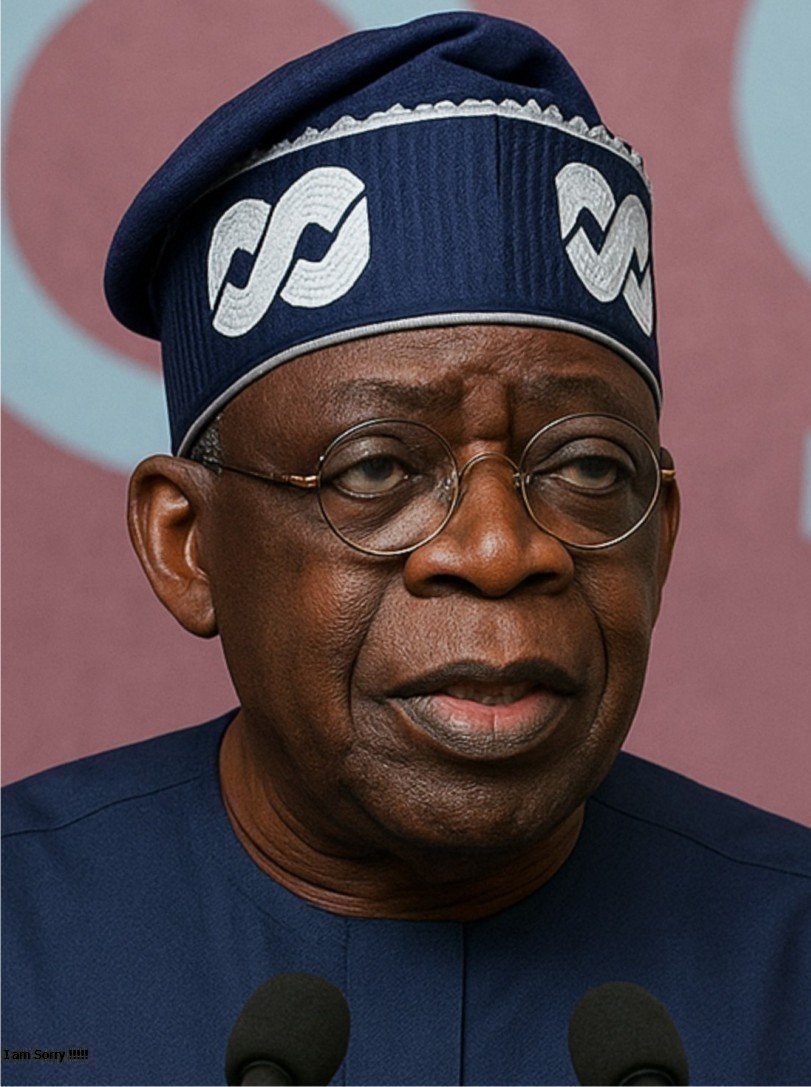
It is no longer news that Pres. Donald Trump made airstrikes into Sokoto a few days ago. But it was with the full support of Pres. Tinubu
Pres. Donald Trump confirmed that at his direction as Commander-in-Chief, the US launched a powerful and deadly strike against ISIS Terrorist Swum in Northwest Nigeria.
Nigeria’s Foreign Affairs Minister, Amb Yusuf Tuggar also confirmed that Nigeria approved the US Air strikes against the terrorists in the Northwest region. The minister said it is Collaboration. “It is what we have been calling for. It was Nigeria that provided Intelligence for the US Strike. I spoke with the US Secretary of State, for 19 minutes before the Strike, and we agreed to talk to Pres. Tinubu for his go-ahead. And he gave it. After the approval, I spoke again with Marco Rabio 5 minutes before the Strike was launched against the terrorists.”
Why did Pres. Tinubu agree for the airstrike to take place? Insiders say, it is because of the difficulties in tackling the ISIS problem in the North.
Nigeria’s insecurity challenges are complex and multifaceted. Several factors contribute to the difficulties in tackling these issues:
-Root causes: Poverty, unemployment, and lack of access to basic services fuel grievances and drive recruitment into armed groups.
-Corruption: Mismanagement of resources and corruption hinder effective security governance and funding.
-Weak institutions: Inadequate capacity and coordination among security agencies impede response and prevention efforts.
-Ethnic and religious tensions: Communal conflicts and identity politics exacerbate insecurity.
– Porous borders: Nigeria’s borders are vulnerable to arms smuggling and transnational crime.
-Economic instability: Economic hardship and inflation increase vulnerability to extremist recruitment.
Addressing these challenges require a comprehensive approach that includes Security sector reform, economic development, and community engagement.
Is it impossible to stop insecurity in Nigeria?
Experts say stopping Insecurity in Nigeria is challenging, but not impossible. It requires a multifaceted approach:
-Holistic security strategy: Address root causes like poverty, unemployment, and corruption.
– Strengthen institutions: Reform security agencies and improve coordination.
– Community engagement: Foster trust and collaboration with local communities.
– Economic development: Invest in infrastructure, education, and job creation.
-Regional cooperation: Collaborate with neighboring countries to combat transnational threats.
Security experts say progress is possible with sustained effort and commitment from government and stakeholders. Examples like the MNJTF’s success against Boko Haram show that collective action can yield results.

How much has been spent so far to end insecurity?
Nigeria has allocated significant funds to address insecurity. In 2025, the federal government earmarked N4.91 trillion ($3.7 billion) for defence and security, with states also contributing substantial amounts. For instance, 35 states voted N214 billion for local security outfits, defence initiatives, and arms procurement in their 2025 budgets.
Some states’ allocations include:
– Rivers State: N39.82 billion for security equipment
– Sokoto: N10.57 billion
– Kebbi: N21.81 billion
– Ondo: N7.07 billion for Amotekun operations
– Borno: N32.8 billion
Additionally, the 2025 budget allocates N595 billion to the intelligence sub-sector, which the House Committee on National Security and Intelligence deems inadequate. What are the security challenges?
Nigeria faces several security challenges, including:
– Terrorism: Boko Haram and ISWAP insurgencies in the North-East
– Banditry: Armed groups attacking communities and kidnapping for ransom in the North-West and North-Central
– Kidnapping: Widespread kidnappings for ransom across the country
– Herders-Farmers Conflict: Clashes between herders and farmers over land and resources
– Separatist Agitation: Groups like IPOB and the Oduduwa separatist movement
– Armed Robbery: Violent robberies and highway attacks
– Maritime Piracy: Attacks on ships and oil infrastructure in the Gulf of Guinea
– Cybercrime: Online scams and cyber-enabled crimes
These challenges are interconnected and often fueled by poverty, corruption, and weak institutions.
How can Nigeria tackle Insecurity effectively?
Nigeria can tackle its security challenges through:
– Holistic approach: Address root causes like poverty, unemployment, and corruption.
-Security sector reform: Strengthen institutions, improve coordination, and enhance capacity.
– Community engagement: Foster trust and collaboration with local communities.
– Economic development: Invest in infrastructure, education, and job creation.
-Regional cooperation: Collaborate with neighbors to combat transnational threats.
-Technology integration: Leverage tech for surveillance, intelligence, and response.
-Judicial strengthening: Ensure accountability and justice for security-related crimes.
Key initiatives like the National Security Strategy and the Borno State Stabilisation Plan show promise. Sustained effort and commitment are crucial.
How old is the insecurity challenges?
Nigeria’s insecurity challenges have a long history, dating back to:
– 2009: Boko Haram insurgency began
– 2011: Post-election violence and rise of armed groups
– 2014: Chibok schoolgirls abduction, internationalizing Boko Haram’s threat
– 2015-present: Escalating banditry, kidnappings, and herder-farmer conflicts
The current insecurity landscape is a culmination of decades of neglect, corruption, and weak governance.
Is it a Nigerian problem or regional or global?
Nigeria’s insecurity is a complex issue with local, regional, and global dimensions:
– Local: Root causes like poverty, corruption, and weak governance fuel insecurity.
– Regional: Transnational groups like Boko Haram and bandits operate across borders, affecting neighbors like Chad, Niger, and Cameroon.
– Global: Terrorism, climate change, and economic instability have international implications.
The issue is intertwined with global security trends, economic interests, and geopolitical dynamics. Addressing it requires cooperation across borders and levels.
How bad is our border problem?
Nigeria’s border problem is quite severe, with porous borders contributing to various security challenges. The country’s borders with Benin, Chad, Cameroon, and Niger are particularly vulnerable, allowing for the smuggling of arms, drugs, and other illicit goods. This has fueled insurgency, banditry, and kidnapping, with groups like Boko Haram exploiting these routes for their operations.
What are the Key Issues?
– Arms Smuggling: Porous borders enable the flow of small arms and light weapons, exacerbating insecurity.
– Human Trafficking: Nigeria is a hub for human trafficking, with many victims exploited in forced labor or sex trade.
– Banditry: Armed groups operate across borders, attacking communities and kidnapping civilians.
– Terrorism: Boko Haram and other groups use Nigeria’s borders to launch attacks and evade capture .The government has taken steps to address these issues, including strengthening border security and collaborating with regional partners. However, more needs to be done to tackle corruption, improve surveillance, and enhance economic opportunities for border communities.
What is the way out?
-Strengthen Governance: Address corruption, improve transparency, and enhance accountability.
– Economic Development: Invest in infrastructure, education, and job creation to reduce poverty and inequality.
– Security Sector Reform: Professionalize security agencies, improve intelligence, and enhance regional cooperation.
– Community Engagement: Foster trust and collaboration with local communities to prevent radicalization.
– Border Security: Enhance surveillance, strengthen border control, and address transnational crime.
Key initiatives like the National Security Strategy and regional cooperation through ECOWAS show promise. Sustained effort and commitment from government and stakeholders are crucial.
Who is funding the bandits and insurgents?
The funding sources for bandits and insurgents in Nigeria are diverse. Some of the identified sources include.
– Extortion and Ransom: Kidnapping for ransom is a lucrative business, with estimates suggesting that Boko Haram received around $19 million in ransom payments between 2019 and 2021.
– Cattle Rustling: Cattle rustling is a significant source of funding, particularly in the northwest, with terrorists accruing over N597 million annually from protection taxes in Zamfara State.
– Illicit Trade: Smuggling, arms trade, and involvement in the narcotics industry also generate funds.
– Donations and Sympathizers: Some individuals and groups, including wealthy professionals and foreign sympathizers, provide financial support.
– Legitimate Businesses: Terror groups have investments in various sectors, including farming, mining, and real estate.
– Foreign Support: There are allegations of support from international terror networks like Al-Qaeda and ISIS.
The Indigenous People of Biafra (IPOB) and other groups have also been accused of funding terrorism through crowdfunding and sports betting platforms
