

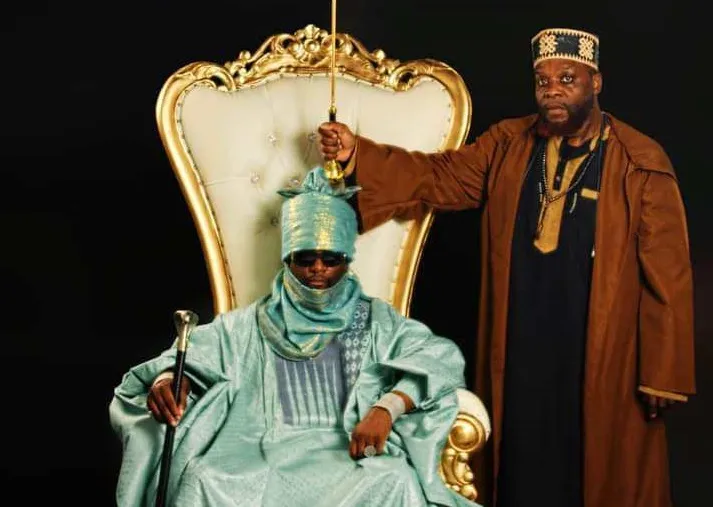
Houston, Texas — His Highness Sarki El Amir, Amir Omar El Ali, a royal envoy, traditional leader, and advocate for historical justice, has formally petitioned His Royal Highness Dr. Muhammadu Sanusi II, Emir of Kano, urging the initiation of a structured process of historical reparations for descendants of Africans whose ancestors were enslaved within the Hausa states and the territories that later became the Sokoto Caliphate in the nineteenth century.
The appeal seeks to address the historical experiences of Africans, both those who remained on the continent and those whose descendants today form part of African-American and wider Afro-diasporic communities in the Americas, whose lives were shaped by systems of bondage embedded within West African polities. By situating Kano and the Sokoto Caliphate within the broader and complex history of African enslavement, Sarki El Amir’s initiative calls attention to internal slave systems, regional trade networks, and the enduring social and economic consequences of these institutions across generations.
Importantly, he stresses that the appeal is not intended to single out Kano or the Sokoto legacy alone, but rather to propose a model through which African institutions can lead by example—confronting their own histories of slavery while participating in a global process of truth-telling, accountability, and repair.
“The descendants of those captured and forced into servitude during the upheavals of the nineteenth century—whether they remained within African societies or were drawn into wider networks of displacement—deserve recognition, historical truth, and justice,” Sarki El Amir said in a public communiqué.
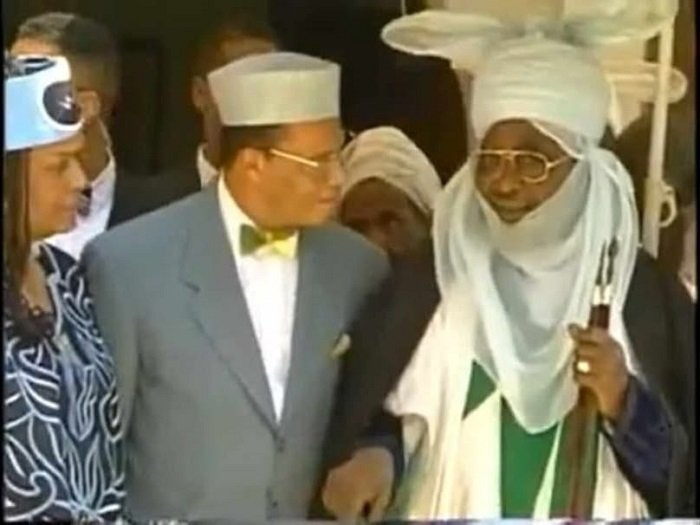
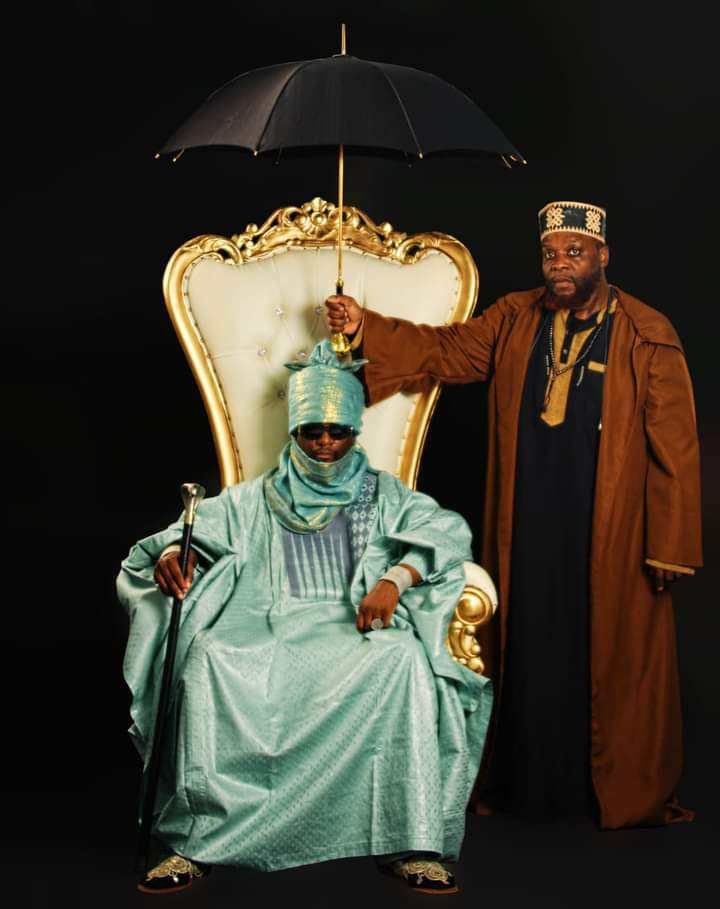
Kano, the Hausa States, and a History of Internal Slavery
Long before the nineteenth century, slavery was deeply woven into the social, political, and economic fabric of the Hausa states, including Kano. Under pre-jihad Hausa rulers, enslaved people formed the backbone of agricultural production, crafts, military service, palace administration, and domestic labour. A highly organised system of royal and palace slavery existed, with enslaved communities settled in villages and quarters surrounding the city, sustaining elite households and state authority.
The early nineteenth century ushered in a transformative period marked by the Islamic reform movement led by Usman dan Fodio. The ensuing jihads overthrew several Hausa rulers and brought territories such as Kano under the authority of the emerging Sokoto Caliphate around 1807. Rather than abolishing slavery, the new Fulani-led emirates expanded and reorganised existing systems of bondage. Large agricultural estates and slave villages proliferated, becoming central to local economies and political power.
By the mid-nineteenth century, Kano was widely described by contemporary observers and later historians as one of the largest internal slave societies in Africa, with enslaved people constituting a significant proportion of its population. Their labour sustained farming, textile production, estate management, and urban life, embedding slavery firmly within structures of governance, wealth accumulation, and social hierarchy.
These systems intersected with multiple trade networks. While trans-Saharan and regional exchanges were especially significant, some captives from the broader region were, in earlier centuries, indirectly drawn into Atlantic-oriented circuits through coastal intermediaries. Following Britain’s abolition of the trans-Atlantic slave trade in 1807 and subsequent naval suppression, large-scale overseas export declined. Internal slavery within the Sokoto domains, however, persisted well into the colonial era, shaping land tenure, labour relations, and class distinctions that continued to influence West African societies long after formal abolition.
Reparations as Recognition and Repair
In his appeal, Sarki El Amir frames reparations as both symbolic and practical—a form of restorative justice that acknowledges the enduring consequences of enslavement carried out under pre-jihad Hausa polities and the Sokoto Caliphate. He argues that these systems inflicted intergenerational harm by stripping individuals and communities of autonomy, lineage continuity, land rights, and accumulated wealth—losses whose effects remain visible among descendant communities in West Africa and across the diaspora.
He calls for a reparative process that recognises internal African systems of slavery alongside the Atlantic experience and proposes initiatives including historical research, educational programs, memorialisation projects, scholarships, and community development efforts linked to regions and lineages historically affected by bondage. Central to his vision is collaboration: such programs, he insists, must be designed in partnership with descendant communities in Africa and the diaspora to ensure they reflect lived realities and local priorities.
Traditional Authority and Contemporary Responsibility
The appeal is directed to Emir Muhammadu Sanusi II not only as the custodian of Kano’s royal heritage, but also as a leading moral and intellectual voice in contemporary Islamic and West African public life—particularly at a moment of ongoing legal and political debates over the structure and leadership of the Kano emirate.
Despite these contests, the emirate remains a powerful cultural and religious institution whose historical authority spans both the Hausa era and the period of the Sokoto Caliphate. By engaging Kano’s traditional leadership, Sarki El Amir underscores that conversations about justice and reparations should not be confined solely to former European colonial powers. African institutions whose predecessors benefited from enslaved labour, he argues, also have a responsibility to acknowledge historical realities, foster dialogue, and participate in forward-looking efforts at repair.
Toward a Broader Reckoning
Sarki El Amir’s appeal adds a significant voice to the growing international conversation on history, memory, and redress. By encouraging a more nuanced reckoning with West Africa’s layered systems of slavery—pre-jihad, jihad-era, trans-Saharan, and Atlantic-linked—he invites scholars, leaders, and institutions to engage more honestly with the region’s past and its lasting social consequences.
Grounded in established historical scholarship and the lived experiences of descendant communities, the initiative calls for open dialogue and concrete action, including cross-continental partnerships between African and diaspora organisations. Its central aim is clear: to ensure that the descendants of enslaved Africans connected to Kano and the wider Sokoto sphere see their histories acknowledged and their futures supported through tangible, community-informed measures of recognition and repair.
