

-
How It Will Reshape NIGERIA
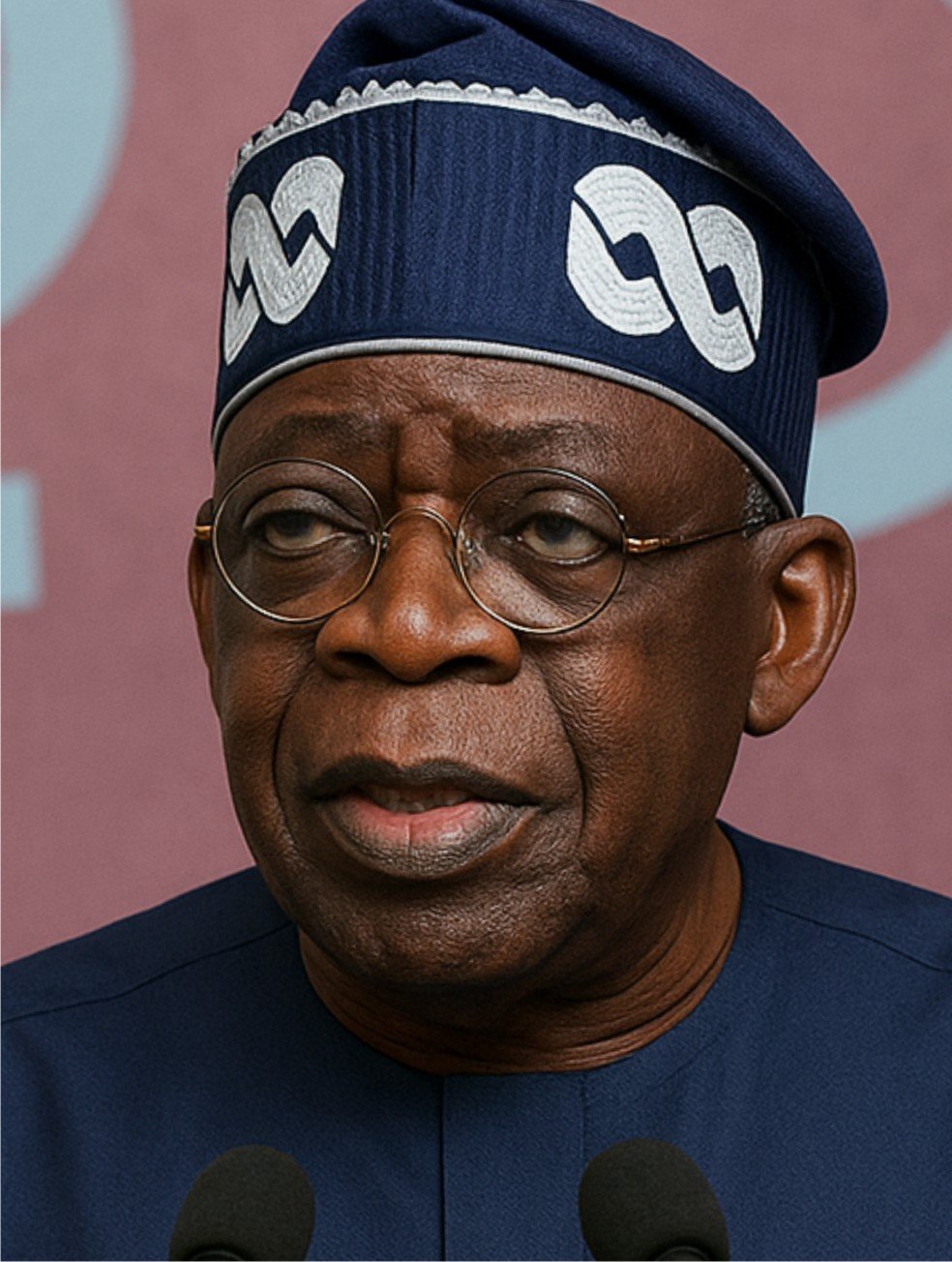
Hate him or love him, President Bola Ahmed Tinubu has marked a defining chapter in Nigeria’s history—one anchored on courage, bold reforms, and a relentless pursuit of progress. Indeed, not many Presidents can dare to go the route that President. He has taken on bold reforms that attract ruthless consequences, one that can easily cost him or any president on his first term, his re-election. But President Tinubu does not seem to mind losing his second term bid. His mind is fixated on reforming Nigeria and driving it out of the woods where it has been held captives for several decides running.
If truth be told, what this President has done is unprecedented. In just two years, President Tinubu has embarked on transformative initiatives across various sectors, laying the groundwork for sustainable development.
His key reforms include the removal of petrol subsidies and the unification of the exchange rate, creating a market-reflective and stable currency environment. These measures, though terrifying at first, have enabled the Central Bank of Nigeria to increase foreign exchange reserves, now more than $38 billion.
These reforms have resulted in a surge in investment inflows, with domestic and international investors regaining confidence in the economy. Fitch upgraded Nigeria’s long-term foreign-currency issuer default rating from B- to B and revised the outlook from Negative to Stable in April 2025. This upgrade reflects increased confidence in the government’s commitment to policy reforms, including exchange rate liberalization, monetary policy tightening, and steps to end deficit monetization and remove fuel subsidies.
The World Bank recently reported that Nigeria’s economy grew at its fastest rate in nearly a decade in 2024, attributing this to the early successes of the President’s macroeconomic reforms. The country’s fiscal deficit dropped from 5.4% of GDP in 2023 to 3.0% in 2024, bolstered by increased national revenue, from ¦ 16.8 trillion to ¦ 31.9 trillion.
The President has demonstrated his commitment to road infrastructure in Nigeria, with numerous projects including the 6-lane 700-kilometre Lagos-Calabar coastal road designed to enhance connectivity and facilitate trade across eight states—Lagos, Ogun, Ondo, Delta, Bayelsa, Rivers, Akwa Ibom, and Cross River; and the Sokoto-Badagry highway that links the Western and Northern parts of the country. The Keffi-Akwanga-Lafia-Makurdi highway has been commissioned and is operational, while the Benin-Asaba highway has been flagged off under the Highway Development and Management Initiative (HDMI). The contractor has since moved to the site.
The administration has also implemented far reaching reforms in the area of internal security and boarder control management with the introduction of biometric passport application and e-visa initiatives, the implementation of Advanced Passenger Information (API) system, the Command and Control Center and the deployment of e-gates at the four major airports to make arrival and screening seamless for Nigerians.
The administration is implementing, approving, and advancing PPP projects across various sectors to drive infrastructure development and economic growth. At the Federal Executive Council (FEC) meeting of 12th May 2025, approvals were granted for some PPP projects that include:
The Tinubu administration is focusing on a wide range of infrastructure developments under its “Renewed Hope” agenda, many of which are continuations and accelerations of existing projects or new initiatives using public-private partnerships (PPP) and tax credit schemes.
While the government has several large-scale projects, the Lagos-Calabar Coastal Highway is widely considered the administration’s flagship “most audacious mega project”. It definitely leads the pack of the many top mega projects the Tinubu administration has undertaken. These mega projects are expected to shape Nigeria going forward. When completed, these multi million dollar projects will redefine Nigeria and entrench the Tinubu administration in the annals of the history of this country s one of its most outstanding administrations. City People takes a look at some of the most significant projects in terms of scale and funding:
The ambitious Lagos-Calabar Coastal Highway: A 700km, 10-lane superhighway with an integrated rail line designed to connect nine coastal states from Lagos to Calabar, to Cross River. Phase 1 is currently under construction. It is expected to enhance transformation, boost tourism.
Abuja-Kaduna-Zaria-Kano Road: Rehabilitation and dualization of this critical 164 km Northern link, with funding significantly revitalized and a completion target of 2026.
Sokoto-Badagry Superhighway: A massive 1,068 km North-South highway project which also incorporates a rail line in its median, aiming to link Sokoto, Kebbi, Niger, Kwara, Oyo, Ogun, and Lagos States.
Ajaokuta–Kaduna–Kano (AKK) Natural Gas Pipeline: This 614 km gas pipeline project is a major energy infrastructure initiative aimed at boosting domestic gas utilization and power generation. It will transport natural gas from Ajaokuta to Kano. This initiative is set to energise industries, reduce gas flaring and provide cleaner energy solutions across Northern Nigeria.
Nigeria LNG Train 7 poject: This is 6.5 billion dollar expansion aiming to increase the country’s LNG production capacity by 35 percent. This development not only boosts Nigeria’s position in the global energy market but also promises over 50,000 job opportunities.
Guarara 2 Hydro electric power station: In Kaduna State, the Guarara 2 Hydro electric power station is underway. With a capacity of 360 mega watts, this 1.24 billion dollar project aims to provide sustainable energy, supporting both agriculture and domestic power needs.
200 million dollar rural electrification mini grids: Addressing energy access disparities, Nigeria is set to deploy 400 mini grids and 50 metro grids. This 200 million dollar initiative will bring reliable electricity to over 2 million people in rural communities.
Bodo-Bonny Road and Bridges: A project connecting Bonny Island to the Rivers State mainland, which includes 13 bridges. The contract cost was revised to N280 billion to ensure completion by September 2025.
Second Niger Bridge Access Roads: The administration is completing the final phases, including a 17.55 km access road on the Asaba side, to fully operationalize the bridge and ease traffic congestion in the South-East/South-South regions.
Enugu-Onitsha Expressway: Reconstruction and dualization of the 107 km road using a tax credit scheme involving MTN Nigeria, with a May 2026 deadline.
Abuja Metro Rail Rehabilitation: Efforts to revitalize and complete the Abuja Light Rail system, with several sections now ready for commissioning.
Benin-Asaba Superhighway: A 125 km PPP-funded superhighway with solar lighting, launched in March 2025, aimed at improving connectivity between Edo and Delta States.
Deep Seaports Development: The administration has approved major private capital investments for new deep seaports, including the Bakassi Deep Seaport in Cross River State and the Port of Ondo Deep Seaport, to enhance trade and unlock regional economic potential.
The administration has emphasized the use of concrete pavement technology for many road projects to ensure durability and longevity, moving away from traditional asphalt where suitable.
– WALE LAWAL (08037209290)
