


For Muslims around the world, the holy month of Ramadan is not only a period of fasting, prayer, and spiritual reflection, but also a time when acts of charity are highly encouraged. One of the most important charitable obligations in Islam is Zakat, a compulsory form of almsgiving that wealthy Muslims must observe as part of their religious duty.
The Meaning and Importance of Zakat
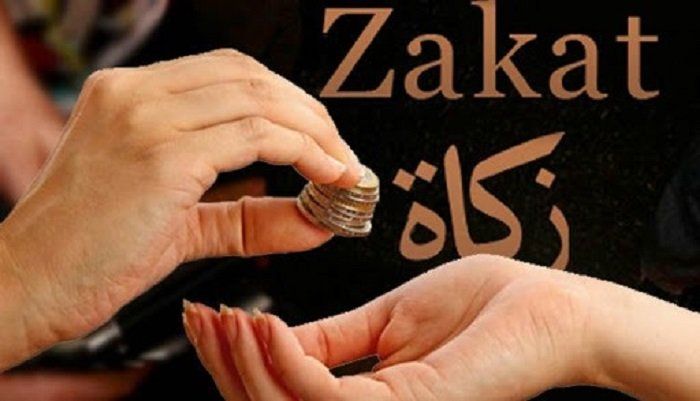
Zakat is one of the fundamental pillars of Islam and represents a structured system of wealth redistribution aimed at supporting the less privileged in society. According to Islamic teachings contained in the Qur’an, Muslims who meet the required wealth threshold are mandated to give a fixed portion of their accumulated wealth to those in need. The practice is also reinforced by the teachings of Prophet Muhammad, who emphasised charity as a path to spiritual purification and social balance.
Who Must Pay Zakat?
Zakat is obligatory for adult Muslims who possess wealth above a minimum threshold known as Nisab. This threshold is typically calculated based on the value of gold or silver and is used to determine whether an individual qualifies as financially capable of paying Zakat.
Wealth subject to Zakat includes: Savings and cash reserves, Business profits and investments, Gold, silver, and valuable assets, Agricultural produce and livestock (under specific conditions)
Those whose wealth meets or exceeds the Nisab are expected to give 2.5 per cent of their qualifying assets annually.
Why Ramadan Is a Preferred Period for Zakat
Although Zakat can be paid at any time of the year once it becomes due, many Muslims choose Ramadan because of the belief that acts of charity performed during the holy month attract greater spiritual reward. Ramadan promotes compassion, generosity, and empathy for the poor, making it a spiritually significant time for fulfilling this obligation.
Proper Channels for Zakat Distribution
Islamic guidelines clearly specify categories of individuals who are eligible to receive Zakat. These include:
The poor and needy, Individuals burdened by debt, Travellers stranded without resources, those working to distribute Zakat, New converts requiring support, Individuals struggling to meet basic living expenses, Causes that serve community welfare and humanitarian support
Wealthy Muslims are encouraged to ensure that their Zakat reaches genuine beneficiaries. Many prefer to distribute Zakat directly to individuals, while others channel their contributions through verified charitable organisations, Islamic foundations, or community welfare programmes.
Ethical Considerations in Giving Zakat
Islamic teachings emphasise that Zakat should be given with sincerity and humility. Public display or giving with the intention of gaining recognition is discouraged. Donors are advised to respect the dignity of recipients and ensure that the assistance provided genuinely improves their quality of life.
The Social Impact of Zakat
Beyond its religious significance, Zakat serves as an important social welfare system. It helps reduce poverty, supports economic stability, promotes social equality, and strengthens community bonds. In many Muslim societies, Ramadan Zakat contributions significantly support food distribution programmes, healthcare initiatives, educational sponsorships, and emergency relief efforts.
Conclusion
For wealthy Muslims, paying Zakat during Ramadan represents more than a financial obligation; it is a demonstration of faith, compassion, and responsibility toward society. By redistributing wealth to those in need, the practice reinforces the Islamic values of generosity, justice, and communal support, which remain central to the spirit of Ramadan.
– Wahab Bashir with additional information online
