

Booking engines, channel managers, and revenue management platforms rarely come with price tags that match what companies actually pay. A hotel might sign a contract for $400 a month advertising a property management system, then discover the real monthly cost is closer to $1,200 once integration fees, payment processing surcharges, and support tiers get added in. Understanding these hidden layers matters whether you run a boutique inn, manage a tour operation, or oversee technology decisions for a regional airline.
Licensing Fees Are Just the Starting Point
Vendors advertise base subscription rates because those numbers look competitive next to rivals. A channel manager might quote $150 per month for a small property, but that figure usually assumes a limited number of connected channels and a set volume of reservations. Add a fourth or fifth OTA connection, or push past a booking threshold, and the monthly bill can jump by 30% or more without warning.
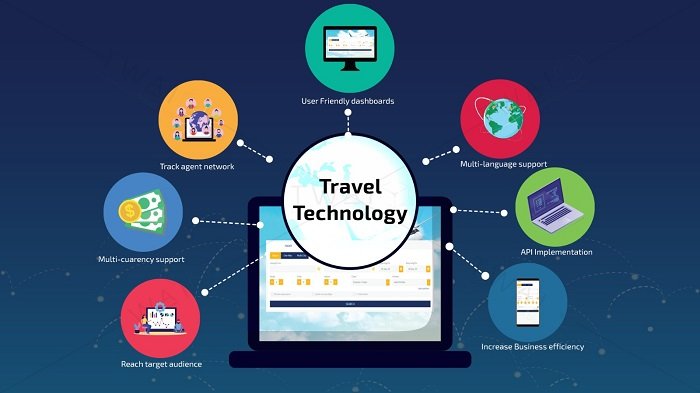
Many platforms also charge separately for features that used to be standard, like multi-currency support or automated rate parity checks. Reading the fine print on tiered pricing structures before signing anything saves budget headaches six months down the line.
Integration Costs Add Up Fast
Connecting a new booking system to existing infrastructure rarely happens for free. Property management systems, point-of-sale terminals, and customer relationship platforms all need to talk to each other, and that communication usually requires custom API work. A mid-sized hotel group switching central reservation systems can expect integration costs ranging from $8,000 to $25,000, depending on how many legacy systems need bridging.
Tour operators face similar issues when linking booking widgets to accounting software or CRM tools. Every additional connection point introduces another potential failure spot and another line item on the invoice from whichever developer handles the work.
Staff Training Eats Into Budgets
New software only pays off if staff actually use it correctly, and training is rarely as quick as sales demos suggest. Front desk teams at a 60-room hotel might need three to five days of hands-on training before they stop reverting to old workarounds. That training time translates directly into lost productivity, since staff aren’t checking guests in or answering phones at full speed while they learn a new interface.
Turnover compounds this cost. The hospitality and travel sectors see annual staff turnover rates well above 60% in many markets, which means training expenses aren’t a one-time investment but a recurring operational cost baked into every new hire.
Maintenance and Updates Never Stop
Software doesn’t stay static once it’s installed. Security patches, compliance updates for payment card standards, and feature rollouts happen continuously, and most vendors build ongoing maintenance fees into their contracts rather than treating them as optional add-ons. A travel agency running a legacy booking system might pay 18% to 22% of the original license cost annually just to keep the platform current and secure.
Skipping these updates isn’t really an option either. Outdated systems become vulnerable to data breaches, and payment processors can suspend merchant accounts that fail to meet current PCI DSS requirements. Following travel industry news helps operators stay ahead of these compliance shifts before they become emergencies rather than scheduled updates.
Switching Systems Carries Hidden Penalties
Contract lock-in periods make switching platforms more expensive than most operators anticipate. Many vendors require 12 to 36-month commitments, and breaking a contract early triggers penalty fees that can equal several months of subscription costs. Data migration adds another layer of expense, since moving years of reservation history, guest profiles, and loyalty records between systems often requires third-party migration specialists charging by the hour.
Downtime during a transition also carries a real cost. A property management system switch that takes even three days of partial functionality can mean dozens of missed or mishandled reservations, and each of those represents lost revenue that doesn’t show up on any invoice but hits the bottom line just the same.
What This Means for Smaller Operators
Independent hotels, small tour companies, and single-location travel agencies feel these costs more acutely than large chains because they lack the negotiating leverage to demand custom pricing or waived fees. A 20-room bed and breakfast paying the same integration fee as a 200-room hotel is absorbing a much larger percentage of its operating budget for identical technology.
This doesn’t mean smaller operators should avoid modern systems. It means budgeting needs to account for the full lifecycle cost of any platform, not just the advertised subscription price, before signing a contract that looks affordable on paper.
The real lesson here is to request a full cost breakdown before adopting any new travel technology platform, covering integration, training, maintenance, and exit fees in writing. Vendors willing to provide that level of detail upfront tend to be more transparent partners over the life of the contract, and that transparency is worth more than a slightly lower headline price.
