
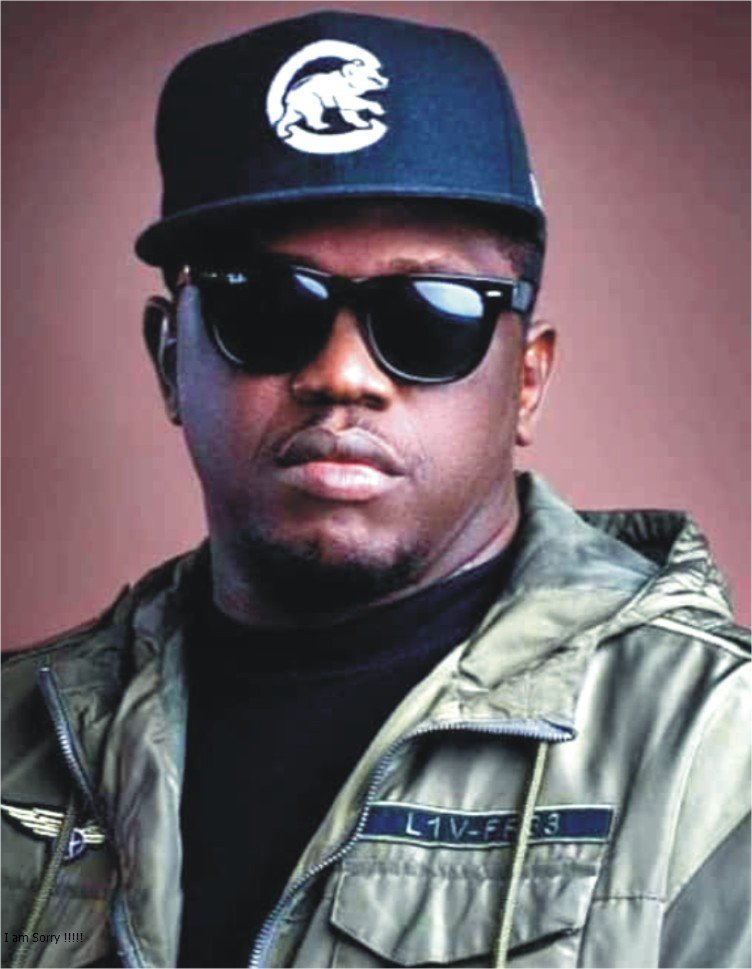
For Illbliss, Hip-Hop is more than a genre. It is a culture, a community and a part of his identity. The veteran rapper, popularly known as Oga Boss, has spent years contributing to the growth of Nigerian Hip-Hop, both through his music and through his willingness to show up whenever conversations around the culture are taking place.
In recent years, it has become increasingly common to find Illbliss at Hip-Hop gatherings, listening sessions, rap battles, cyphers and cultural events. He has consistently used his presence to support younger artistes and remind fans that the survival of Hip-Hop requires more than the release of songs. His recent appearance at a Hip-Hop gathering in Lagos was another example.
With conversations around the future of Nigerian Hip-Hop gaining fresh momentum, Illbliss sat down with fans, artistes and Hip-Hop heads for an open conversation about the culture, the state of the industry and, particularly, the importance of Lagos as a market for Hip-Hop. City People Showbiz Reporter Emmanuel Daniji was at the gathering and took an active part in the conversation.
For Illbliss, Lagos remains central to the Nigerian music story. The city has historically provided the infrastructure, audience, media attention, clubs, promoters, brands and commercial opportunities that have allowed several generations of Nigerian artistes to build careers. And while Afrobeats has arguably taken the biggest share of the commercial spotlight, Illbliss believes Hip-Hop still has an important place in Lagos’ entertainment ecosystem. His argument is not simply that Hip-Hop needs more sympathy.
It needs a stronger ecosystem. It needs events that people will attend, brands willing to invest, media platforms willing to tell the stories, promoters willing to take risks and artistes willing to create music that connects with their audience. Illbliss has demonstrated that commitment himself.
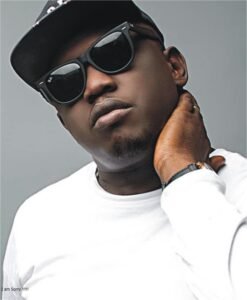
Back in 2016, he headlined the 5ive Live: Hip-Hop Sessions at The Bridge in Lekki, an event that brought together rappers, DJs, B-boys, graffiti artists and Hip-Hop fans. It was built around the elements of Hip-Hop rather than simply being another music concert. Years later, he was still turning up for the culture.
In May and August 2025, Illbliss made a guest appearance at Battle Rap Africa’s On a Platter of Bars 1.0 and 2.0 respectively, supporting 2 nights dedicated to battle rap and lyrical competition. His presence was significant because it placed an established veteran alongside a new generation of rappers and battle performers. He has also participated in deeper cultural conversations.
At BUDX Lagos, Illbliss joined Sasha P, Show Dem Camp, photographer August Udoh and other creatives for a panel discussion examining Hip-Hop in the digital era. The conversation focused on the highs and lows of the culture and possible ways of addressing its challenges. And the pattern has continued into 2026.
In August, Illbliss was among the Hip-Hop names connected with the latest Hennessy Artistry Cypher activity, alongside names including Vector, Dremo, Terry Tha Rapman and Jesse Jagz. It was another reminder that the Oga Boss remains connected to the active Hip-Hop community rather than existing solely as a veteran looking back at his glory days.
ILLBLISS AND THE LAGOS CONVERSATION
Interestingly, the rapper’s views about Lagos have also featured prominently in his recent public conversations. During an appearance on the Outside The Box podcast earlier this year, Illbliss spoke about the contribution of non-indigenes to Lagos and argued strongly against tribalism and the idea that Nigerians should be restricted to their states of origin. He specifically discussed the economic contribution of Igbos to Lagos through trade and commerce, arguing that the city’s growth has been shaped by people from different parts of Nigeria.
His position was straightforward: Lagos is stronger because different people have been able to build their lives, businesses and careers there. “The Igbos have given a lot to the Lagos economy in terms of trade and commerce,” he said during that conversation, while also questioning the idea that people who are not originally from Lagos should be told to leave. He went further, expressing frustration that Nigerians continue to struggle with tribal, ethnic and religious divisions despite decades of living together. That conversation is relevant to the Hip-Hop discussion because Lagos itself has always been a meeting point for different cultures.
Nigerian Hip-Hop was never created in isolation. It developed through the meeting of different sounds, languages, backgrounds and experiences. And Illbliss knows this from experience. His own career is a reflection of that journey. He emerged from the Eastern Nigerian rap movement but built a national identity in Lagos, eventually becoming one of the rappers who helped prove that an artiste could embrace Igbo identity and still compete effectively in the Nigerian mainstream. That history makes his current argument about Hip-Hop particularly interesting.

CITY PEOPLE ASKS ILLBLISS ABOUT HIP-HOP
During the recent Lagos gathering, Emmanuel Daniji asked Illbliss about the responsibility of veterans in keeping Nigerian Hip-Hop alive. Illbliss’ response was essentially that veterans cannot sit back and complain about the state of the culture without contributing to its survival. The rapper stressed that showing up matters. Supporting events matters. Speaking to younger artistes matters. Creating platforms matters. And, perhaps most importantly, veterans must be willing to participate in the culture instead of simply reminiscing about what Hip-Hop used to be.
When Daniji asked what could be done to make Hip-Hop more commercially attractive, Illbliss pointed towards the need for stronger organisation around the culture. The problem, he suggested, is not that Nigerians do not love Hip-Hop. The problem is that the culture needs more structures that can convert that love into sustainable careers, events and businesses. That means more Hip-Hop shows, more carefully curated experiences, stronger media coverage, better relationships with brands and more opportunities for artistes to perform.
He also spoke about the need for Hip-Hop heads themselves to support the culture financially. It is easy to complain that brands are not investing in Hip-Hop, but culture must first demonstrate that it has an audience willing to show up, buy tickets, stream music, purchase merchandise and support events. That, he suggested, is where Lagos becomes critical. Lagos has the population, entertainment infrastructure, creative community and commercial energy to become one of the strongest markets for Nigerian Hip-Hop if the stakeholders can build the right ecosystem around it.
THE OGA BOSS IS STILL IN THE FIGHT
What makes Illbliss’ current Hip-Hop advocacy interesting is that he is not speaking from the sidelines. He is still recording. He is still releasing music. He is still collaborating. And he is still appearing at Hip-Hop gatherings. In August 2026, he released the Position of Power EP with producer XYZ, describing the project as something he needed to get off his chest ahead of his forthcoming album. The project further demonstrates that his relationship with Hip-Hop remains active rather than nostalgic.
He has also continued to release new material around the same period, including the freestyle “Illy Chapo”, reinforcing the point that the Oga Boss is still actively participating in the rap conversation. This is perhaps the most important part of the Illbliss story. He is not asking the new generation to carry a culture that he has abandoned. He is carrying it with them.
From album listening sessions to battle-rap events, from Hip-Hop panels to cyphers and intimate conversations with fans, Illbliss continues to put his name and presence behind the culture. And as Lagos once again becomes a major meeting point for conversations about the future of Nigerian Hip-Hop, the Oga Boss appears determined to remain part of that conversation.
For him, Hip-Hop may have changed. The business may have changed. The audience may have changed. But the culture is still alive. And if the veterans, younger artistes, fans, promoters, media and brands can find a way to work together, Illbliss believes there is still a very big future for Nigerian Hip-Hop. The next chapter, however, will not be written by one artiste. It will be written by the entire culture.
