

-
As The Competition Gets Stiffer
Vegetable oil has quietly become one of the most strategic products in today’s food and manufacturing economy. Once seen as just another kitchen staple, it is now a high-value commodity attracting intense interest from both long-established conglomerates and emerging manufacturers. Across Nigeria and globally, more companies are entering vegetable oil production or expanding existing capacity, driven by rising demand, changing consumer habits, economic pressures, and policy shifts. This growing wave of production is not accidental; it reflects deep structural changes in food consumption, industrial usage, and national economic priorities.
At the heart of this trend is demand. Vegetable oil remains one of the most widely consumed food items in the world. It is essential in everyday cooking, commercial food processing, restaurants, bakeries, and fast-food chains. As populations grow and urban lifestyles expand, reliance on processed and convenience foods increases, and these foods depend heavily on vegetable oil. In Nigeria alone, annual vegetable oil consumption runs into millions of metric tons, yet local production still falls short of demand. This gap between consumption and supply has created a strong commercial incentive for companies to invest in production rather than rely on imports.
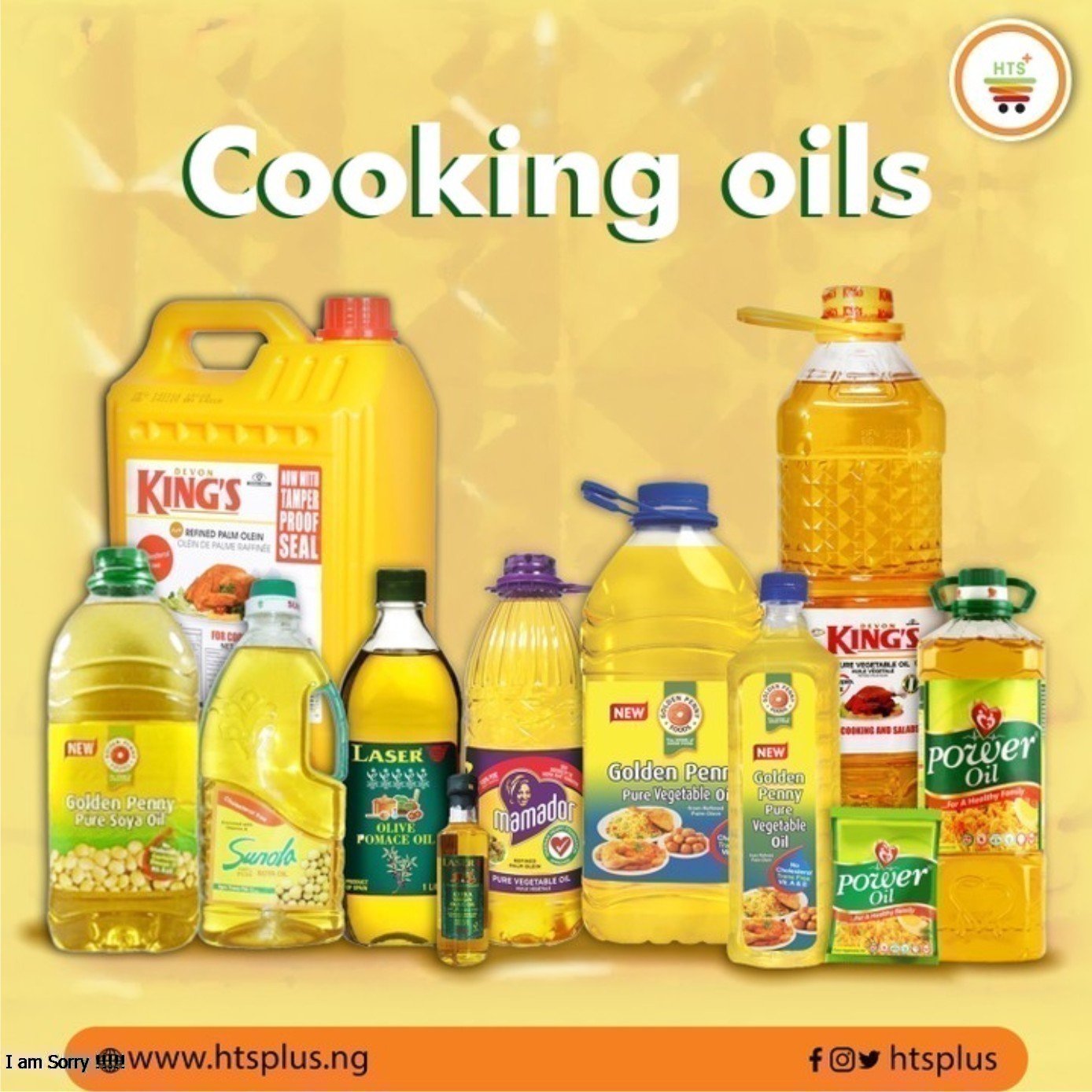
Established companies were the first to recognise this opportunity and scale up aggressively. Firms such as PZ Wilmar Limited have built dominant positions in the refined vegetable oil market with popular brands like Mamador and Devon King, which are household names across Nigeria. Their success has shown that vegetable oil is not just a commodity but a brand-driven consumer product with strong loyalty. Companies like Presco Plc and Okomu Oil Palm Company Plc, which focus on palm oil and palm kernel oil, have also benefited from rising demand, posting strong financial performances in recent years. These firms operate integrated models that span plantations, milling, refining, and packaging, allowing them to control quality and costs while responding quickly to market needs.
Beyond Nigeria, global giants such as AAK Group, Musim Mas, and Wilmar International continue to expand operations across continents, supplying vegetable oils for food, cosmetics, pharmaceuticals, and industrial use. Their investments signal confidence in long-term growth and demonstrate how vegetable oil has evolved into a sophisticated, multi-sector industry. These companies also influence local markets through imports, partnerships, and technical expertise, raising competition and standards across the board.
While established players dominate market share, new entrants are reshaping the competitive landscape. In Nigeria, newer brands such as Sunuola, Famili Pure, Power Oil, and Grand Pure have entered or expanded production, targeting different income segments with varying price points and packaging sizes. Smaller regional producers, particularly in the South-East and South-West, are also investing in refining plants and packaging facilities, often starting with modest capacity and scaling gradually. For many of these companies, vegetable oil offers a relatively fast route to cash flow due to its high turnover and constant demand.
One major reason many companies are producing vegetable oil now is economic pressure and the push for import substitution. Nigeria has spent billions of dollars over the years importing crude palm oil, soybean oil, and other edible oils. With foreign exchange constraints and a weaker naira, importing finished or semi-finished oil products has become more expensive. Producing locally reduces exposure to currency volatility and lowers overall costs. This has encouraged companies that previously focused on trading or distribution to invest directly in processing and refining.
Government policy has also played a role. Restrictions on certain food imports, encouragement of local agro-processing, and incentives for agricultural investment have made domestic production more attractive. Although challenges remain, including access to land, financing, and infrastructure, the policy direction has signalled that local manufacturing is preferred. As a result, companies are positioning themselves early to benefit from future reforms and market protection.
Health awareness is another powerful driver. Consumers are increasingly paying attention to what they eat and how it affects their bodies. This has led to growing demand for refined, cholesterol-free, and vitamin-fortified vegetable oils. Producers now highlight attributes such as Omega-3, Omega-6, and Vitamin E content, as well as low saturation levels. This shift has opened the door for soybean oil, sunflower oil, and blended vegetable oils, alongside traditional palm oil. Companies see an opportunity to differentiate products, justify premium pricing, and appeal to urban, health-conscious consumers.
Industrial demand has further accelerated production. Vegetable oil is no longer used only for cooking. It is a key input in soap manufacturing, cosmetics, pharmaceuticals, animal feed, and increasingly, biofuel production. The global push toward renewable energy and biodiesel has significantly increased demand for oilseeds and vegetable oils. This industrial pull has made vegetable oil production more attractive to investors looking beyond the food sector, further expanding capacity and competition.
Statistics underline the scale of this growth. Global vegetable oil consumption has continued to rise steadily over the past decade, with millions of metric tons added annually. Palm oil alone accounts for over one-third of global vegetable oil consumption, followed by soybean and sunflower oils. In Nigeria, industry estimates suggest that local production meets just over half of national demand, leaving a sizeable deficit that domestic producers are eager to fill. Market surveys consistently show year-on-year growth in sales volume, even during periods of economic slowdown, highlighting vegetable oil’s resilience as a consumer product.
Technology has also lowered barriers to entry. Modern refining equipment, improved storage systems, and better packaging solutions have become more accessible. Companies can now start with smaller plants and scale up as demand grows. Energy solutions such as gas-powered plants and alternative power sources have reduced operating costs, making production more viable even in challenging environments. These improvements explain why companies outside traditional agro-processing are now venturing into vegetable oil manufacturing.
Competition in the sector has intensified as a result. Consumers now have a wider range of choices, from premium branded oils to more affordable options targeted at mass markets. Distributors and retailers benefit from better margins and supply stability, while producers compete on price, quality, packaging, and availability. Marketing campaigns emphasising health benefits, local production, and value for money have become common, reflecting how strategic the product has become.
Despite the opportunities, challenges persist. Access to raw materials remains a concern, especially for palm oil producers facing land constraints and environmental considerations. Price volatility in global oilseed markets can affect profitability, while logistics and infrastructure gaps increase costs. However, the sheer size and stability of demand continue to attract investment, convincing companies that long-term rewards outweigh short-term risks.
In essence, the surge in vegetable oil production is the result of intersecting forces: rising population and consumption, economic realities, health trends, industrial demand, supportive policies, and technological advancement. What was once dominated by a few players has become a crowded, competitive space drawing interest from across the manufacturing spectrum. As companies race to secure their share of this essential market, vegetable oil has emerged not just as a cooking ingredient, but as a strategic product shaping food security, industrial growth, and economic resilience.
By Benprince Ezeh
08068599879
