

-
Despite The Economic Hardship In The Country
Nigeria is passing through one of its toughest economic periods in decades. Inflation has remained stubbornly high, the cost of transportation has soared since the removal of petrol subsidy, electricity tariffs have increased, the naira has weakened significantly, while food prices have continued to rise. For millions of Nigerians, every trip to the market now requires careful budgeting, and many households have cut back on non essential spending.
Yet, one thing has remained surprisingly consistent. Every evening, bars, beer parlours, lounges and roadside relaxation spots across Lagos, Enugu, Port Harcourt, Aba, Benin City, Ibadan, Kano and Abuja continue to attract customers looking for a cold bottle of beer.
Although many now drink fewer bottles than they did a few years ago, beer remains one of the country’s most resilient consumer products. Industry reports show that beer is still the largest category in Nigeria’s alcoholic drinks market. Even in 2024, when inflation sharply reduced consumers’ purchasing power, beer recorded growth in both value and volume, largely driven by more affordable brands as consumers adjusted their spending instead of abandoning the habit altogether.
This resilience is reflected in brewery earnings. An analysis of the financial statements of major listed brewers showed they generated more than N1.54 trillion in revenue from beer and other brewery products during the first nine months of 2025, a sharp increase from the previous year despite economic challenges.
The figures paint an interesting picture. Nigerians may be spending more because of rising prices, but they have not stopped buying beer. Instead, many have changed the way they drink. Some now choose cheaper brands, others buy fewer bottles, while many reserve drinking for weekends instead of every evening.
For many people, beer has become more than just an alcoholic drink. It represents friendship, celebration, relaxation and, for some, a temporary escape from the pressures of daily life.
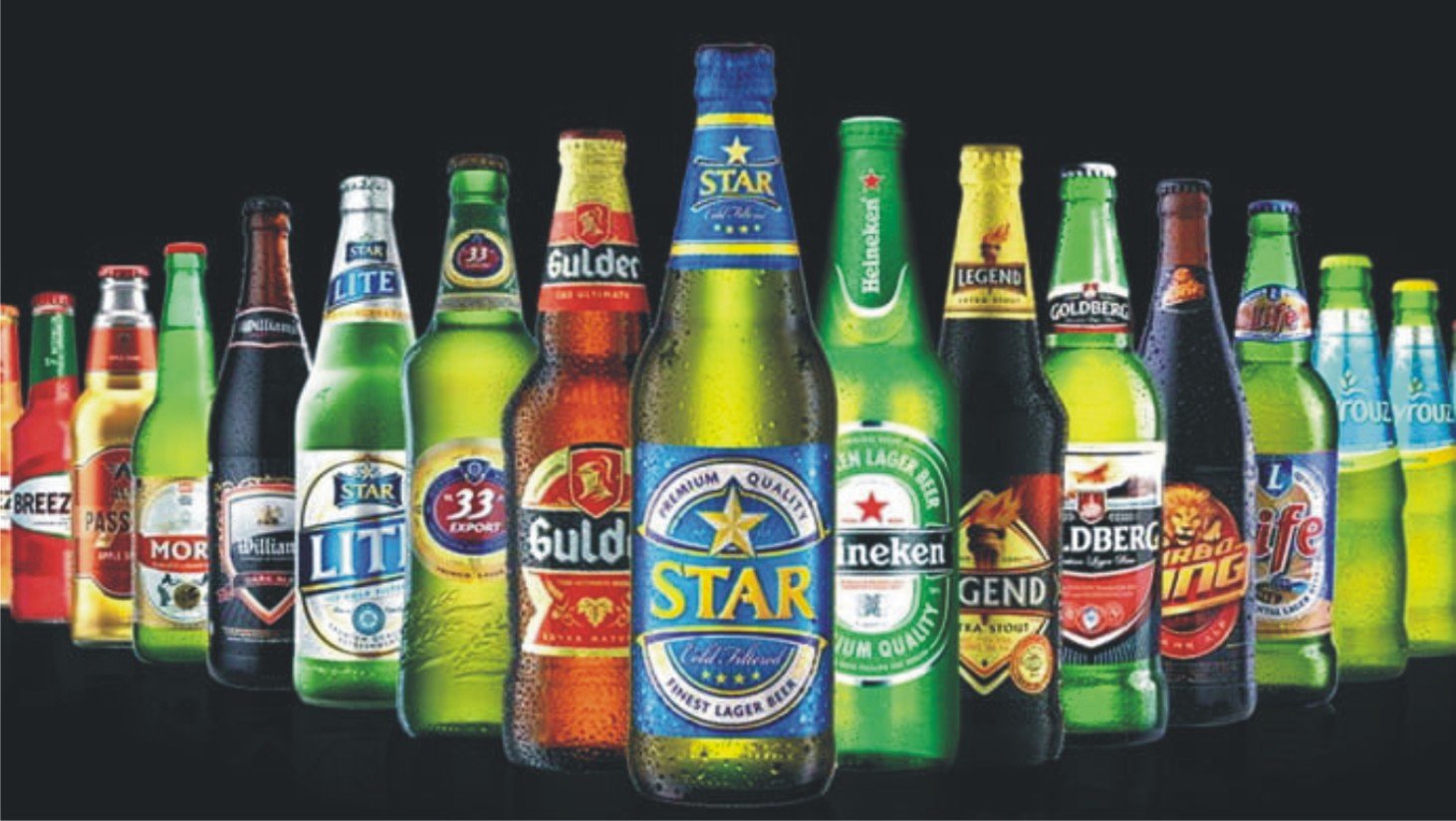
Walk into a viewing centre during an English Premier League match or visit a neighbourhood bar on a Friday evening and the atmosphere tells the story. Groups of friends laugh over bottles of Star Lager, Hero, Trophy, Goldberg, Life Continental, Gulder, Tiger Beer, Budweiser, Heineken, Guinness Foreign Extra Stout, Legend Extra Stout, Desperados, Flying Fish, Castle Lite and Harp Lager. Conversations range from politics to football, business and family life. Many customers admit that while they cannot afford to drink as much as before, they still make room for at least one or two bottles whenever they can.
A civil servant in Ikeja summed it up simply. “It is true that everything is expensive now. School fees have gone up, food is expensive and transport is higher than before. But after working all day, sitting down with one or two bottles helps me relax. It does not solve my problems, but it gives me peace of mind for a while.”
A commercial bus driver in Lagos shared a similar feeling. “The stress on Nigerian roads is enough to frustrate anybody. Sometimes I finish work completely exhausted. When I meet my friends at our usual spot and drink a bottle, I feel relieved.”
A businessman in Onitsha believes beer helps him forget the day’s challenges, even if only briefly.
“Business is not easy anymore. Sales have dropped and expenses keep increasing. If I stay at home thinking about everything, I will not sleep. Coming out to relax with friends makes me feel better.”
Psychologists say such behaviour is not unusual during difficult economic times. People often hold on to relatively affordable pleasures because they provide emotional comfort and help maintain social connections. While they may postpone buying a new phone or travelling, they still spend modest amounts on activities that make them feel normal.
Beer appears to occupy that space for many Nigerians.
In the South East, Hero Lager and Life Continental remain favourites among many consumers because of the brands’ cultural identity and longstanding popularity. Star Lager continues to enjoy nationwide acceptance, while Trophy and Goldberg dominate large parts of the South West. Guinness Foreign Extra Stout remains the preferred choice for many stout lovers, while younger consumers increasingly patronise Tiger Beer, Budweiser, Flying Fish and Desperados.
Beer sellers say customers have become smarter with their spending rather than abandoning the products.
A drinks wholesaler in Mushin explained, “Three years ago, someone could buy five or six bottles without thinking twice. Today, many stop at two or three. They calculate their money carefully, but they still come.”
A bar operator in Enugu agreed, “Weekdays are quieter than before, but weekends are still very busy. People may not drink every day anymore, but Friday, Saturday and Sunday remain our biggest business days.”
Another retailer in Port Harcourt noted, “Some people have moved from premium beers to more affordable brands. Others buy smaller bottles instead of larger ones. The customer is still there. Only the buying pattern has changed.”
The breweries themselves have not been spared by Nigeria’s economic realities. Rising costs of raw materials, transportation, diesel, electricity, packaging and foreign exchange have pushed production costs higher, forcing manufacturers to increase prices several times over the past two years.
Market researchers say beer prices rose significantly in 2024, with average unit prices increasing by about 44 per cent. Even so, economy lager brands continued to perform well because consumers sought cheaper alternatives without giving up beer entirely.
This trend has forced breweries to rethink their strategies. Many have introduced different bottle sizes, strengthened local sourcing of raw materials and intensified marketing campaigns around football, concerts, festivals and cultural events.
A distributor in Ibadan observed, “The companies know Nigerians still want beer, so they are trying to give customers different options depending on their budget.”
Sports continue to play an important role in beer consumption. Whether it is the English Premier League, UEFA Champions League, AFCON or Super Eagles matches, viewing centres across Nigeria remain packed with football lovers.
A Manchester United supporter in Abuja laughed as he explained the connection. “Football and beer go together. Even when my team loses, I still finish my bottle.”
Another football fan in Benin City added, “Most of us come for the match first. The beer just completes the evening.”
Not everyone believes the habit is beneficial.
Some Nigerians argue that alcohol should not become a coping mechanism for hardship.
A secondary school teacher in Kaduna said, “People should be careful not to spend money on beer when their families need food. Times are hard, so priorities matter.”
A medical doctor in Lagos warned against relying on alcohol to deal with emotional stress. “Beer may make someone feel relaxed temporarily, but it does not treat depression or anxiety. Anyone experiencing persistent emotional distress should seek professional help rather than depending on alcohol.”
Religious leaders have also urged moderation.
A pastor in Enugu advised, “There is nothing wrong with relaxing responsibly, but people should not allow alcohol to become their source of hope. Faith, family and community support remain more important.”
An Islamic cleric in Kano echoed the sentiment. “Economic hardship affects everybody. We should encourage one another instead of depending on habits that may create bigger problems.”
Despite such warnings, the social appeal of beer remains strong.
Beer continues to feature prominently at weddings, birthdays, traditional marriages, naming ceremonies, burials, chieftaincy celebrations and festive gatherings. In many communities, offering guests bottles of beer is still regarded as a sign of hospitality and respect.
An event planner in Lagos explained, “No matter how much prices go up, people still budget for drinks during ceremonies. They may reduce the quantity, but beer is almost always part of the celebration.”
Even younger adults, many of whom are struggling with unemployment or rising living costs, continue to make beer part of their social lives.
A graduate in Aba said, “Sometimes all five of us contribute money to buy a few bottles. The important thing is spending time together.”
A fashion designer in Port Harcourt shared a similar view. “Beer is not just about drinking. It is about conversation, friendship and forgetting the week’s stress.”
Industry analysts believe Nigeria’s youthful population, vibrant entertainment culture and deep rooted social traditions will continue to support beer consumption, even if economic conditions remain difficult. Forecasts suggest beer demand could strengthen further as consumer incomes improve, while breweries are expected to continue expanding the use of locally sourced ingredients to reduce production costs.
The Nigerian beer market has shown remarkable resilience over the past two years. While inflation has forced consumers to cut back, it has not erased the country’s long standing beer culture. Instead, Nigerians have adapted. They buy fewer bottles, switch brands, drink less frequently and look for better value, but many have refused to give up the simple pleasure of sharing a drink with friends after a long day.
As one retiree quietly reflected while holding a bottle at a neighbourhood beer parlour in Surulere, “Life is already hard enough. If one bottle helps me laugh with my friends for an hour, then that hour is worth something.”
That single statement perhaps best explains why, despite rising prices and shrinking household incomes, beer continues to hold its place in the lives of millions of Nigerians. For many, it is no longer just a beverage. It is companionship, relaxation, celebration and, in difficult times, a brief moment of escape before the realities of another day return.
By Benprince Ezeh
08068599879
