


We all know coffee, energy drinks, and certain sodas contain Caffeine. This stimulating substance—which can be natural or synthetic—can show up in many surprising sources, like decaf coffee, matcha, kombucha, and chocolate. It’s not always clear whether a product has caffeine or how much it contains. Many people use caffeine to boost their energy every day. A lot of people, 85% of the population drinks at least one caffeinated beverage a day, mainly in the form of coffee.
Caffeine is a psychoactive stimulant drug. It speeds up your central nervous system to help you feel more awake and alert.
The central nervous system is made up of the brain and spinal cord. It controls memory, movement, concentration, and the five senses.
Caffeine is naturally present in the seeds, leaves, and nuts of several plants, including cacao and coffee beans, guarana seeds, and tea leaves. These plants also contain other nutrients and compounds like antioxidants.
Natural sources of caffeine commonly include: Brewed tea, Certain energy and soft drinks, Coffee or espresso,
Cocoa, Yerba mate.
Synthetic caffeine is manufactured in a lab rather than derived from plants. It’s often found in a variety of prepackaged foods and drinks.
When used in moderation, caffeine is generally a safe way to boost energy, concentration, and athletic performance. Most adults can safely consume up to 400 milligrams of caffeine a day (about 4-5 cups of coffee). Depending on the brand and how it’s prepared, a cup of coffee may have about 95 milligrams of caffeine.
How the body responds to caffeine can vary from person to person. Consuming more than 400 milligrams of caffeine can cause side effects, such as: Anxiety, Dehydration, Dizziness, Elevated blood pressure, Headaches.
Heart palpitations, Insomnia, Restlessness.
It can be hard to know how much caffeine you are consuming each day. Many food manufacturers add caffeine content to their product labels. The Food and Drug Administration (FDA) does not require them to do so. Many products may not outwardly seem caffeinated but still contain the stimulant. It’s important to know what unexpected foods contain caffeine.
Chocolate is derived from naturally caffeinated cacao beans. It can contain varying amounts of caffeine. The type of chocolate matters here. A higher percentage of cacao in chocolate means that it has more caffeine. Dark chocolate is more caffeinated because it’s made with a higher cacao content, which usually varies between 45- 85% cacao. Milk chocolate has a lower amount of caffeine. It generally contains 10-30% cacao. White chocolate on its own usually has no caffeine because it’s not made with any cacao. Other chocolate-based products will also contain some of the caffeine that comes from cacao beans. Hot chocolate, chocolate pudding, and chocolate-flavored cereals will have smaller amounts of caffeine. They are typically mixed with other non-caffeinated ingredients.
Don’t let the name trick you: “Decaf” does not mean zero caffeine. The FDA requires decaffeinated coffee manufacturers to strip away 97% of the caffeine from coffee beans to market their products as decaf. That said, decaf coffee will still contain small, varying amounts of caffeine. An 8-ounce cup of decaf coffee might contain 2-15 milligrams of caffeine. How much caffeine is in your cup of decaf depends on how it’s prepared. Additional sweeteners or flavors can increase the caffeine content. Decaf coffee drinkers can still reap some of the benefits associated with regular coffee but at a fraction of the caffeine content. Research has shown that drinking either decaf or caffeinated coffee helps lower type 2 diabetes risk. The antioxidants in regular coffee that help prevent disease may also still be present in decaf options.
Japanese matcha, like green tea, is derived from the leaves of the Camellia sinensis plant but comes in a powdered form. Most brewed teas are made by steeping tea leaves in water. Matcha powder uses the whole tea leaf, hence the green color. Other brewed green teas can contain about 29 milligrams of caffeine per cup. Matcha contains a bit more at 19-44 milligrams of caffeine per gram, or up to 88 milligrams per teaspoon serving of powder. Matcha powder is also commonly added to baked goods, ice creams, and lattes. These may also contain caffeine. People report drinking matcha makes them feel calmer and less jittery despite having a caffeine content similar to a cup of coffee. This could be due to an amino acid found in matcha powder called L-theanine that helps reduce stress and anxiety.
On-the-go protein or energy bars are often high in calories and carbohydrates. They typically include ingredients such as dried fruits, nuts, and other sweeteners. Snack bars could also contain varying amounts of caffeine. The caffeine may come from small amounts of ground coffee beans, matcha and green tea extract, yerba mate, or cacao. Protein or energy bars explicitly state how much caffeine they contain, especially if they are coffee-flavored. Most bars usually have less than 10 milligrams of caffeine. This number may change based on the added flavors and ingredients in each type of bar.
Most ice creams typically have small amounts of caffeine. The addition of milk, cream, and sugar to ice cream dilutes most of the caffeinated ingredients. There’s a slight exception here. Coffee, mocha, or chocolate-flavored ice creams tend to have a higher caffeine content because they are made with coffee and cacao beans.
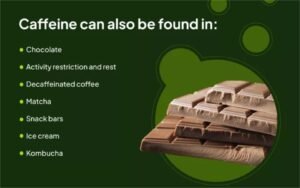
Kombucha is a type of fermented tea made from black, green, and sometimes oolong tea—all of which naturally contain caffeine. The amount of caffeine in kombucha varies based on how it’s made. It tends to decrease during the fermentation process. Some kombuchas can contain 5-15 milligrams of caffeine per serving. You might notice higher amounts of caffeine in certain types, especially if they contain an added source of natural caffeine. Kombucha may contain green coffee bean extract or black tea leaves.
Pre-workout supplements, commonly known as just “pre-workouts,” are multi-ingredient supplements. They are meant to be taken before working out to boost energy and performance. The ingredients of a pre-workout generally include caffeine, creatine, and amino acids. Most formulas come in powder form and are mixed in water. Pre-workouts can contain a lot of caffeine. Some brands can have 400 milligrams of caffeine per serving, which is the daily recommended limit. These supplements are not monitored by the FDA, so the caffeine content may not be entirely accurate. Pre-workouts can sometimes contain more or less caffeine than advertised.
Dietary supplements are minimally regulated by the FDA and may or may not be suitable for you. The effects of supplements vary from person to person and depend on many variables, including type, dosage, frequency of use, and interactions with current medications. Please speak with your healthcare provider or pharmacist before starting any supplements.
Cola sodas, which are typically darker in color than non-cola sodas, contain caffeine. Some lighter sodas, like orange or lemon-lime sodas, also have caffeine. Several types of cola and non-cola sodas were previously made from kola nuts, which naturally contain caffeine. Modern manufacturers use synthetic caffeine, artificial flavorings, and added sugars. Drinking soda from time to time is okay. You may want to consider alternatives if you are looking for an energy boost.
Several over-the-counter (OTC) brands of ibuprofen and aspirin contain some amounts of caffeine. Caffeine may play a role in pain relief. It can temporarily reduce blood flow to alleviate pain in your body. This effect is one reason certain medications contain the stimulant. The amount of caffeine can range between 100-150 milligrams per two-tablet dose. Only take medications as directed on the bottle or as advised by a healthcare provider.
Common sources of caffeine include coffee or tea. Several other foods and drinks can contain caffeine. As a stimulant drug, caffeine can bring you a jolt of energy and an increase in focus. Use caffeine in moderation for optimal benefits. You can generally consume up to 400 milligrams of caffeine a day. You may need to reduce your intake if you are pregnant, breastfeeding, or sensitive to caffeine. Talk with a healthcare provider about a daily limit that’s safe and healthy for you.
health.com
