

-
The Story Of The 2 Energy Drinks Brand
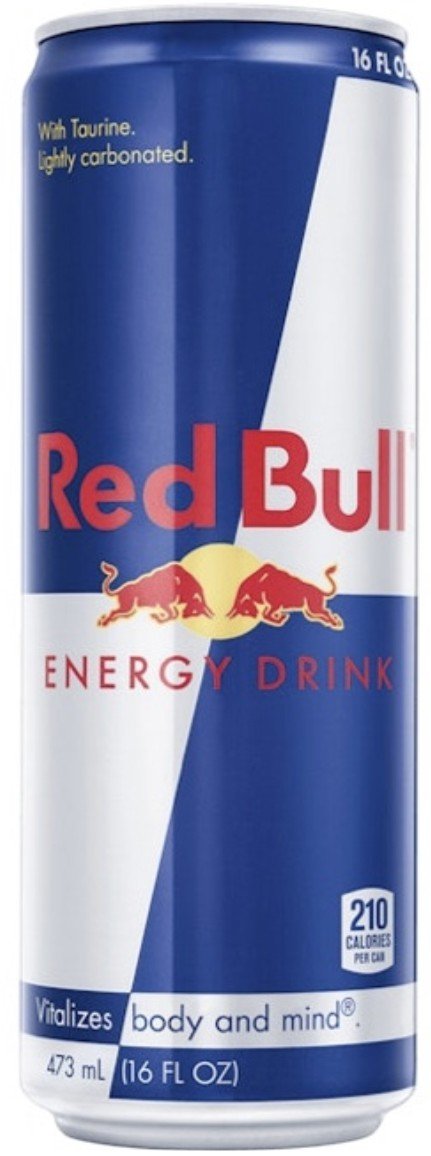
RED BULL
Produced by: Red Bull GmbH, an Austrian company. Red Bull is one of the most famous energy drink brands in the world, originally launched in Austria in 1987 and has since expanded globally, including into markets like Nigeria.
Red Bull entered Nigeria Around 2004–2005. Red Bull came in through importers and distributors, mainly targeting urban centers like Lagos and Abuja. It was positioned as a premium energy drink, popular in clubs, gyms, and high end stores.
POWER HORSE
Produced by: Spitz Austria (under the brand Power Horse Energy Drinks GmbH). Power Horse was originally introduced by Austrian beverage manufacturer Spitz in 1992 and has grown to be sold in many countries, especially in the Middle East and Africa. Power Horse entered Nigeria: Around 2013–2014.
Power Horse expanded aggressively into African markets, including Nigeria, during this period.
It gained popularity because it was slightly cheaper than Red Bull and offered a strong energy boost.
Here’s why Power Horse and Red Bull have become less visible or harder to find in Nigeria’s market compared with cheaper local brands:
(1) Higher Price & Premium Positioning: Red Bull and Power Horse are imported and positioned as premium products, meaning their prices are significantly higher than local alternatives. In a market where many consumers are price-sensitive, especially during economic challenges, cheaper local options are preferred.
(2) Strong Competition from Cheaper Local Brands: Local brands like Fearless, Predator, and others have aggressively captured market share by offering: Lower prices- Pet bottle or sachet packaging
Wide distribution even in small roadside shops
This has made these cheaper brands much more visible to average Nigerian consumers, pushing more expensive imports off the shelves in many outlets.
(3) Distribution Challenges:Imported brands often rely on more complex supply chains and importation costs, which can limit how widely and consistently they are stocked — especially in rural or lower-income urban areas. Local energy drinks, produced within Nigeria, can be distributed more easily and cheaply to more retail points.
- Economic Factors & Foreign Exchange Pressure: Because Red Bull and Power Horse are imported, their prices are sensitive to foreign exchange fluctuations and import costs. When the economy is unstable, these costs rise, making the drinks even more expensive for both retailers and consumers. Cheaper local alternatives become more attractive.
(5) Market Share Shift & Local Preference: As local brands like Fearless grow in popularity, they capture larger portions of the market share sometimes pushing older imported brands out of mainstream consumer awareness. Even if Red Bull and Power Horse are still sold in some places, they’re much less visible among the everyday choices of most consumers.
IN SUMMARY:
Imported brands like Red Bull and Power Horse are still known, but they’ve become less visible in everyday retail because they are more expensive and less widely distributed compared with cheaper, locally made energy drinks.
Economic factors, pricing, and strong local competition have reshaped what most Nigerians see and buy on store shelves.
Written By Bethel Olaje
