

-
What City People Found Out In The Market
A palpable shift is happening in Nigeria’s biggest phone and electronics markets, particularly at Computer Village and Alaba International Market in Lagos, as prices of mobile phones and other electronic gadgets that once seemed unreachably high are now dropping significantly. For years, high prices left many Nigerians choosing between food and gadgets.
But in recent months, locals say what they have seen on the streets and on price tags is unexpected, a real crash in tech prices that many did not believe would happen so soon.
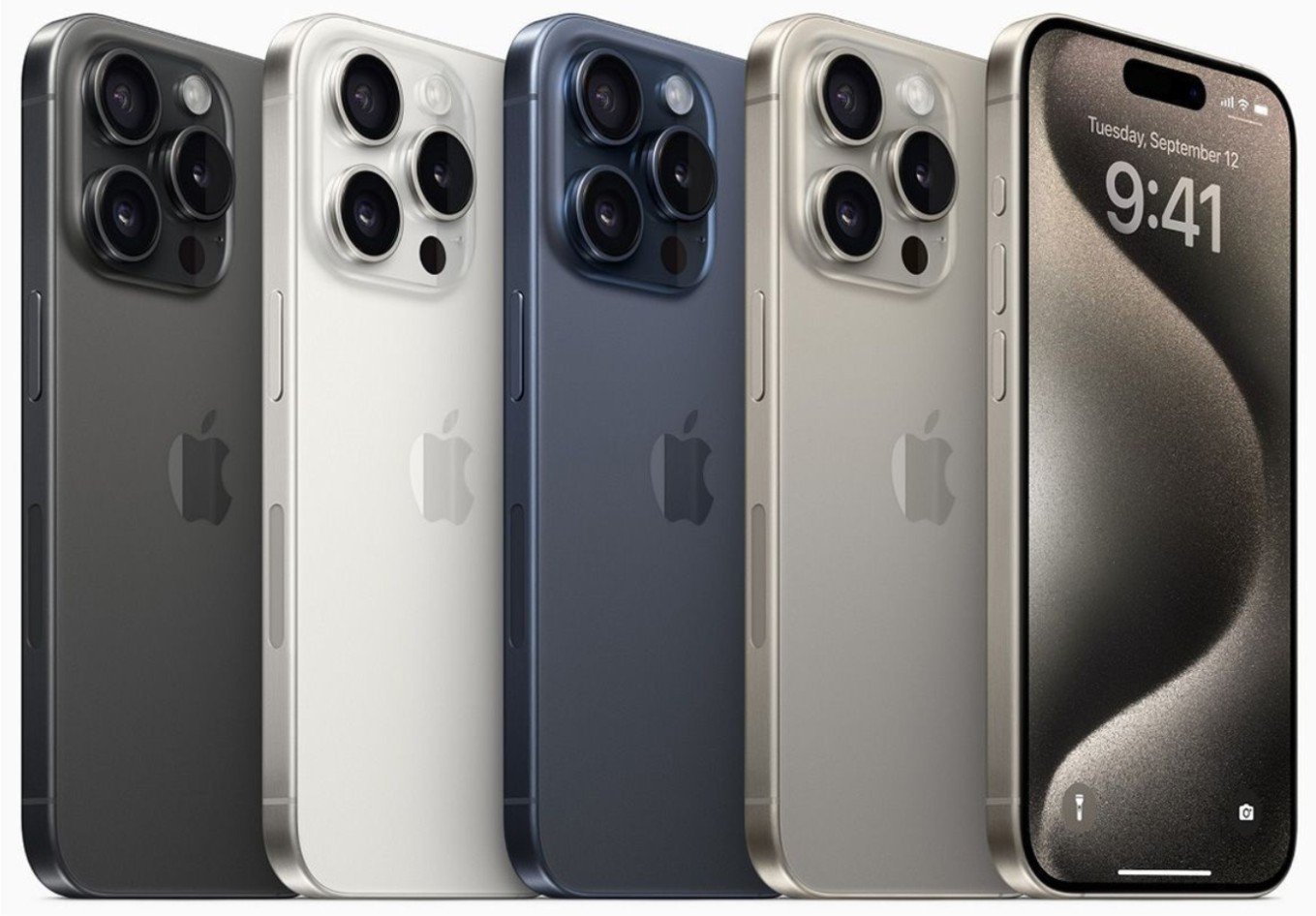
Not too long ago, flagship phones were considered luxuries for the fortunate. In mid 2025, a brand new iPhone 13, which many Nigerians used as a benchmark for expensive phones, was selling for around ¦ 520,000 in markets like Computer Village and Saka Tinubu. Dealers quoted this figure repeatedly to buyers, positioning it as the price of quality Apple without going too high. Today, that same iPhone 13 model is often sold around ¦ 240,000 to ¦ 300,000, which represents over 35 percent lower than it was months earlier. What used to require serious savings or installment arrangements can now be paid for outright by more middle income earners.
Similarly, Samsung phones, once costing upwards of ¦ 550,000 for recent models, have seen drops of around 40 percent or more in the open market. Devices that sold for half a million naira or more in 2023 and 2024 are now going for between ¦ 300,000 and ¦ 400,000 depending on condition and storage capacity. Even some newer Samsung Galaxy S series models that crossed ¦ 600,000 at the peak of exchange rate instability are now far below those figures.
Other electronics from tablets and laptops to accessories have also seen notable price corrections. In Alaba Market, sellers report that Bluetooth speakers, home theatre systems, smart televisions, game consoles, and even solar inverters and generators that rely on imported components are no longer priced at the frightening levels seen during the currency crisis period. Laptop prices that climbed above ¦ 800,000 for mid range brands in 2024 have dropped by 20 to 30 percent in many cases. Some fairly used laptops that were once above ¦ 450,000 now sell closer to ¦ 300,000. Smart televisions that crossed ¦ 900,000 during the height of exchange rate volatility are now available for hundreds of thousands less depending on brand and size. PlayStation consoles that once approached ¦ 1 million at the height of scarcity are now far below that threshold.
From 2023 to now, the big picture on prices tells a dramatic story. In 2023, when the foreign exchange market was liberalized and the naira began to float more freely, the currency depreciated sharply. Importers struggled to access dollars at official rates and resorted to parallel market sourcing. This pushed up the landing cost of virtually every electronic device in Nigeria because most phones and gadgets are imported. By late 2023 and throughout 2024, many electronics had doubled in price compared to 2022 levels. It was not unusual to see a phone that cost ¦ 250,000 in 2022 selling for over ¦ 450,000 or ¦ 500,000 in 2024.
Data from the Nigeria Bureau of Statistics, NBS, supports the broader economic context behind this rise and the current decline. According to the Bureau’s Consumer Price Index reports, headline inflation rose from 21.82 percent in January 2023 to above 28 percent by the end of that year and later crossed the 30 percent mark in 2024. Core inflation, which captures non food items including imported goods such as phones, laptops, televisions, and other electronics, also surged during that period. The Bureau consistently noted that exchange rate pass through was a major driver of rising prices for imported products. As the naira weakened, the cost of electronics rose sharply.
However, more recent data from the, NBS shows that while inflation remains elevated, the pace of increase in some imported goods has slowed compared to the peak period of 2024. Exchange rate stability in parts of late 2025 contributed to easing pressure on imported items. When the naira began to gain modest ground against the dollar after trading at historic lows, importers were able to restock at slightly better rates. Even a difference of ¦ 50 to ¦ 100 per dollar can significantly affect final retail prices when multiplied across thousands of units.
At Computer Village, where thousands of tech vendors operate daily, the mood is a mixture of relief and caution. Chinedu, a dealer along Otigba Street, told City People, “People no dey buy like before. But the good news is we dey reduce price so market go move. Last year, people preferred new phones, but now buyers dey ask for older models or used devices because that’s all most people fit afford.”
Another vendor, Aisha, explained further. “We had phones we bought for high dollar before. Now the naira dey stable small, wholesalers dey drop new stock, and we wan sell our old stock, so we reduce price to make people buy. If you no reduce, your neighbour go reduce and collect your customer.”
Their comments show that beyond exchange rates, competition is playing a major role. Computer Village is highly competitive. Hundreds of shops can be selling the same iPhone or Samsung model. When one trader cuts price to attract customers, others quickly follow to avoid losing sales. Profit margins have become thinner, but volume is slowly improving.
Over in Alaba International Market, sellers noted a similar trend. Victor, who sells both phones and tablets, told City People, “Fewer buyers are ready to spend big. People dey look for cheap deals, so we reduce prices. Old Samsung and iPhones wey dey here before, people now dey ask for less. If you insist on old price, you will hold your goods for long.”
Another electronics dealer in Alaba who sells televisions and sound systems added, “During the dollar crisis, we increased prices almost every week because suppliers increased for us. Now we cannot continue like that. Demand is low. People are focusing on food and school fees. To survive, we must adjust.”
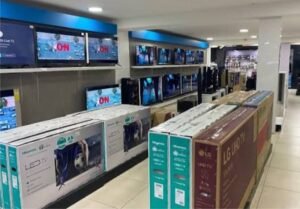
Buyers are also feeling the difference. Emeka, a 27 year old buyer in Alaba Market, said, “I used to think iPhone na something only rich people fit afford. Now I see the same phone I couldn’t buy last year going for almost half price. At least now I can plan.”
Halima, who recently bought a Samsung device, said, “When I came here last month, I saw Samsung phones at ¦ 300,000 with good battery health. I fit pay for that. Before, the same model was over ¦ 500,000. That time I just left the market.”
Beyond Lagos, similar stories are emerging from other parts of the country. In Abuja, particularly in Wuse and Garki where phone dealers cluster, traders confirm that prices are no longer as stiff as they were during the peak of exchange rate instability. Musa, a phone seller in Wuse Market, told City People, “Last year customers will price and walk away because the amount was too high. Now we are seeing more serious buyers. Even iPhone 13 wey be over ¦ 500,000 before is now much lower. That encourages movement.”
Another Abuja based retailer said, “The crash no be magic. Dollar calm down small and demand reduce. We had to review our pricing. Some of us were even stuck with old stock we bought at very high rates. To recover our money, we reduced prices gradually.”
Buyers in Abuja share the same sentiment. A civil servant who identified herself as Grace said, “I postponed buying a new phone throughout 2024 because it didn’t make sense financially. When I checked again recently, I was surprised the same model had dropped significantly. That is when I decided to buy.”
In Enugu, traders at major electronics hubs such as Ogbete Main Market are reporting similar trends. Chukwudi, a dealer in Enugu, said, “Phones really cost too much in 2024. Customers complained every day. Now prices don’t scare people the same way. We have reduced Samsung and iPhone prices by large margins compared to last year.”
A buyer in Enugu, Ngozi, explained, “My daughter needed a better phone for school and online classes. Last year the price was too high. When we checked again this year, it was far lower. That made the decision easier.”
The role of the naira cannot be ignored. Phones and most electronics are imported from Asia, Europe, and America. Importers pay in dollars. When the naira depreciated sharply between 2023 and 2024, moving from below ¦ 500 per dollar in early 2023 to well above ¦ 1,000 and at some points near ¦ 1,500 per dollar in the parallel market, the naira cost of goods purchased in dollars skyrocketed. Retailers passed the cost directly to consumers.
As the naira began to stabilise and appreciate modestly in late 2025, trading more steadily rather than swinging wildly, importers found some breathing space. While the currency has not returned to earlier levels, improved stability and better access to foreign exchange have helped reduce panic driven pricing.
NBS trade data also indicates fluctuations in import values over the past two years. When import costs surged, many traders cut back on volume to avoid being trapped with overpriced inventory. Now that costs are slightly lower and more predictable, traders are restocking and competing aggressively, which further pushes prices down.
Another major factor behind the crash is the rise of the fairly used and refurbished market. Many Nigerians now prefer UK used or refurbished phones, which are significantly cheaper than brand new devices. This has expanded supply and put downward pressure on prices of both new and used devices. When a fairly used iPhone 13 is available around ¦ 250,000, sellers of brand new units must reconsider their margins.
There is also the impact of global technology cycles. As newer phone models are released internationally, older models naturally depreciate. During the worst of the exchange rate crisis, currency losses overshadowed this normal depreciation. Now that exchange rate pressures have eased slightly, global price reductions are once again visible in Nigeria.
Inflation data from the NBS indicates that although food inflation remains a major burden, core inflation has shown signs of moderating compared to its peak levels. This moderation contributes to easing price pressures on non food imported items including electronics.
For the average Nigerian, the meaning of these statistics is practical. Phones that were once far out of reach are becoming more accessible. Small business owners who rely on smartphones for online sales, digital banking, and communication can now upgrade at more manageable costs. Students who require devices for assignments, research, and online registration are finding better options within their budgets.
Yet traders and analysts caution that the market remains sensitive. If the naira weakens again or if global supply chains are disrupted, prices could rise once more. Nigeria’s heavy dependence on imported electronics means local prices will continue to reflect global and currency conditions.
For now, however, in Lagos, Abuja, Enugu, and beyond, the evidence is visible in shop windows and price tags. After years of relentless increases documented in inflation reports by the NBS, the downward adjustment in phone and electronics prices is offering a measure of relief. Traders are adjusting, buyers are cautiously returning, and the once intimidating cost of owning quality gadgets is gradually becoming less overwhelming for many Nigerians.
By Benprince Ezeh
08068599879
