

-
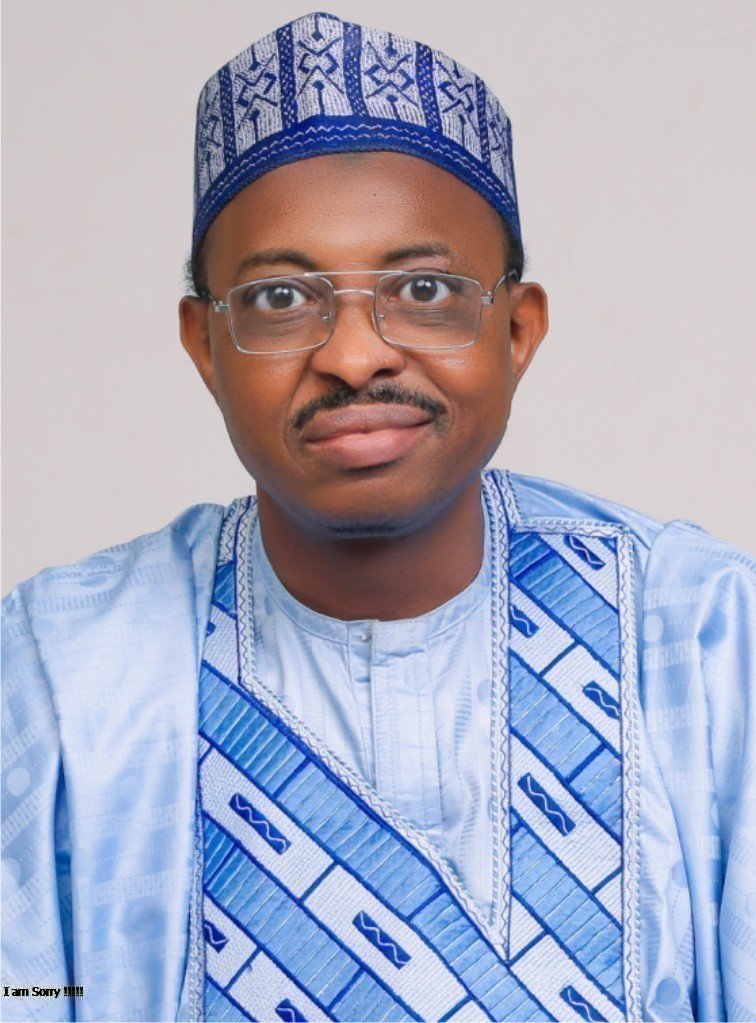
National Chairman, SADIQ UMAR ABUBAKAR
As Nigeria inches closer to the 2027 general elections, political realignments, ideological debates, and calls for reform are once again shaping national conversations. In this exclusive interview with City People Reporter, JAMIU ABUBAKAR (08085185886), the National Chairman of the Social Democratic Party (SDP), Dr. Sadiq Umar Abubakar Gombe, reflects on the party’s roots, its ideological continuity from 1993, its performance since registration in the Fourth Republic, and why he believes the SDP represents a credible alternative for Nigeria’s future.
How is the SDP faring, and is it still the same SDP of 1993?
In terms of ideology, principles, and ethics, the SDP of today remains firmly rooted in the same foundation as the SDP of 1993. The party was built on social justice, equity, fairness, and the positive development of Nigeria. Those principles have not changed.
The only difference lies in its origin. The SDP of 1993 was created under the military administration of Ibrahim Babangida, alongside the NRC. After the annulment of June 12 and subsequent political developments, the parties were proscribed.
At the advent of the Fourth Republic in 1999, many of us who were progressive-minded politicians and members of the old SDP came together to revive the party. Our first task was to register it with INEC as a legitimate political party under a democratic constitution.
We applied for registration in 2009, and by the grace of God, in 2010, the SDP was officially registered to contest the 2011 general elections. I chaired the registration committee alongside distinguished Nigerians, including Professor Pat Utomi.
Professor Utomi became the Pro-Tem National Chairman, while I served as Pro-Tem National Secretary. In 2013, we held our first national convention to elect substantive officers. Chief Olu Falae emerged as National Chairman, and I was elected National Secretary.
That was the beginning of the SDP as a constitutionally registered democratic party — not one created by military decree, but one reborn through democratic processes. Ideologically, however, we remain committed to welfarism, good governance, and a corruption-free society.
Sixteen years after registration, how would you assess the party’s performance?
We have performed fairly well, especially considering the political landscape. When we were registered in 2010, parties like the PDP, ANPP, and AD — and later the APC — had already controlled federal and state governments for years.
Despite starting later, we have presented ourselves as a credible alternative platform. We have won senatorial seats, House of Representatives positions, chairmanships, councillorships, and secured representation in both chambers of the National Assembly and in several state assemblies.
Considering that the SDP, under its current name, has been fully active since 2013, our growth in just over a decade is commendable. Nigerians are increasingly recognizing the SDP as one of the few parties that still uphold clear ideological principles.
What is the SDP’s rescue mission for Nigeria?
Nigeria is in dire need of credible leadership, good governance, and a corruption-free society. Governance should be about service and welfare. Across the world, government exists to improve the lives of its citizens — not to personalize state resources.
Today, many Nigerians are burdened by hardship. Subsidies have been removed across sectors, taxes are increasing, yet the common citizen struggles to see tangible benefits. This is not sustainable.
The SDP believes in welfare-driven governance — a system where the state consciously works to uplift the majority. Nigerians are resilient and remarkable people. What they need is leadership that is accountable, transparent, and service-oriented.
We also believe elite consensus is critical. As Nelson Mandela often emphasized, Africa’s global respect depends significantly on Nigeria taking its rightful leadership position. When Nigeria gets it right, the Black race globally commands greater respect.
The SDP offers ideological clarity and a governance culture rooted in fairness, justice, and national development. Nigerians are beginning to align with this vision.
You’ve raised concerns about the legislature. What exactly is the problem?
The defining feature of democracy is the legislature — the law-making arm of government. It aggregates the needs and aspirations of the people through public hearings and deliberations.
Unfortunately, we have seen instances where outcomes of legislative processes are allegedly altered or influenced in ways that do not reflect public input. Laws such as tax reforms and electoral amendments have generated controversy.
This undermines democratic integrity. Governance must not be treated as a personal enterprise. When citizens protest against unpopular policies and their voices are ignored, democracy is weakened.
Nigerians must stand up for accountability and insist that governance serves the people — not a select few.
The 2027 general elections are approaching. How prepared is the SDP?
We are fully prepared.
More importantly, Nigerians themselves are prepared. They understand the direction the country is headed and the urgent need for change. If current patterns of governance continue unchecked, the consequences could be severe.
The SDP is ready for what we call the rescue mission for Nigeria. We are organizing, mobilizing, and strengthening our structures nationwide.
By the grace of God, come 2027, the SDP will be one of the parties to beat. We are confident that Nigerians will seize the opportunity to restore the country to a path of justice, prosperity, and responsible leadership.
