

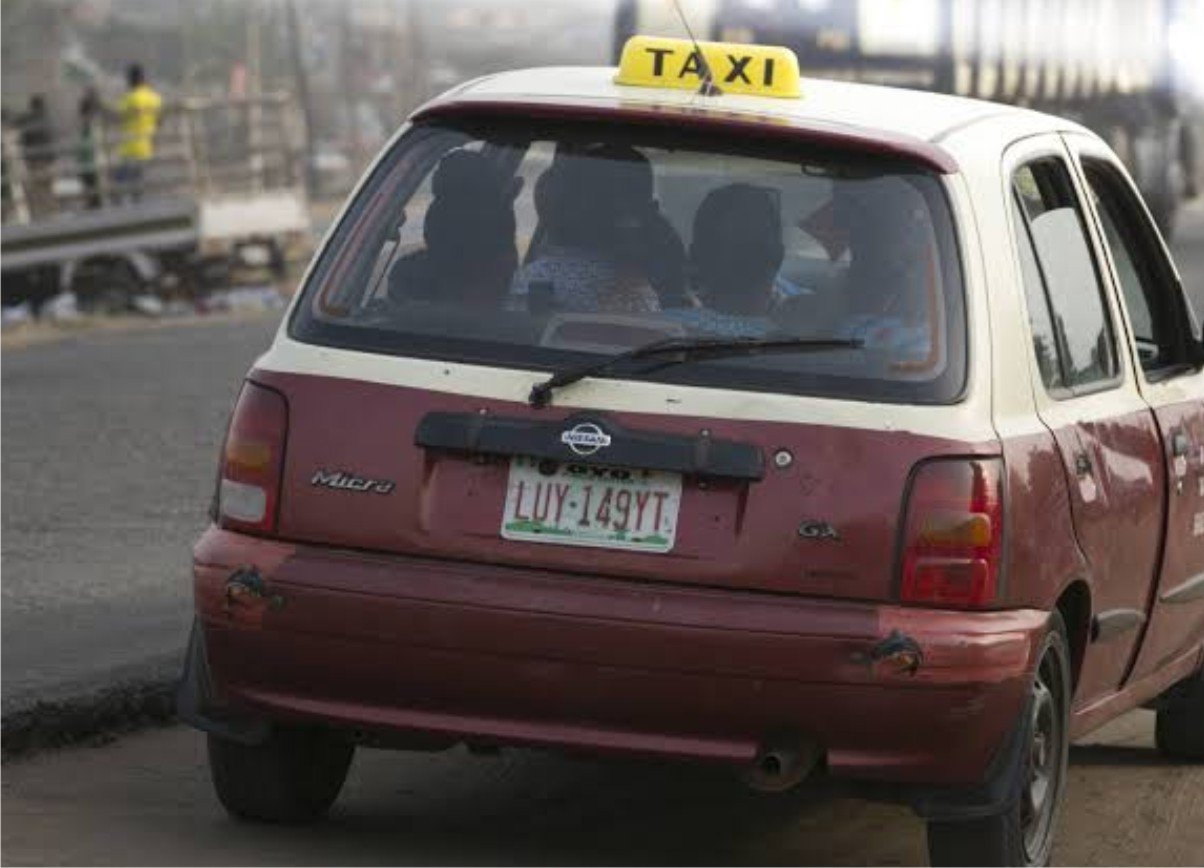
The Micra that now throngs the roads of Ibadan were mostly used/imported cars — originally sold in Europe, Asia or other markets, then brought in through importers and motor-dealers. Over time, many of these imported Micras (locally called “Tokunbo”) made their way into the hands of drivers and small-scale transport entrepreneurs.
According to local transport commentaries, the proliferation of the Micra as taxi did not happen overnight — but picked up in the early 2000s, when economic pressures made cheap, efficient transport urgently needed.
Once some early adopters began using Micras for commercial transport and publicised the economic advantages (fuel savings, low maintenance cost, good returns), others followed — and demand for Micra taxis increased rapidly.
WHAT MAKES THE MICRA ATTRACTIVE TO DRIVERS & COMMUTERS
Drivers and transport-stakeholders in Ibadan cite several strong practical reasons why the Micra stood out — and persists — as the go-to vehicle for taxi services:
Fuel efficiency & low operational cost: The Micra’s small engine and light frame give it very good fuel economy, making it cheaper to run per day. For many drivers, this translates into lower fuel spend and higher net earnings.
Low acquisition cost (compared to larger cars): Because many of the Micras on the road are used imports, they tend to be significantly cheaper than buying a newer or bigger sedan/saloon. This lowers the barrier for entry into commercial driving for lower-income drivers.
Ease of maintenance & spare-part availability: The mechanical simplicity of the Micra — small engine, uncomplicated build — plus its popularity among local mechanics means parts are easier to get and repairs tend to be less expensive and faster.
Maneuverability for city traffic & narrow roads: Ibadan’s traffic, congested inner-city roads, and frequent gridlocks make a small, nimble car ideal. The Micra’s size allows drivers to weave through tight spaces — a major advantage over larger taxis or buses.
Profitability / Higher earnings potential: With lower daily running costs and numerous short-distance trips (typical in city taxi services), Micra drivers can often earn more than many of their peers using larger or less fuel-efficient vehicles.
Because of these advantages, many who started as bus-drivers or with bigger cars reportedly sold or converted to Micra driving — effectively creating a shift in Ibadan’s commercial-transport ecosystem.
HOW MICRA BECAME A LOCAL IDENTITY AND NOT JUST A CAR
Over time, the Micra has moved from being “just another used car” to becoming part of Ibadan’s urban identity:
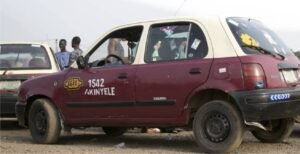
Many accounts describe the Micra as the “unofficial taxi” of Ibadan — ubiquitous on routes across the city, with local recognition by both riders and pedestrians.
Its paint schemes (commonly yellow or wine/red-yellow, depending on operator associations) and the frequency with which it appears on the streets make it immediately recognizable — for many visitors, seeing a “Micra taxi” signals you’re in Ibadan.
For commuters without personal cars, the Micra has become a go-to for inexpensive, accessible intra-city transport. This accessibility — driven mostly by economics — ensures continued demand.
While the Micra’s dominance has clear economic advantages — especially for drivers — the phenomenon has also generated serious concerns:
Safety & reckless driving concerns: Because the Micra is light, small and easy to manoeuvre, many drivers reportedly weave through tight spaces, sometimes dangerously. There have been complaints about reckless driving, overloading, and increased risk of accidents.
Overloading & comfort issues: Reports from passengers and observers note that Micras are often overcrowded — sometimes carrying more people (or cargo) than is safe or comfortable.
Regulation and organisation problems: According to some sources, the emergence of a vast number of informal drivers using Micras created difficulties for formal regulation, oversight, and enforcement of transport-related laws.
Negative public perception for some: Because of accidents, reckless behavior, and overcrowding, some residents express distrust or fear about riding in Micra taxis—especially at night or on certain routes.
In short — while the Micra offered a lifeline to many drivers and affordable transport to many commuters, its rapid rise also exposed infrastructural, regulatory and safety gaps.
WHAT THE MICRA STORY REFLECTS ABOUT URBAN TRANSPORT & ECONOMIC REALITIES
The dominance of the Micra in Ibadan is not simply about one car model — it speaks to broader economic and social dynamics in Nigerian cities:
Informal economy & survival strategies: For many young men, owning or hiring a Micra became a realistic way to earn daily income. As formal jobs remain scarce, commercial driving with cheap-to-run cars becomes a surer bet.
Adaptability to fuel price fluctuations and economic pressure: As fuel prices rise and the cost of owning/maintaining large or new cars increases, smaller, fuel-efficient, low-maintenance cars like Micra become more attractive — both for drivers and private owners.
Urban mobility under constrained infrastructure: In cities like Ibadan, where road conditions, congestion, and traffic are major issues, small hatchbacks provide a pragmatic solution for moving people quickly. The Micra story shows how transport solutions emerge from necessity, not just planning.
Local culture & identity formation: Over time, what began as a practical choice morphed into cultural symbolism — the Micra came to represent Ibadan’s urban mobility, with all its colours, challenges, and memories.
-Jamiu Abubakar
