

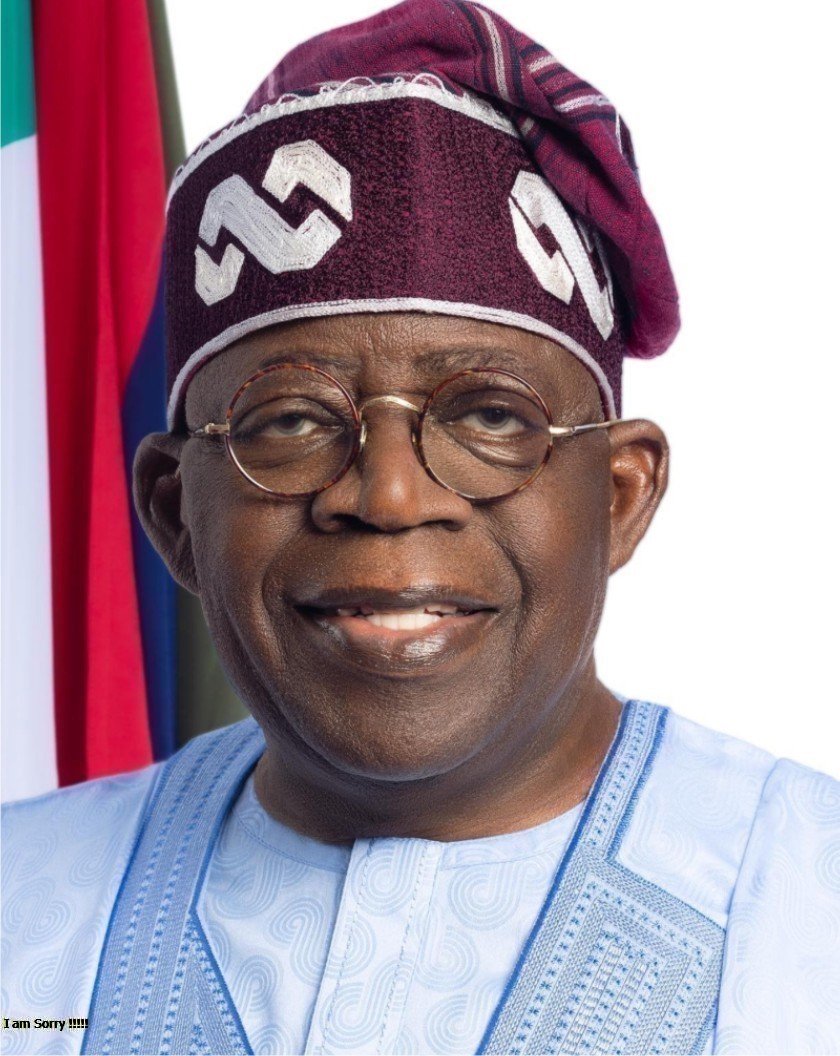
As the countdown to the 2027 general election gathers quiet momentum, one political reality is becoming increasingly evident: President Bola Ahmed Tinubu is executing a deliberate and strategic push to reposition himself in Nigeria’s South East.
In 2023, the region gave him his lowest votes. But instead of political withdrawal, the President has embraced a different strategy—development as a bridge to trust.
Across the region today, federal presence is no longer abstract. It is visible—in roads, revived projects, and renewed economic corridors.
For years, the South East grappled with the perception of marginalisation. Federal roads deteriorated, and many projects stalled endlessly. Under Tinubu, the narrative is shifting.
Contractors have returned to abandoned sites, funding mechanisms have improved, and multiple projects are running simultaneously. This is not just policy—it is execution in motion.
The scale of intervention is reflected in a wide network of critical roads:
Enugu–Port Harcourt Expressway, Onitsha–Owerri Expressway, Enugu–Onitsha Expressway, Aba–Ikot Ekpene Road, Second Niger Bridge Access Roads, Owerri–Umuahia Road, Umuahia–Ikot Ekpene Road, Lokpanta–Enugu Road, Enugu–Abakaliki Corridor and Trans-Sahara (Ebonyi Axis).
Together, these form a strategic economic grid linking the South East internally and to other regions.
With this level of federal presence, political realignment has become inevitable. Many observers point to a growing wave of defections into the All Progressives Congress. The reason, according to insiders, is simple: performance is reshaping political loyalty.
At the forefront of this shift is former Senate President, Ken Nnamani, whose position reflects a broader sentiment among political elites. During a high-level engagement with the President, Nnamani and other Enugu leaders formally endorsed Tinubu’s re-election bid, affirming their support for 2027.
At a separate political gathering, he urged caution against alternative promises, emphasizing credibility and performance as key factors in political choice.
The support goes beyond individuals.
A coalition of former South East governors declared their backing for Tinubu, citing what they described as an “infrastructure revolution” in the region. Similarly, stakeholders and political leaders across the zone have openly endorsed his second term, stressing that: “President Tinubu is entitled to a second term to complete the work he has started.” Governor Peter Mbah also reinforced this position, assuring the President:
“We will stand proudly with you on election day in 2027.”
Minister of Works, David Umahi, remains one of the strongest voices backing the administration.
He has repeatedly stated that:
“We have not had it this good before.” And more significantly:
“The biggest legacy projects of Mr President are in the South East.”
These remarks reinforce the growing perception of unprecedented federal attention to the region.
With endorsements mounting and projects progressing, a new political sentiment is emerging.
Across the South East, Support for Tinubu is becoming more visible. Political structures are realigning, and Campaign momentum is building. For many, the logic is clear:
continuity could mean completion—and more development.
Since return of Nigeria’s democratic in 1999, the country has witnessed 5 different administrations. Of them all statistics show that President Tinubu ranks high than his predecessors in area of infrastructure project delivery in the South East. He is
not merely initiating, but reviving, funding, and accelerating multiple projects at once.
Despite some of those projects are still in progress, there impacts on completion have scored his high over the previous administrations such as Obasanjo, Yar’Adua, Jonathan, and Buhari.
His defining strength so far is centred on consolidation and visible execution which have great political advantages. This is not just infrastructure—it is strategic political engineering. President Tinubu is rebuilding trust, addressing long-standing grievances, and using development as a unifying tool.
Despite the optimism, expectations remain high. The people are anticipating the completion, looking forward to harness their economic impact and sustainability.
The road to 2027 is gradually being paved in the South East. With endorsements from respected figures like Ken Nnamani, strong backing from governors, and visible infrastructure on ground, the region is fast becoming a critical battleground for political influence. President Tinubu’s strategy is clear: deliver results, build trust, and convert performance into votes.
Whether that will ultimately reshape electoral outcomes remains the defining question ahead.
– Jamiu Abubakar
08085185886
