
-
Connecting LAGOS With South-East/South South
Road transportation remains one of the most vital links connecting Nigeria’s commercial capital, Lagos, with the bustling cities and towns across the Southeast and Southsouth. Every day, thousands of passengers and tons of goods move along these routes, powered by a group of transport companies that have built reputations for reliability, innovation, and reach. From luxury bus services to long-standing regional operators, these companies continue to shape how Nigerians travel across these economic corridors.
Among the most prominent names is GUO Transport Company, a brand that has steadily grown into one of the most recognizable transport operators in Nigeria. Founded with a vision to modernize road travel, GUO has carved out a niche for itself by combining comfort with consistency. Its fleet of well-maintained buses, ranging from executive coaches to standard options, caters to different categories of travelers. The company’s terminals are strategically located, and its digital booking system reflects its embrace of technology. For many passengers traveling between Lagos and cities like Onitsha, Enugu, and Port Harcourt, GUO represents a dependable option.
Closely following is Libra Motors, known for its emphasis on safety and structured operations. Libra Motors has distinguished itself with its organized boarding systems and time-conscious departures, something that appeals strongly to business travelers. The company operates a fleet equipped with tracking systems and trained drivers, offering passengers a sense of security on long-distance journeys. Its growing popularity across Lagos and the Southeast is tied to its professional approach and customer-focused services.
Another key player is Ekeson Motors, a company that has built a loyal customer base over the years. Ekeson’s strength lies in its deep roots within the Southeast transport network. With routes covering major cities like Aba, Owerri, and Awka, the company provides consistent service for traders, students, and families alike. While it may not always boast the newest fleet, its reliability and familiarity have made it a trusted name among regular commuters.
Okeyson Motors also plays a significant role in this transport ecosystem. Known for its competitive pricing and accessibility, Okeyson has become a go-to option for passengers seeking affordable travel without sacrificing basic comfort. Its presence in both major and smaller terminals allows it to serve a wide range of customers, particularly those traveling from Lagos to interior towns across the Southeast and Southsouth regions.
In the same space, Chisco Transport has long been a household name. With decades of experience in intercity transport, the company has built a reputation for extensive coverage and dependable service. Chisco’s operations extend beyond Nigeria’s borders into West Africa, but its domestic routes remain a stronghold. Its buses are known for their durability, and its structured ticketing system ensures a level of organization that many passengers appreciate.

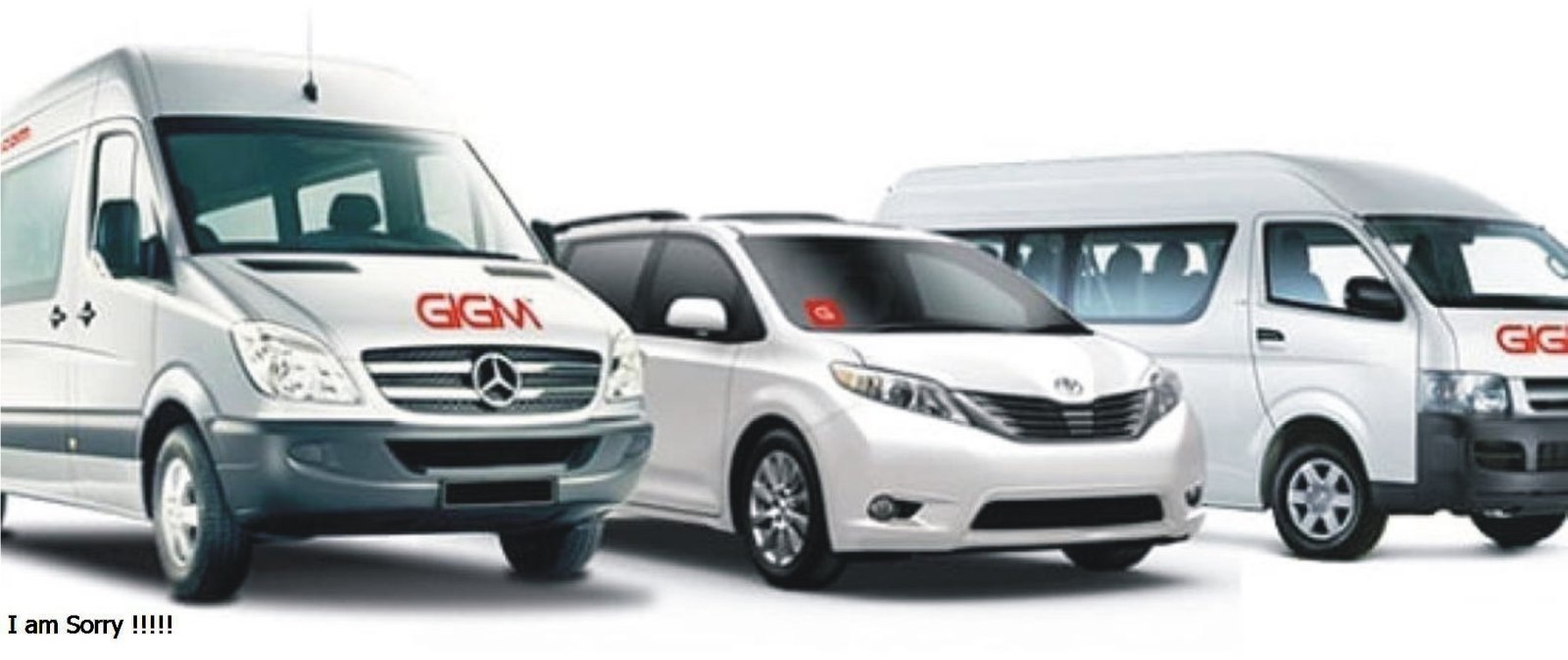
Modern innovation in the sector is strongly represented by God Is Good Motors (GIGM). Widely regarded as one of the most technologically advanced transport companies in Nigeria, GIGM has transformed the booking experience through its mobile app and online platforms. Passengers can reserve seats, select preferences, and track journeys in real time. Its sleek terminals and customer service orientation have set a new benchmark in the industry. For younger and tech-savvy travelers, GIGM offers a seamless blend of convenience and comfort.
Equally notable is Ifesinachi Transport, a brand that has stood the test of time. Ifesinachi is deeply embedded in the transport culture of the Southeast, serving routes that connect commercial hubs with rural communities. Its buses are a familiar sight on highways linking Lagos to Enugu, Nsukka, and beyond. The company’s endurance is largely due to its understanding of local travel patterns and its ability to meet the needs of everyday Nigerians.
Another emerging force is Efex Executive Transport, which has positioned itself as a premium service provider. Efex focuses on delivering a more refined travel experience, offering executive seating, air-conditioned buses, and attentive service. Its branding appeals to professionals and travelers who prioritize comfort during long journeys. As competition intensifies, Efex continues to expand its routes and upgrade its fleet to maintain its edge.
Cross Country Limited remains one of the most expansive transport networks in the country. Known for its wide reach, the company connects Lagos to numerous destinations across the Southeast and Southsouth, including Calabar, Uyo, and Warri. Cross Country’s strength lies in its scale and consistency, making it a reliable choice for both passengers and logistics services. Its long-standing presence in the market underscores its resilience and adaptability.
Rounding out the list is Peace Mass Transit, a company that has rapidly grown into a dominant force in the Southeast. Founded with a mission to provide affordable and efficient transport services, Peace Mass Transit has expanded aggressively, establishing terminals in key cities and increasing its fleet size significantly. Its emphasis on affordability has made it particularly popular among students and traders, while its operational discipline ensures timely departures and arrivals.
Together, these ten companies form the backbone of road transport between Lagos and the eastern and southern parts of Nigeria. Their impact goes beyond simply moving passengers; they facilitate trade, support family connections, and contribute to economic growth across regions. Markets in Onitsha and Aba depend heavily on goods transported from Lagos, while professionals and students rely on these services to navigate their daily and seasonal travels.
What sets these companies apart is not just their size, but their ability to adapt to changing demands. In recent years, the introduction of digital booking systems, improved vehicle standards, and enhanced customer service has transformed the travel experience. Companies like GIGM and Libra Motors are leading this shift, pushing others to modernize and remain competitive.
At the same time, traditional operators such as Ekeson, Ifesinachi, and Okeyson continue to thrive by maintaining strong connections with their customer base. Their understanding of grassroots travel needs allows them to serve routes that might not be immediately profitable but are essential for regional connectivity.
Safety remains a critical factor across the industry. Many of these companies have invested in driver training, vehicle maintenance, and monitoring systems to reduce risks on Nigeria’s often challenging highways. While challenges such as road conditions and traffic congestion persist, the commitment of these operators to improving standards is evident.
Affordability also plays a major role in their continued relevance. With economic pressures affecting many Nigerians, transport companies must strike a balance between cost and quality. Operators like Peace Mass Transit and Okeyson have built their reputation on providing budget-friendly options, ensuring that travel remains accessible to a broad segment of the population.
The competition among these companies has ultimately benefited passengers. Better services, more options, and improved reliability are direct results of a market where multiple players are striving to stand out. Whether it is the tech-driven approach of GIGM, the structured efficiency of Libra Motors, or the deep-rooted presence of Ifesinachi, each company brings something unique to the table.
As Lagos continues to serve as Nigeria’s economic heartbeat, and the Southeast and Southsouth maintain their roles as commercial and cultural hubs, the importance of these transport companies cannot be overstated. They are more than just service providers; they are vital connectors in a nation constantly on the move.
Looking ahead, the future of road transport in these regions will likely be shaped by further technological integration, improved infrastructure, and evolving customer expectations. Companies that can innovate while maintaining reliability will continue to lead the pack.
For now, these ten transport giants remain at the forefront, driving not just vehicles, but the very movement of people, goods, and opportunities across some of Nigeria’s most important routes.

By Benprince Ezeh
08068599879
