

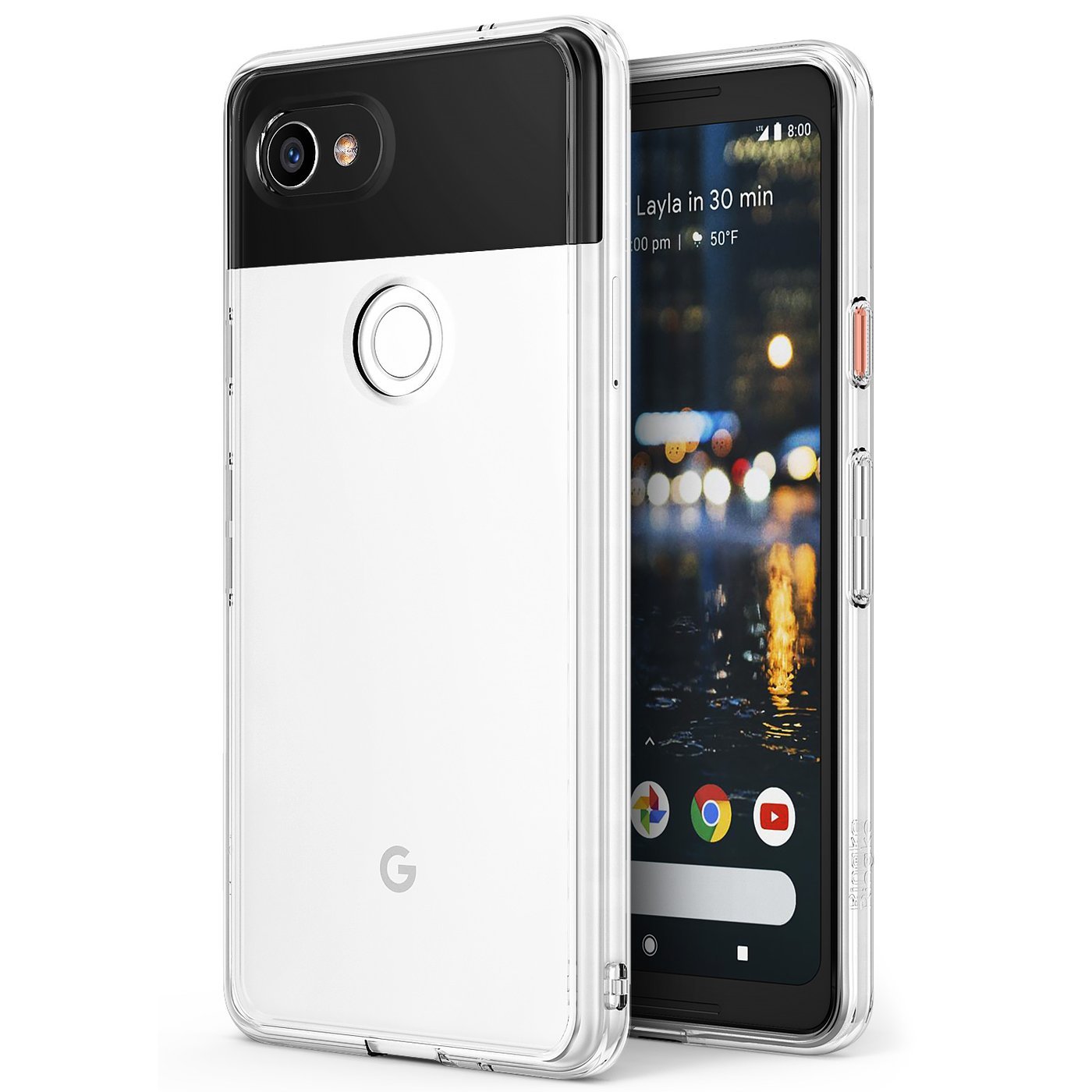
+How It Is Competing With SAMSUNG
The global smartphone market has become one of the most competitive technology sectors, with brands constantly introducing new innovations to attract customers. For many years, Samsung has been regarded as the leading Android smartphone manufacturer, particularly with its flagship Galaxy S and Galaxy Z series. However, Google’s Pixel smartphones have steadily grown in popularity, emerging as one of Samsung’s strongest rivals in the premium Android market.
Although Google entered the smartphone business much later than Samsung, the company has built a loyal following by focusing on artificial intelligence, software optimization, camera performance and long-term software support. Today, many smartphone users who previously bought Samsung devices are considering Google Pixel phones as a worthy alternative.
Google’s journey into smartphones began with the Nexus series, which was launched in 2010 in partnership with manufacturers such as HTC, LG, Huawei and Motorola. The Nexus phones were designed to showcase Google’s Android operating system in its purest form.
In 2016, Google introduced the first Pixel smartphone, marking a major shift in strategy. Instead of relying on other manufacturers, Google decided to build its own premium smartphones under the Pixel brand. Since then, the company has released several successful models, including the Pixel 6, Pixel 7, Pixel 8 and the latest Pixel 9 series, each bringing significant improvements in design, camera technology and artificial intelligence features.
Samsung, on the other hand, has dominated the Android smartphone market for well over a decade. Its Galaxy S series has consistently competed with Apple’s iPhone, while the Galaxy Note series, before it was merged into the Ultra lineup, became popular among professionals and power users. Samsung also pioneered foldable smartphones with its Galaxy Z Fold and Galaxy Z Flip devices.
Despite Samsung’s dominance, market analysts say Google’s Pixel phones have gradually become serious competitors because they offer many flagship features at competitive prices while providing the latest Android updates directly from Google.
One issue that has become a frequent topic of discussion among smartphone users is the appearance of unusual green or pink vertical lines on the displays of some premium smartphones after software updates or extended use. While this issue has affected only a small percentage of devices across different brands, reports involving certain Samsung Galaxy S series models have received considerable attention online, causing some buyers to explore other options.
As these concerns spread across technology forums and social media, many consumers began looking for Android phones that could deliver similar flagship experiences without those worries. For a growing number of buyers, Google Pixel has become one of the first alternatives they consider.
Technology dealer, Ibrahim Musa, who operates a mobile phone store in Lagos, said more customers are now asking about Pixel phones than they did a few years ago.
“Five years ago, only tech enthusiasts requested Google Pixel phones. Today, many walk into the shop specifically asking for Pixel 8 or Pixel 9 models. Some customers tell us they want something different from Samsung but still want a premium Android experience.”
According to him, Google’s emphasis on software quality has become one of its biggest selling points.
“Pixel phones are fast because Google builds both the Android software and many of the AI features. Customers enjoy getting new Android versions immediately without waiting months.”
Another dealer, Chinedu Okeke, noted that Pixel’s camera quality has attracted photographers, content creators and social media influencers.
“Many people compare Pixel cameras with Samsung and even iPhone cameras. Google’s image processing is exceptional, especially for portrait shots and night photography. Customers who love taking pictures appreciate that.”
Google has also strengthened the Pixel lineup by introducing its Tensor processors, designed specifically to power artificial intelligence features. These chips enable advanced capabilities such as real-time translation, AI-assisted photo editing, call screening, voice recognition and enhanced security.
Recent Pixel models also feature brighter displays, longer battery life, improved durability and seven years of Android and security updates for many flagship devices. These commitments have helped position Pixel as a long-term investment for consumers.
Industry observers say another factor helping Pixel compete with Samsung is Google’s integration of artificial intelligence throughout the user experience. Features such as Magic Editor, Best Take, Circle to Search, Call Assist and advanced voice typing have received positive reviews from technology experts.
Samsung has also invested heavily in AI through its Galaxy AI platform, introducing features like Live Translate, Note Assist and AI-powered photo editing. As a result, competition between the two companies has become increasingly centered on software intelligence rather than hardware alone.
Some consumers believe Google’s cleaner Android interface is another advantage.
Lagos-based software developer, Emmanuel Adebayo, recently switched from a Samsung Galaxy phone to a Pixel device.
“I loved my Samsung phone, but I wanted a cleaner Android experience without too many pre-installed apps. The Pixel feels smoother, and the software experience is excellent.”
Another customer, Blessing Eze, said the camera played a major role in her decision.
“I post content almost every day. The Pixel camera gives me sharp, natural-looking photos with very little editing. That’s one of the reasons I switched.”
Not everyone, however, believes Pixel has overtaken Samsung.
Retailer Abdul Karim said Samsung continues to enjoy advantages in global availability, after-sales support, accessories and product variety.
“Samsung still sells more phones worldwide, and customers have many choices, from budget devices to premium foldables. Pixel is growing, but Samsung remains the biggest Android brand.”
Technology analysts share a similar view, noting that Samsung’s extensive distribution network, strong brand recognition and diverse product portfolio remain major strengths. However, they also point out that Google has successfully carved out a niche by appealing to users who value photography, software updates and AI-powered features.
As competition in the Android market intensifies, consumers are benefiting from faster innovation and better choices. Samsung continues to lead with cutting-edge hardware, foldable devices and a broad ecosystem of products, while Google is pushing boundaries through software excellence and artificial intelligence.
For many smartphone buyers, the decision is no longer simply about choosing the biggest brand. Instead, it is about selecting the device that best fits their needs. With every new Pixel release, Google is narrowing the gap with Samsung and proving that it is no longer just the creator of Android but also one of the strongest competitors in the premium smartphone market.
By Benprince Ezeh
08068599879
