

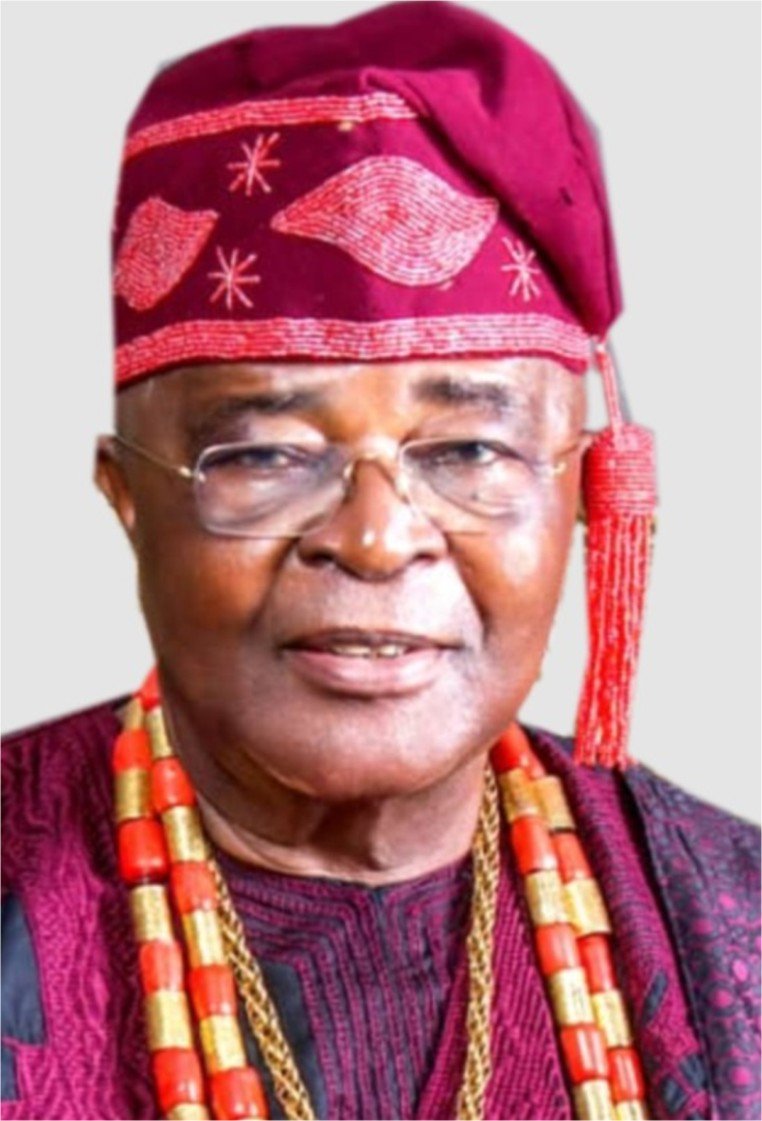
Alake of Egbaland, the paramount ruler of the Egba people, Oba Adedotun Aremu Gbadebo cannot govern alone. In Egba tradition, he cannot do without the support and counsel of his high chiefs and kingmakers.
The Alake is Chairman of the Egba Traditional Council, presiding over the affairs of the 4 major Egba divisions.
The council includes high chiefs from all sections of Egbaland: Egba Ake, Oke-Ona, Gbagura, and Owu.
The current Chairman of the Egba General Title Chiefs Council is the Baagbimo of Egbaland, Chief Israel Akanni Akinwale. They advise on customs, chieftaincy matters, festivals like Lisabi Day and Olumo Day, and community development. The Alake consults the senior chiefs from each section so the whole of Egbaland is carried along. That’s why the Alake is described as the symbol of unity among the Egba people.
In short: the Alake cannot do without the Omo Iya Marun for kingship/legitimacy, and the Egba General Title Chiefs Council for governance and tradition. They are the ones who help preserve Egba customs, mediate disputes, and ensure decisions reflect all of Egbaland.
The current High Chiefs of Egbaland represent a historic and highly respected council assisting the paramount monarch, the Alake of Egbaland.
The Alake is the paramount ruler of all Egbaland, but he must come from Egba Ake, and his installation is done with the Omo Iya Marun.
These are the 5 principal noblemen of Egba-Ake. Traditionalists see Egba Ake as Abeokuta’s Aristocracy because the Omo-Iya-Marun serve as the Kingmakers of the Alake.
(1) APENA EGBA
– Role: Chief priest and lead kingmaker. He conducts the traditional rites for the installation of a new Alake.
– Current holder: Suarau O. Alani Bankole
– Background: Historically the most senior of the five. The title comes from “Ap¹na” meaning spokesperson/intermediary. The 84 year old Bankole, who is also the father of the former House of Representatives Speaker, Dimeji Bankole, oversees traditional religious protocols and presents the new Alake to the people after a 3-month seclusion in the Ipebi.
(2) ARO EGBA
– Role: Head of the Egba Ake war chiefs and custodian of Ake Palace security/traditions.
– Current holder: Oluyinka A. Kufile
– Background: “Aro” was traditionally the war commander. Today he manages Palace customs and supports the Apena during coronation rites. Very influential in Palace administration.
(3) LISA EGBA
– Role: Prime Minister of Egbaland. The most senior civil chief after the Alake.
– Current holder: Oluyomi Ayinla Olaogun
– Background: The Lisa is the head of all Egba Chiefs outside the Palace. He speaks for the chiefs in council and is second only to the Alake in civil authority. The title is ancient and predates the move to Abeokuta in 1830.
(4) OSI EGBA
– Role: Senior Chief and Judge in the traditional council.
– Current holder: Olabode Akeem Mustapha
– Background: “Osi” means left-hand side — traditionally the left flank in war and council seating. He assists the Lisa and helps settle disputes. Civil disputes were historically confirmed by the Alake after deliberation by chiefs like the Osi.
(5) BALOGUN EGBA
– Role: War chief / Commander of Egba forces.
– Current holder: Sikiru Olatunde Atobatele
“Balogun” is the warlord title across Yorubaland. In Egbaland he was responsible for defense of Abeokuta, especially during the 19th century wars after the Egba migration led by Sodeke in 1830. Today the role is largely ceremonial but still carries high prestige.
The whole Omo Iya Marun system really took shape when the Egba people moved from their original Orile Egba homeland to Abeokuta in 1830 under the leadership of Egba warrior, Sodeke. That move was to escape the Fulani/Oyo wars, and Abeokuta was founded as a fortress city.
Before Abeokuta, in Orile Egba, the Alake was already king, but there wasn’t this rigid “5 kingmakers” structure. Chiefs were more fluid.
In Abeokuta, the 4 sections had to live together for defense. To keep peace and balance power, Egba Ake agreed that the Alake must always come from Ake but his selection would be controlled by 5 principal chiefs — the Omo Iya Marun.
The idea: “One mother” – they were meant to act with unity, like siblings, so no single chief could hijack the throne. War chiefs like Balogun and Aro handled defense. Civil Chiefs like Lisa and Osi handled administration and justice. Apena handled the spiritual side.
How the Apena installs the Alake:
This is the most sacred part and only the Apena can do it.
Consultation- When an Alake dies, the Omo Iya Marun meet in secret. The Apena leads the meeting. They consult Ifa and the ruling houses of Ake to pick the next candidate. Next is the Ipebi / Seclusion. The chosen prince enters seclusion for 3 months. During this time the Apena performs rites, teaches him Egba customs, history, and taboos. Then, on the final day, the Apena takes the prince to the sacred grove at Ake. He presents kola, bitter kola, and prayers to the ancestors.
The Apena then leads the prince out to the Ake Palace courtyard and announces him: “Kabiyesi, Oba Alake o!” The crowd responds. Drums sound.
Crowns & Staff. The Apena places the crown and beaded staff of office on the new Alake. From that moment, the new Alake can sit in council with the Osile, Agura, and Olowu as paramount ruler of Egbaland.
Without the Apena’s ritual, the installation is considered invalid by traditionalists.
– Wole Alakija
08055001823
