

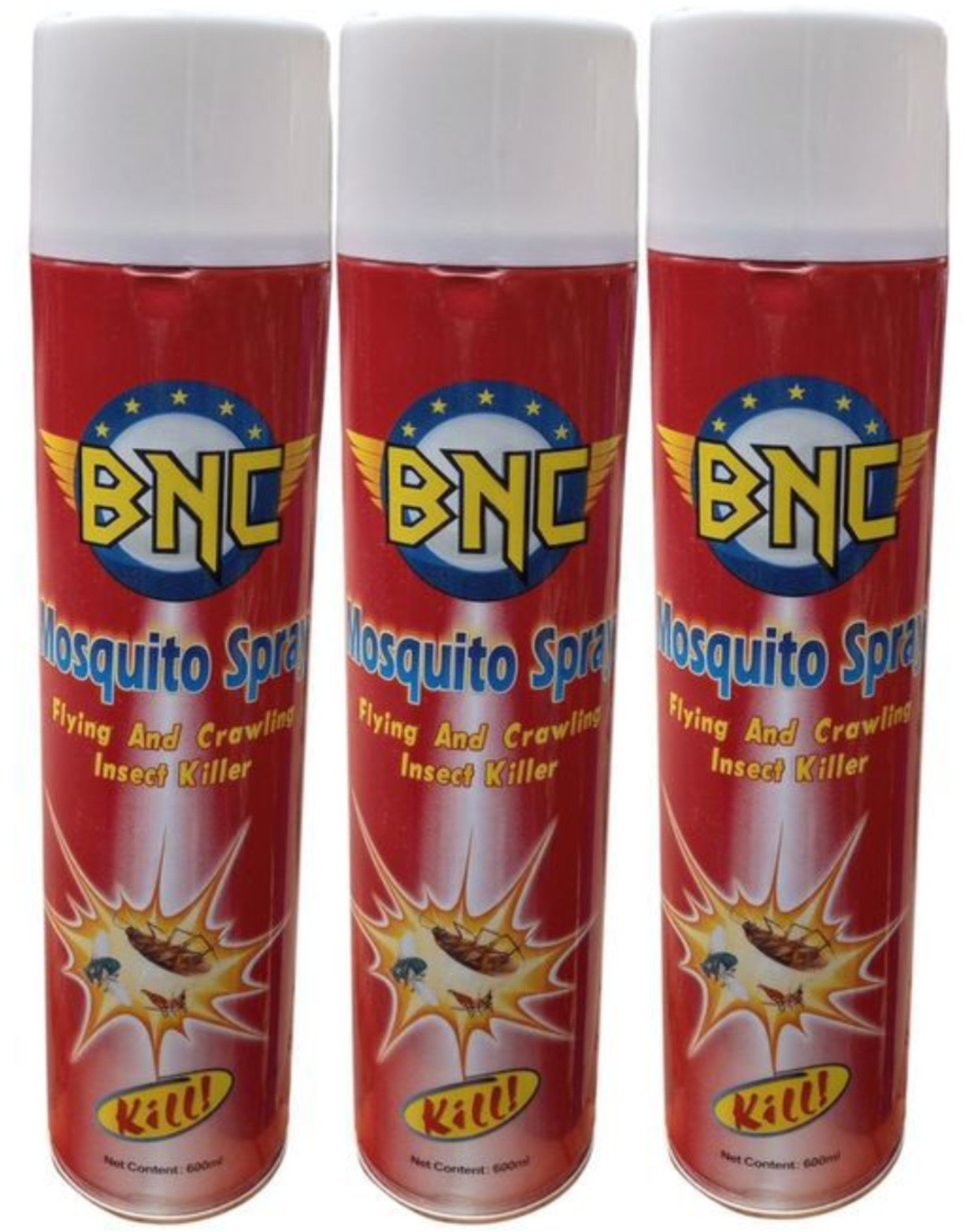
BNC Insecticide is back in the market. For many Nigerians, the sudden reappearance of BNC Insecticide on supermarket shelves, neighborhood stores, open markets and online retail platforms has created a sense of curiosity. Younger consumers often mistake it for a newly introduced insecticide brand, while older Nigerians who remember the product from years ago are surprised to see it making a strong comeback in a market dominated by long-established names such as Raid, Baygon, Mortein, Rambo and Mobil Insecticide.
Yet BNC is far from being a new entrant. The brand has a long history in the household insecticide market and is now experiencing what industry observers describe as one of the most remarkable brand revivals in recent years.
Its return has sparked conversations among retailers, distributors and consumers who believe the product is gradually reclaiming a position it once held before disappearing from public consciousness for several years.
The history of BNC dates back several decades when aerosol insecticides became increasingly popular among Nigerian households as a weapon against mosquitoes, cockroaches, flies and other household pests. During a period when malaria remained one of the country’s most pressing public health concerns, the demand for insecticides grew rapidly across urban and rural communities.
BNC emerged as one of the brands that gained acceptance among consumers because of its affordability and effectiveness. The product built a loyal customer base among families seeking protection from disease-carrying mosquitoes and other insects.
At its peak, BNC enjoyed widespread recognition in many parts of the country. It was common to find the product in homes, provision stores, supermarkets and wholesale markets.
However, as competition intensified within Nigeria’s insecticide industry, the brand gradually lost visibility. The market witnessed aggressive expansion by multinational and indigenous competitors who invested heavily in advertising, distribution and product innovation. Industry reports show that manufacturers increasingly relied on repackaging, reformulation, direct marketing and improved retail presence to win consumers and retain market share.
As newer brands flooded the market, BNC struggled to maintain the same level of visibility it once enjoyed.
One of the biggest challenges was the growing competition from heavily advertised brands that dominated television, radio, newspaper and outdoor advertising campaigns. Consumers were constantly exposed to messages promoting alternative products, making it difficult for smaller brands to retain attention.
Distribution challenges also affected the brand. Many retailers stopped stocking BNC regularly due to inconsistent supply, while consumers who could not easily find the product switched to competing brands.
Counterfeit products within Nigeria’s insecticide and pesticide market also created problems for many manufacturers. Regulatory agencies have repeatedly warned about the circulation of fake and substandard products in the market, a challenge that has affected consumer confidence across the sector.
For years, the product remained largely absent from major conversations about household insecticides. New generations of consumers grew up without knowing much about the brand.
Behind the scenes, however, efforts were reportedly underway to reposition the product for a return.
The company behind BNC recognized that simply returning with the same strategy that worked years ago would not be enough to compete in a rapidly changing marketplace.
Executives began working on a comprehensive rebranding programme designed to modernize the product’s image while preserving the trust associated with its heritage.
The rebranding process involved new packaging, improved product presentation, stronger distribution networks and renewed engagement with retailers and consumers.
The company also invested in awareness campaigns aimed at reminding older consumers of the brand’s legacy while introducing it to younger Nigerians.
According to company officials during the relaunch campaign, the objective was not merely to bring back an old product but to reintroduce a trusted household solution adapted to modern consumer expectations.
“We listened carefully to consumers and distributors. The market has changed significantly, and our goal was to return with a product that combines the reliability people remember with the quality and presentation demanded by today’s consumers,” a company representative said during one of the product’s market activation events.
Another executive described the relaunch as a strategic move designed to reconnect the brand with households across Nigeria.
“Our focus is availability, effectiveness and affordability. We want consumers to have confidence that whenever they need BNC, they can find it in stores near them.”
Today, BNC has become increasingly visible in markets across Lagos, Ogun, Oyo, Ondo, Edo, Delta, Rivers and several northern states.
Retailers report rising demand from both returning customers and first-time users.
At Idumota Market in Lagos, a wholesaler said the brand’s resurgence has been impressive.
“At first, people thought it was a completely new product. Some buyers would ask us where it came from. But after trying it, many returned asking for more. The demand has been growing steadily.”
A supermarket manager in Ikeja shared a similar experience.
“When we first stocked BNC again, sales were moderate. But within a few months, repeat purchases increased significantly. Customers often compare it with the bigger brands and say it performs well.”
In major wholesale markets, distributors say the product’s affordability has become one of its strongest selling points, particularly during a period when consumers are increasingly sensitive to prices.
Home users also have positive stories to tell.
Mrs. Funke Adebayo, a mother of three living in Lagos, said she initially purchased BNC because it was recommended by a neighbor.
“I had never used it before. I thought it was one of the new brands entering the market. After trying it, I noticed it worked effectively against mosquitoes and cockroaches. Since then, I have continued buying it.”
In Ibadan, Mr. Adewale Johnson said the product reminded him of his childhood.
“I remember BNC from many years ago. When I saw it again, I decided to buy it out of curiosity. I was surprised that it still works very well.”
Another consumer in Benin City described the product as one of the best options currently available.
“For me, it is as effective as any major brand. The difference is that the price is often more attractive.”
Although comprehensive national market share figures remain difficult to obtain, industry observers say BNC’s visibility has increased substantially over the past few years.
Retail surveys conducted by distributors in selected markets indicate that repeat purchases are growing, a key indicator of consumer satisfaction.
Store owners in several cities report that BNC is now among the faster-moving insecticide products on their shelves, particularly in neighborhood stores where affordability heavily influences purchasing decisions.
The broader insecticide market in Nigeria remains highly competitive. Industry reports have consistently shown intense rivalry among leading manufacturers as companies seek to capture larger portions of the growing household pest-control segment. Rising awareness about hygiene, malaria prevention and household safety continues to support demand for insecticides across the country.
Within this competitive environment, BNC’s comeback is attracting attention because it demonstrates how an older brand can successfully reinvent itself.
Marketing experts say the brand’s revival offers valuable lessons for other companies struggling with declining visibility.
According to branding consultant Chinedu Okafor, successful revivals often depend on understanding why consumers abandoned a product in the first place.
“Many companies disappear because they stop evolving. What BNC appears to have done is return with a clearer understanding of consumer needs, better packaging and stronger market presence.”
Industry analysts also note that nostalgia has played a role in the brand’s resurgence. Older consumers who remember using BNC years ago have become unofficial ambassadors, introducing the product to younger family members and neighbors.
This word-of-mouth promotion has complemented formal marketing efforts and helped accelerate acceptance.
Today, BNC’s story is increasingly being viewed as a case study in brand resilience.
A product that many Nigerians assumed had vanished permanently has returned to become a recognizable presence once again.
Its journey from prominence to obscurity and back to relevance reflects the realities of Nigeria’s competitive consumer goods market, where brands must continually adapt or risk being forgotten.
For now, BNC appears to have rediscovered its footing.
Whether it eventually becomes the country’s dominant insecticide brand remains to be seen. What is certain, however, is that the product has succeeded in achieving something many forgotten brands never manage: convincing consumers to take another look.
And judging by the growing number of households placing BNC alongside more established competitors, that second chance is turning into a remarkable comeback story.
By Benprince Ezeh
08068599879
