

-
In The Competitive Food Sector
In Nigeria’s highly competitive food industry where global giants and local champions battle daily for consumer attention one company has quietly built an empire that touches millions of kitchens: GBfoods Nigeria.
From seasoning cubes to tomato mixes and mayonnaise, the company’s products are not just widely consumed they are deeply embedded in everyday Nigerian cooking. But behind this dominance lies a story of transformation, strategic investment, and a sharp understanding of local tastes.
FROM TRADING ROOTS TO FOOD POWERHOUSE
The story of GBfoods Nigeria didn’t start as a food manufacturing giant. It traces its roots back to a trading business known as Watanmal, which operated in Nigeria for decades, distributing food products across the country.
Everything changed when GBfoods a Spain based multinational with over 80 years of history acquired the business as part of its expansion into Africa. This move was part of GBfoods’ broader ambition to dominate emerging markets with high growth potential.
With this acquisition came a transformation. Watanmal evolved into GBfoods Nigeria, shifting from a distribution focused company into a full scale food manufacturing powerhouse.
BUILDING A PORTFOLIO THAT FITS NIGERIA
One of the company’s smartest moves has been building a product portfolio tailored specifically to Nigerian consumers.
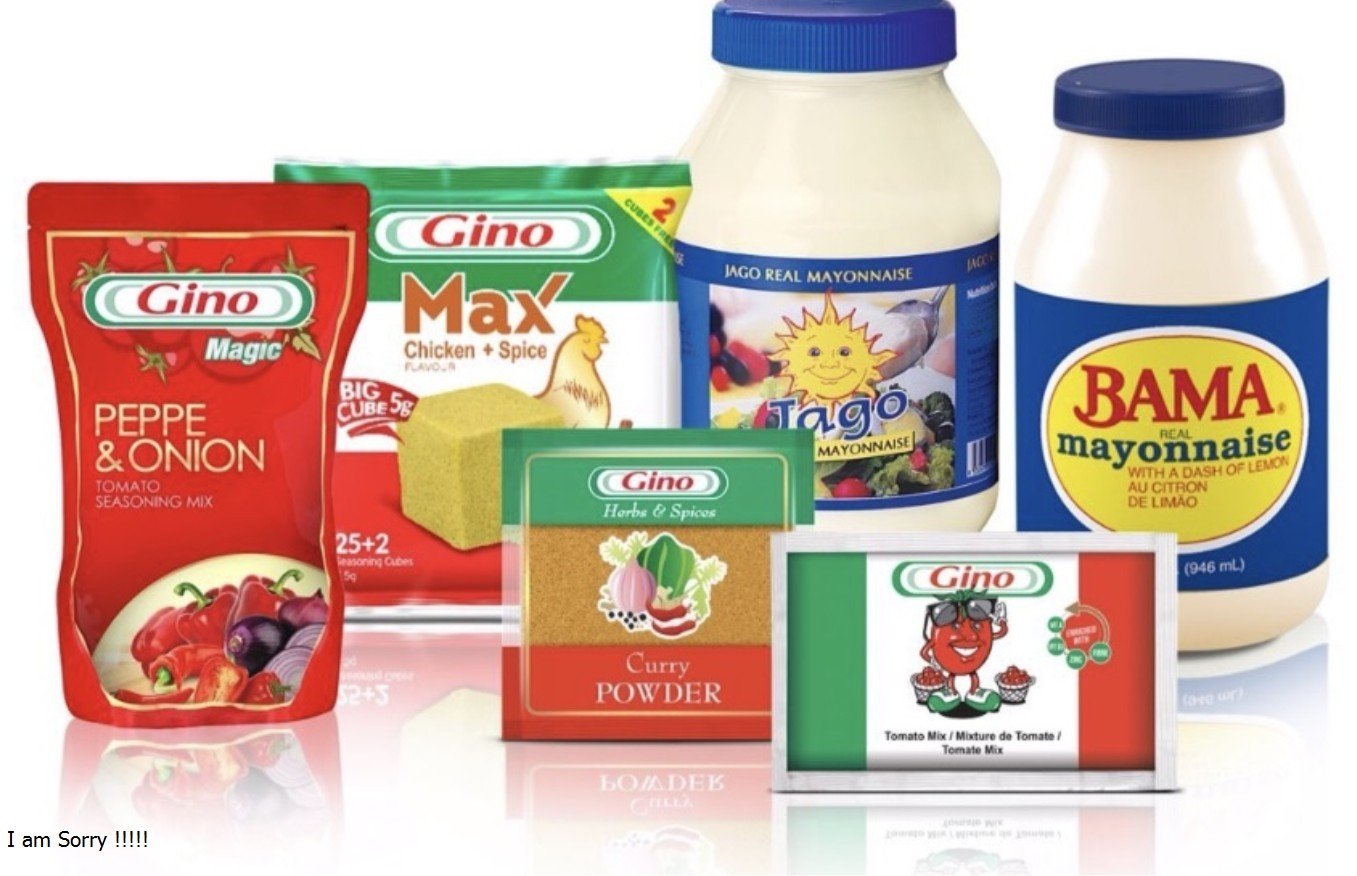
Its brands include:
- Bama the market leader in mayonnaise
- Gino a major player in tomato paste and mixes
- Jago a popular seasoning cube brand.
Rather than pushing foreign products unchanged, GBfoods Nigeria adapted flavors, packaging, and pricing to match local realities. This localization strategy has been central to its success.
THE POWER OF LOCAL PRODUCTION
A defining factor in GBfoods Nigeria’s rise is its commitment to local manufacturing.
In 2020, the company commissioned a N5.5 billion mayonnaise factory in Ogun State, one of the largest in Sub Saharan Africa. This facility not only boosted the production of Bama but also strengthened the company’s supply chain across Nigeria and West Africa.
Local production has given GBfoods Nigeria several advantages:
- Reduced reliance on imports
- Better price control in an inflation sensitive market
- Faster distribution across the country
- Job creation and economic contribution
This move positioned the company as not just a market player but an industrial force within Nigeria’s food sector.
WINNING THE NIGERIAN CONSUMER
At the heart of GBfoods Nigeria’s success is a deep understanding of how Nigerians eat, shop, and spend.
Affordability Meets Quality
The company has mastered the balance between cost and quality offering products in multiple price points, from sachets to familysized packs.
STRONG DISTRIBUTION NETWORK
From major supermarkets in Lagos to roadside kiosks in smaller towns, GBfoods Nigeria products are widely available. This reach ensures constant visibility and accessibility.
CULTURAL RELEVANCE
Whether it’s jollof rice, stew, or quick home meals, GBfoods Nigeria products are designed to fit seamlessly into Nigerian cuisine. This cultural alignment gives the company an edge over less localized competitors.
COMPETING IN A TOUGH MARKET
Nigeria’s food sector is one of the most competitive in Africa, with players like Unilever and Nestlé commanding strong market presence.
Yet GBfoods Nigeria has carved out its space not by trying to outspend everyone, but by out-understanding the consumer.
In categories like mayonnaise and tomato mix, its brands consistently rank among the most recognized and widely used in the country.
INVESTING FOR THE FUTURE
GBfoods Nigeria is not slowing down. The company continues to invest in:
- Manufacturing capacity
- Product innovation
- Supply chain efficiency
- Regional expansion across West Africa
With Nigeria’s growing population and increasing demand for convenient food products, the company is well positioned to scale even further.
MORE THAN A FOOD COMPANY
Beyond business, GBfoods Nigeria has also positioned itself as a contributor to the local economy through job creation, partnerships with local suppliers, and investments in infrastructure.
Its growth reflects a broader shift in Nigeria’s food industry: from import dependence to local production and innovation.
CONCLUSION
GBfoods Nigeria’s rise is not just about selling food it’s about building relevance.
By combining global expertise with local insight, the company has created a model that works in one of Africa’s most complex markets. It has turned everyday food items into powerful brands and transformed itself into a major force in Nigeria’s fast moving consumer goods(FMCG)sector.
In a market where many struggle to stay visible, GBfoods Nigeria isn’t just competing it’s shaping how Nigeria eats.
Written by Bethel Olaje
