

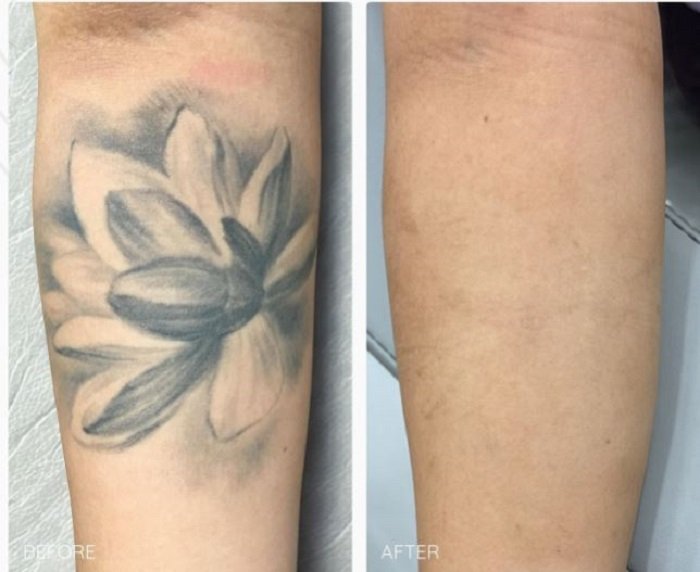
Walking into a tattoo removal appointment for the first time feels a lot like walking into any other medical procedure you’ve never had done before — you know roughly what’s coming, but the details are fuzzy. The good news is that the process is far more routine and predictable than most people assume, and knowing what happens at each stage makes the whole thing far less intimidating.
The Consultation Comes First
Before any laser touches your skin, expect a consultation where a technician examines the tattoo in question. They’ll look at ink density, colour saturation, and where the tattoo sits on your body, since areas with better circulation, like the forearm, tend to clear faster than areas like the ankle or fingers. You’ll also be asked about your skin tone, any medications you’re taking, and whether you’ve had allergic reactions to numbing agents in the past.
This is also when you’ll get a realistic timeline. Most technicians won’t promise a fixed number of sessions on the first visit, because ink colour and depth vary so much, but they should give you a range based on similar cases they’ve treated. If a provider guarantees complete removal in two or three sessions regardless of your tattoo’s size or colour, treat that as a red flag rather than good news.
Numbing and Prep
Once you’re scheduled for the actual treatment, the area gets cleaned and often photographed for tracking progress over time. A topical numbing cream is usually applied 20 to 45 minutes beforehand, depending on the clinic’s protocol and the size of the tattoo. Larger pieces sometimes require a stronger numbing approach, including injectable local anaesthetic, particularly for sensitive areas like the ribs or inner arm.
Don’t expect zero sensation even with numbing cream. It dulls the pain considerably but doesn’t eliminate it entirely, which is worth knowing going in so you’re not caught off guard.
What the Laser Session Feels Like
Most people describe the sensation as similar to a rubber band snapping against the skin repeatedly, though the intensity varies by pain tolerance and tattoo location. The actual laser pass is quick — a small tattoo, say the size of a playing card, might take under five minutes of active treatment time. Larger pieces, like a full sleeve panel, can take twenty minutes or more.
You’ll likely hear a popping or crackling sound as the laser hits the ink, which is completely normal and comes from the rapid heating of pigment particles beneath the skin. Technicians typically work in a grid pattern to ensure even coverage across the entire tattoo rather than concentrating on one section.
Immediately After the Laser
The treated area will turn white almost instantly, a reaction called frosting that happens as the laser breaks down ink particles and releases gases trapped in the tissue. This fades within 15 to 30 minutes, replaced by redness and swelling that resembles a sunburn. Pinpoint bleeding is common too, especially on tattoos with heavy black ink.
A cold compress is usually applied right after treatment to bring down swelling, and the clinic will wrap the area with a non-stick bandage before you leave. Expect to walk out with visible redness that’s noticeable to other people for the rest of the day, so plan clothing accordingly if the tattoo is somewhere visible.
Caring for the Area in the First Week
Keep the bandage on for at least the first few hours, and follow whatever specific aftercare sheet the clinic gives you, since instructions can vary slightly between providers. Generally, you’ll want to avoid soaking the area in baths, pools, or hot tubs for at least a week, and sun exposure should be avoided entirely until the skin fully heals. Blistering is possible, particularly after the first session, and while it looks alarming, it’s a normal part of the skin’s response and shouldn’t be popped.
Mild scabbing typically shows up within two to three days and sheds naturally over the following week or two. Picking at it increases the risk of scarring, so resist the urge no matter how tempting it is.
Setting Expectations for the Full Process
A single session will not make a tattoo disappear, and anyone expecting dramatic fading after one visit is likely to be disappointed. Most tattoos require anywhere from six to twelve sessions spaced six to eight weeks apart, giving the body time to clear broken-down ink through the lymphatic system between treatments. Black and dark blue ink typically respond fastest, while greens, yellows, and light blues take longer and sometimes never fade completely.
For anyone researching tattoo removal services in Melbourne, VIC, it helps to look for a provider that uses updated laser technology and offers a written treatment plan rather than vague verbal estimates, since this makes it much easier to track progress and budget for the number of sessions actually needed.
The first session sets the tone for everything that follows, both in terms of how your skin responds and how comfortable you feel with the provider. Pay attention to how thoroughly they explain aftercare and how they handle any questions about pain management, because a clinic that takes those details seriously on day one is far more likely to guide you through the full removal process with the same care.
