

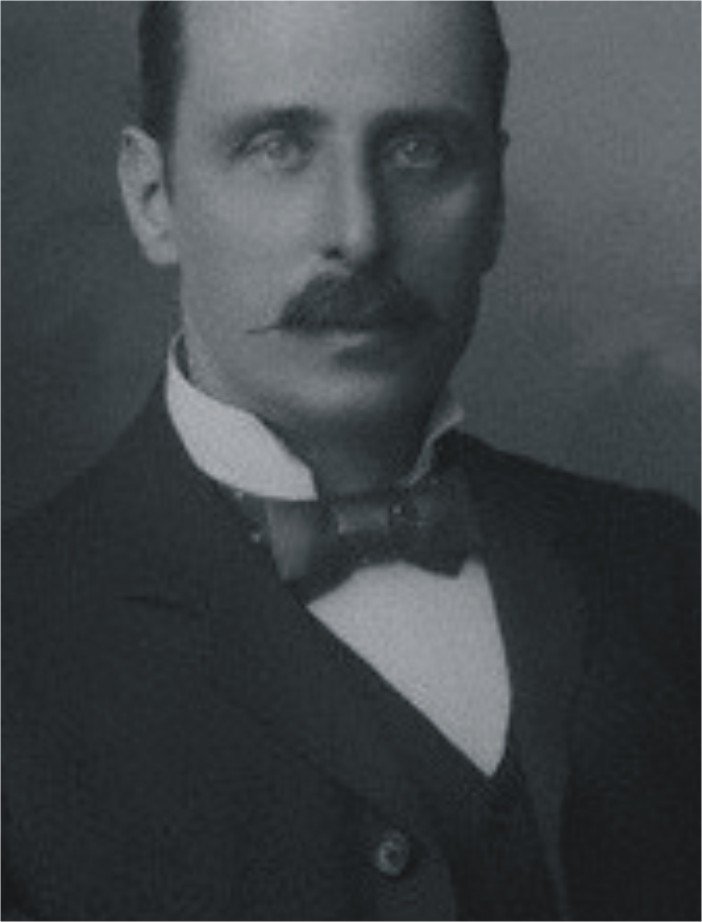
You must have heard the name carter Bridge before in Lagos. It is one of the popular bridges in Lagos. Carter Bridge, one of Lagos’ oldest and most iconic bridges. It was named after Sir Gilbert Thomas Carter, the British colonial Governor of the Colony of Lagos, who served from 1891 to 1901. The bridge bears his name because its construction was conceived and completed during his administration as part of the British government’s efforts to modernize Lagos and improve transportation between Lagos Island and the Mainland.
In the late 19th century, Lagos Island was the administrative, commercial and trading hub of the British Colony of Lagos. Across the Lagos Lagoon, mainland communities such as Iddo and Ebute Metta were rapidly developing, especially with the expansion of the railway network.
Before the bridge was built, movement between Lagos Island and the mainland depended almost entirely on canoes, ferries and small boats. Crossing the lagoon was slow, weather-dependent and inefficient for the growing volume of people and goods. The colonial government therefore decided to build a permanent bridge to facilitate commerce, governance and transportation.
The bridge was named in honour of Sir Gilbert Thomas Carter, who was Governor of Lagos when the project was executed. Sir Gilbert Carter played a major role in expanding colonial infrastructure in Lagos. His administration focused on: improving roads; expanding the railway system; modernizing the port; strengthening trade routes; and connecting Lagos Island with the mainland.
When the bridge was completed in 1901, the colonial administration named it Carter Bridge in recognition of his leadership and support for the project.
Construction of the original Carter Bridge began around 1895–1896 and was completed in 1901. The first structure was largely made of timber and steel and became the first permanent road bridge linking Lagos Island with Iddo and, through Iddo, the mainland. It also carried the steam tram system, making it a vital transportation corridor during the colonial era.
When Carter Bridge opened in 1901, it was the only bridge connecting Lagos Island to the Mainland. For decades, it served as the principal gateway into Lagos Island and played a crucial role in the city’s economic growth.
It remained the only crossing until additional bridges—such as Eko Bridge and the Third Mainland Bridge—were built many years later.
After Nigeria gained independence in 1960, the original bridge was no longer adequate for the rapidly increasing traffic in Lagos.
In the 1970s, the Federal Government dismantled much of the old structure and rebuilt it as a wider, reinforced concrete bridge capable of carrying significantly more vehicles. The Alaka–Ijora Flyover was added to improve access on the mainland side. Although the structure changed, the historic name “Carter Bridge” was retained.
The Bridge Today
Today, Carter Bridge stretches approximately 530 metres across the Lagos Lagoon, connecting Iddo on the mainland with the Idumota area of Lagos Island. It remains one of the busiest transport corridors in Nigeria, serving thousands of commuters daily. Over the years, it has undergone repairs, lighting upgrades and structural maintenance to extend its lifespan.
In 2026, the Federal Government announced plans to construct a new Carter Bridge after engineering assessments revealed structural deterioration in the existing bridge. The project is intended to preserve this historic crossing while providing a safer and more modern transport link for Lagos.
More than 125 years after its completion, Carter Bridge remains one of the most recognisable landmarks in Lagos. Although named after a British colonial governor, the bridge has become an enduring symbol of Lagos’ transformation from a colonial port settlement into one of Africa’s largest and busiest megacities. Its history reflects both Nigeria’s colonial past and the evolution of its transportation infrastructure.
