

-
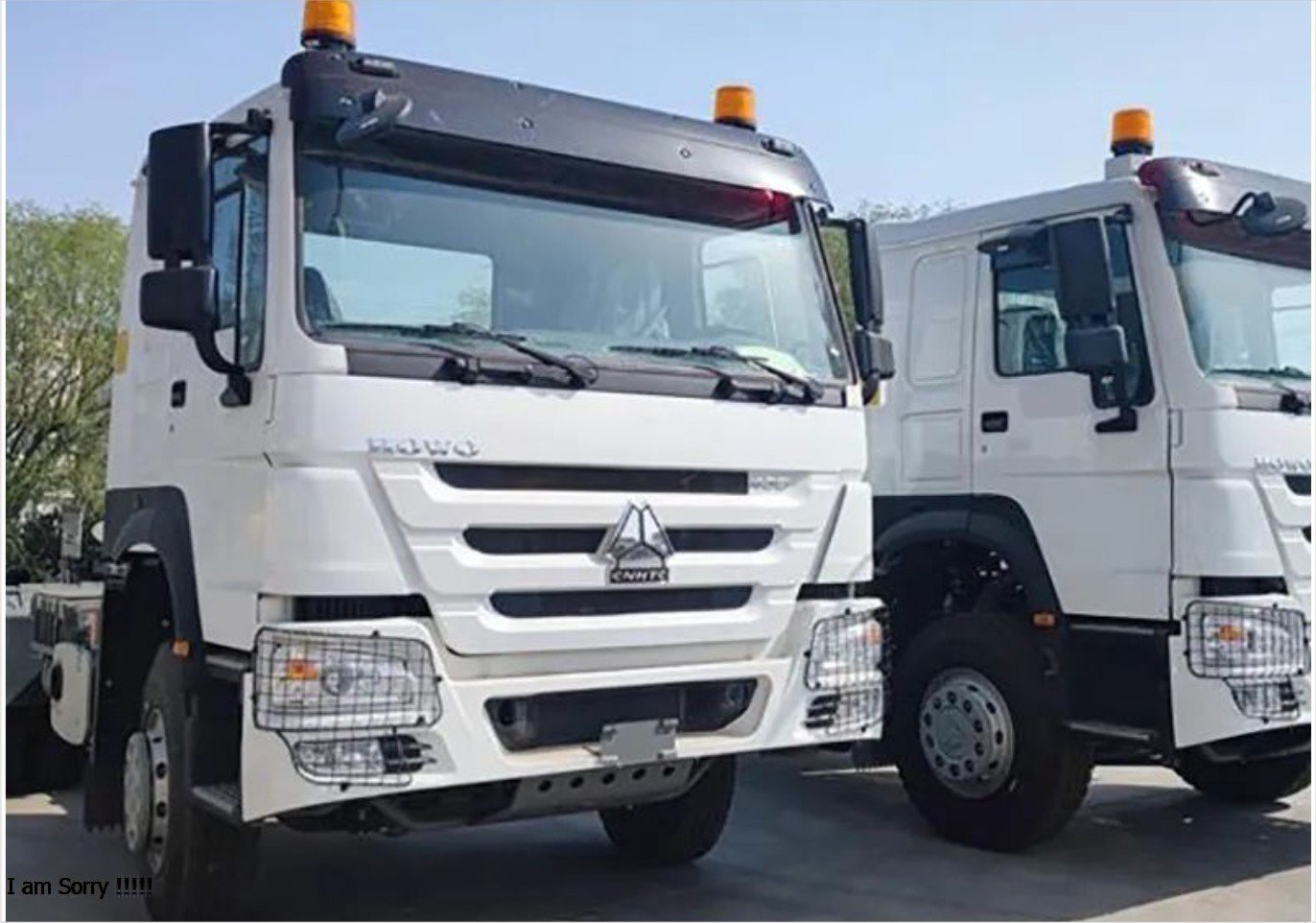
His Success Story With SINOTRUK Trucks
For decades, Nigeria depended heavily on imported trucks for construction, haulage, cement distribution, oil and gas logistics, and industrial transportation. From the crowded ports in Lagos to mining sites in the North and massive construction projects across the country, foreign-made heavy-duty trucks dominated the roads. But behind the scenes, one businessman was already planning how to change that narrative and bring truck production closer to home.
That businessman was Aliko Dangote, the founder of Dangote Group, whose expansion from cement and sugar into industrial manufacturing would later lead to one of the biggest automobile assembly partnerships in Africa.
The story of how Sinotruk trucks began to be produced locally in Nigeria started several years ago when the Chinese automobile giant began searching for stronger access into the African market. At the time, China’s manufacturing companies were aggressively expanding across Africa, supplying machinery, construction equipment, and heavy-duty vehicles to governments and private firms. Nigeria, with its population, expanding economy, and infrastructure projects, became a strategic destination.
Executives from Sinotruk reportedly saw enormous potential in Nigeria’s transport and logistics sector. The company had already built a reputation globally for producing reliable heavy-duty trucks used in construction, haulage, and industrial transportation. However, importing fully built trucks into Nigeria came with high costs, shipping expenses, tariffs, and long delivery timelines.
Industry insiders said the Chinese company needed a powerful local partner with strong logistics, market influence, industrial capacity, and financial strength. That search eventually led them to Dangote.
At the time negotiations began, Dangote was already one of the biggest buyers and users of heavy-duty trucks in Africa because of his cement distribution network. Thousands of trucks moved cement products daily across Nigeria and neighboring countries. Sources familiar with the early talks said the Chinese delegation understood immediately that Dangote was not just another businessman, but someone who could transform the automobile manufacturing landscape in Nigeria.
Negotiations between both companies reportedly focused on long-term industrial collaboration rather than simple importation. Discussions included local assembly, technology transfer, investment structure, distribution networks, spare parts availability, and future expansion into West Africa.
People close to the deal said the discussions lasted months before agreements were finalized.
When the partnership eventually became public, it attracted massive attention in Nigeria’s manufacturing and automobile sectors. The deal involved the establishment of a local assembly plant where Sinotruk vehicles would be assembled in Nigeria under a joint arrangement involving Dangote Industries and the Chinese company.
Part of the arrangement also reportedly involved the Chinese manufacturers selling equity shares to Dangote’s side of the business, strengthening the partnership and ensuring long-term commitment from both parties. The shareholding structure became one of the major talking points in business circles because many observers believed it showed strong confidence in Nigeria’s industrial future.
Speaking during the unveiling period, representatives connected to the project described the partnership as more than an ordinary business transaction.
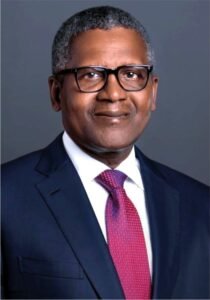
“This partnership is about industrial development, job creation, and local capacity building,” one official said.
Another executive familiar with the negotiations reportedly stated, “Nigeria is too important to Africa’s economy for manufacturing companies to ignore. We needed a reliable and visionary partner, and Dangote brought that strength.”
For Dangote, the project aligned perfectly with his long-standing industrial philosophy of producing locally rather than depending excessively on imports. Over the years, he had repeatedly spoken about the need for Nigeria to become a producing nation.
“We cannot continue importing everything we use,” Dangote had said at several business forums. “Industrialisation is the only way Africa can grow sustainably.”
The assembly plant eventually became operational in Lagos, where trucks began to be assembled locally for the Nigerian and West African markets. Industry observers noted that the development marked a significant shift in Nigeria’s automobile sector because it reduced dependence on completely built imported trucks.
The trucks assembled locally included heavy-duty haulage vehicles, tractor heads, dump trucks, tankers, and construction trucks used across multiple industries. Many of the vehicles were immediately integrated into Dangote’s own business operations, especially cement transportation and industrial logistics.
Economic analysts at the time praised the development, saying it had the potential to create jobs for engineers, technicians, welders, logistics experts, and assembly workers.
One automobile analyst described the partnership as “a major industrial statement.”
“What Dangote did was beyond selling trucks,” the analyst said. “He created an ecosystem around local assembly, maintenance, spare parts, and industrial logistics.”
Workers at the assembly facility also reportedly received technical training from Chinese experts, helping to transfer manufacturing knowledge to Nigerian personnel. The collaboration was viewed as part of a broader effort to improve local technical capacity in automobile engineering and assembly operations.
Business operators welcomed the development because they believed locally assembled trucks would improve access to spare parts and maintenance services while reducing delivery delays.
A transporter in Lagos said at the time, “Before now, getting parts for some imported trucks could take months. Local assembly changes that.”
Another logistics operator noted, “If more companies begin manufacturing in Nigeria, transport costs may reduce in the long run.”
The partnership also came during a period when the Nigerian government was encouraging local automobile assembly through industrial policies designed to reduce import dependence. Analysts said the Dangote-Sinotruk collaboration became one of the strongest examples of how foreign and local investors could work together in manufacturing.
Beyond Nigeria, the project positioned the country as a potential regional hub for heavy-duty truck assembly in West Africa. Trucks assembled locally were expected to serve neighboring markets, especially countries involved in construction, mining, agriculture, and infrastructure development.
Observers also noted that Dangote’s involvement gave the brand strong visibility because of the businessman’s influence in multiple sectors across Africa. Many customers reportedly viewed the partnership as a sign of durability and credibility.
Today, Sinotruk vehicles have become increasingly visible on Nigerian roads, especially in construction, cement distribution, oil servicing, and industrial transportation. Their growing presence reflects how the partnership evolved from negotiations into a major manufacturing operation.
For many Nigerians, the collaboration represented more than trucks. It became a symbol of industrial ambition and a reminder that local manufacturing remains possible when foreign investors partner with strong domestic industries.
Economic experts continue to argue that such partnerships could help diversify Nigeria’s economy away from crude oil dependence. They say industrial manufacturing, automobile assembly, and technology partnerships remain critical for economic growth, employment, and infrastructure development.
As Nigeria pushes for greater industrialisation, the Dangote-Sinotruk story remains one of the country’s most notable examples of how international partnerships can reshape local manufacturing. What started as negotiations between a Chinese truck maker and Africa’s richest businessman eventually became a project that changed conversations around truck production in Nigeria.
And for Dangote, whose business empire was built on the idea of producing locally, the Sinotruk partnership became another chapter in his broader ambition to industrialise Africa from within.
By Benprince Ezeh
08068599879
