

-
In The Nigerian Market
-
For Over 65yrs
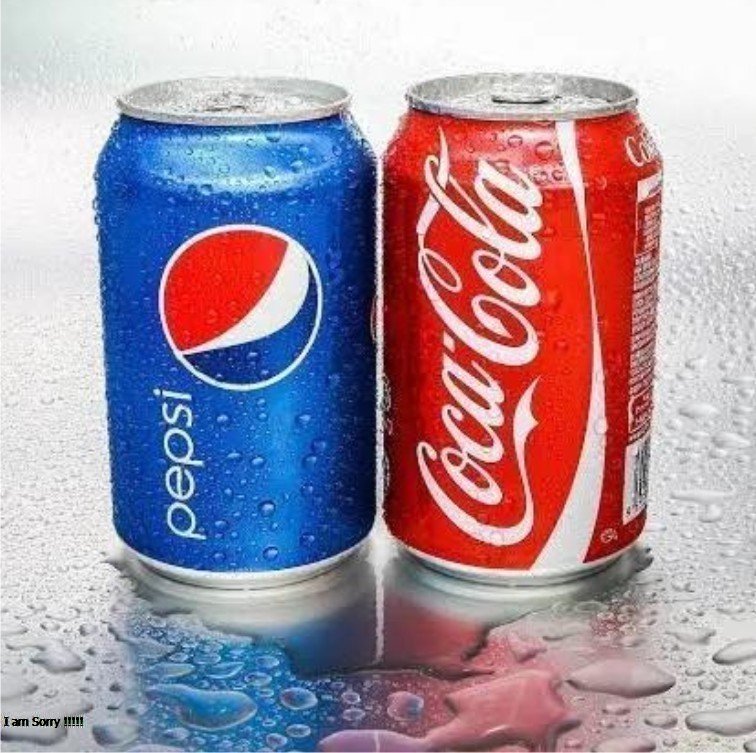
Nigeria’s soft drink market is one of the most competitive in Africa, with two global giants—Pepsi and Coca-Cola, battling for dominance over decades. While both brands enjoy widespread recognition and consumption, Coca-Cola has consistently maintained a stronger foothold in the Nigerian market.
One of the most advantages Coca-Cola holds is its early entry into Nigeria. Through Nigerian Bottling Company, Coca-Cola began operations in the country as far back as 1951. This early presence allowed the brand to establish deep distribution networks and build long-standing relationships with wholesalers and retailers alike across the country.
By the time Pepsi entered the Nigerian market through Seven-Up Bottling Company in 1960, Coca-Cola had already become a household name, making it difficult for Pepsi to displace an already entrenched competitor. And they did not stop there.
Coca-Cola’s extensive distribution system remains one of its biggest strengths. Its products are available in virtually every part of Nigeria, from major supermarkets to the smallest roadside kiosks.
The company’s ability to penetrate rural and semi-urban areas more effectively has ensured constant product availability. In contrast, while Pepsi is also widely distributed, it has historically struggled to match Coca-Cola’s depth and consistency in certain regions.
Over the years, Coca-Cola has built a powerful emotional connection with Nigerian consumers. Its branding has been closely tied to happiness, celebrations, and everyday moments. This consistent messaging has helped the brand maintain strong loyalty across generations.
In many homes and social gatherings, Coca-Cola is often seen as the default soft drink, a perception that continues to reinforce its market leadership.

Coca-Cola’s visibility in retail spaces is another key factor. The brand invests heavily in point-of-sale marketing, providing branded refrigerators, signage, and incentives to retailers. This ensures that its products are often more prominently displayed and readily available when consumers make purchase decisions. Although Pepsi has also implemented similar strategies, Coca-Cola’s longer presence and deeper investment have given it a more dominant retail edge among Nigerian customers.
Both brands have competed aggressively on pricing and packaging, particularly with returnable glass bottles and affordable PET options tailored to different income levels. However, Coca-Cola has been more consistent in maintaining price stability and availability across its product range.
This consistency has helped reinforce trust among consumers, especially in a price-sensitive market like Nigeria.
Coca-Cola has historically invested heavily in large-scale marketing campaigns and sponsorships that resonate with Nigerians. From music and entertainment to sports, the brand has remained visible and relevant.
While Pepsi has also executed notable campaigns and endorsements, including partnerships with popular Nigerian artists and soccer stars. Coca-Cola’s long-term, consistent engagement has helped it maintain a stronger brand recall.
Despite Pepsi’s strong presence and continued efforts to compete, the gap between the two brands remains noticeable. Pepsi has carved out its own loyal customer base and continues to innovate, but overtaking Coca-Cola would require displacing decades of market dominance, consumer trust, and distribution strength. Unsurprisingly, though many Cocacola customers too drink Pepsi, but after only when there is no choice.
As competition continues, both brands are expected to keep innovating and expanding. However, for now, Coca-Cola remains firmly ahead in Nigeria’s soft drink market.
Promise Babatunde
