

-
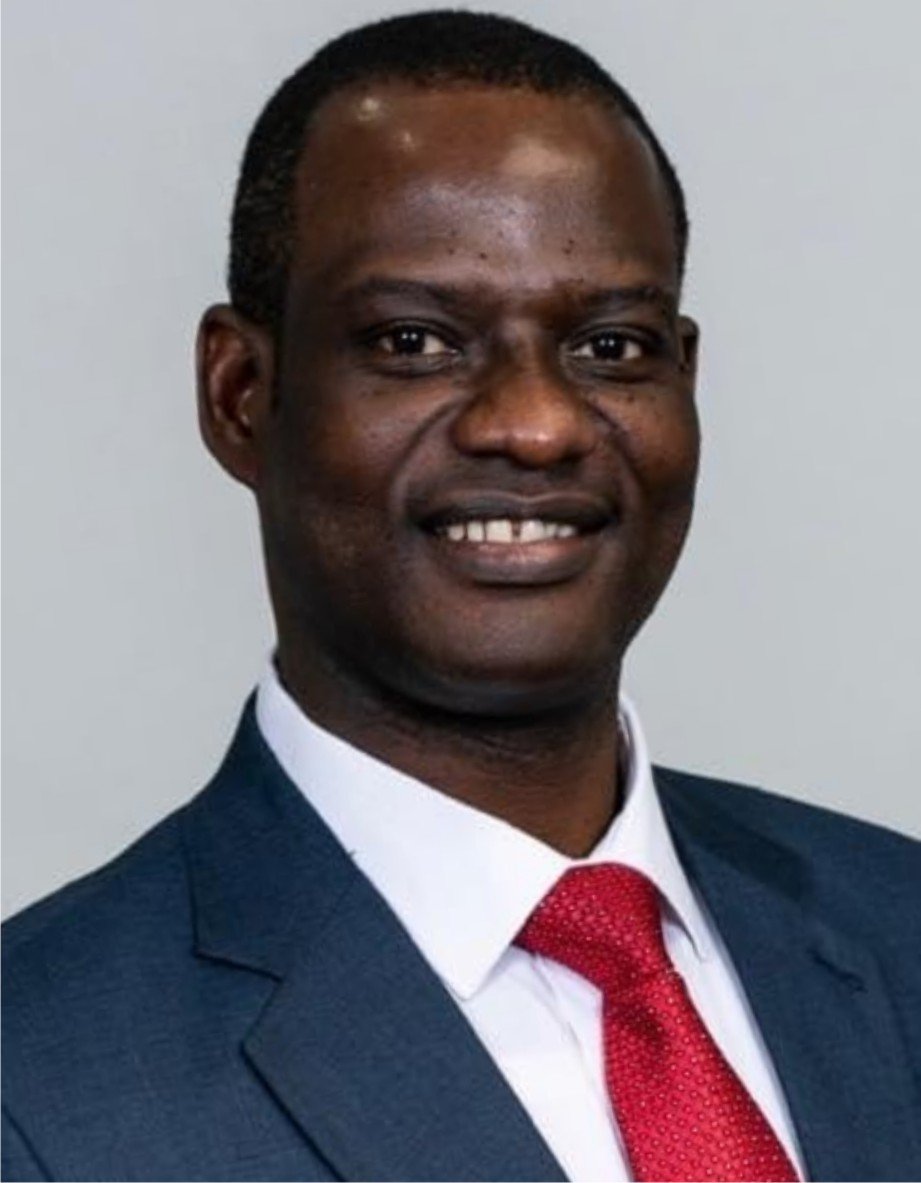
By Pres. TINUBU’s Tax Adviser, TAIWO OYEDELE
As Nigeria moves into 2026, few policy issues have generated as much public debate, curiosity, and concern as the new Tax regime introduced by President Bola Ahmed Tinubu. Despite months of nationwide sensitisation, many Nigerians — including small business owners, salary earners, and potential foreign investors — are still uncertain about how the reforms will affect their daily lives and businesses from January 1, 2026.
Addressing these concerns, Chairman of the Presidential Committee on Fiscal Policy and Tax Reforms, Mr. Taiwo Oyedele, has provided critical clarifications aimed at calming public fears and correcting misconceptions. Speaking during a televised programme, Oyedele explained that the new tax laws are deliberately designed to ease the burden on low-income earners, protect the middle class, stimulate local production, and encourage investment in critical sectors of the economy.
According to him, the government has identified five major areas where Nigerians spend most of their income and has deliberately removed Value Added Tax (VAT) from them to make life more affordable. These reforms, he noted, represent a major shift from the old tax structure and signal a people-centred fiscal policy focused on growth, productivity, and shared prosperity.
Below are excerpts from Mr. Oyedele’s explanation on the five areas Nigerians will no longer pay VAT under the new tax regime:
Let me start with VAT. I think that’s the one that affects most people. So, Value added tax is the tax you pay when you buy goods or services. Goods could be you’re buying a shirt, you’re buying a phone, services could be you’re paying for DSTV, you went to see a movie and so when that tax is added, it’s called value added tax.
Now what we have done, that should be interesting to people under these new tax laws, is that from next year January, we reformed the tax system such that this VAT will not place burdens on low income earners and even the middle class. How do I mean? We looked at what is it that people spend their money on in Nigeria and there were mostly five items. People spend their money on food, they spend it on rent, they spend it on transportation, they spend on education and they spend it on health.
So what we’ve done is for those five, we’ve designed a system to remove the VAT from them. One thing that is very important that your followers and listeners must benefit from today, I’ll use one example. If you produce and sell bread, bread is basic food.
Currently, under the old laws, VAT is not applicable on bread, it’s called exempt. So what that means is when you are selling your bread, don’t charge VAT. But the person, the baker that produces bread, must have incurred VAT in buying equipment, in buying a phone, in buying air time, the vehicle to go and deliver the bread.
All the VAT they incur in producing the bread, they’ll have to bear it. What would you do as a business person? You add up your cost, including VAT, to determine the cost of producing a loaf of bread. You add your margin and you determine how much you sell the bread.
Under this new reform, that person includes producing bread, the bread has been turned from exempt to zero rated. What it means is VAT will apply as 0% and it means that any VAT the baker has incurred in producing the bread will be refunded 100%. This is massive.
So those who are in the bakery, in the bread making business. It’s actually food. Okay.
We’ve done it for food. All food. We’ve done it for education. We’ve done it for health. If you know anybody that runs a school, whether it’s kindergarten, whether it’s university, tuition is zero rated from January, which means no VAT. Any VAT incurred from buying laptop to buying school bus, government will refund the VAT.
These are some of our reforms for these new laws. One of it will get people excited and in this reform, we’ve got many of it. So if you run a school. Yes. Hospital. Hospital has no VAT charges. Pharmacy, shop.
If you run a farm, in fact, under the new law, you run an agric business five years no tax. Beyond that, your produce. Five years from January.
From January 1, 2025. If you start a new farm business. Okay. You get five years tax free period. Okay. But even those that have been in business before and those that will be beyond five years, your produce are now zero rated.
You get your input back. By the way, a lot of the input you need for agric businesses, we remove the VAT on them. From farm implement to fertilisers. So this is really a regime that says, this tax regime says, we want people to thrive.
With these sweeping reforms clearly explained by Mr. Oyedele, the Tinubu administration is signalling a clear shift towards a more inclusive, growth-driven tax system that prioritises the welfare of ordinary Nigerians while supporting businesses to expand and create jobs. By removing VAT from essential areas such as food, housing, transportation, education, and healthcare — and by introducing zero-rating and tax holidays for key productive sectors like agriculture — the government aims to reduce living costs, stimulate local production, and position Nigeria as a more attractive destination for investment. As implementation begins, the real test will lie in effective execution, transparency, and sustained public engagement to ensure that the promised relief translates into tangible benefits for Nigerians across all strata of society.
-Jamiu Abubakar
