

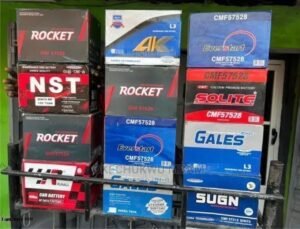
On a busy afternoon at Oke Afa Market and along the ever active street of Olowu Street in Ikeja, stacks of car batteries sit in neat rows, some wrapped in Korean lettering, others boldly stamped with Japanese or German names, and a growing number branded as locally assembled products.
Ten years ago, the choices were fewer, the prices far lower, and the competition far less intense. Today, the Nigerian car battery market has evolved into a fiercely contested space where foreign engineering, exchange rates, local assembly, and consumer awareness all collide.
A decade ago, around 2016, dealers around the Olowu Street in Ikeja recall that a standard 65Ah battery could be purchased for between N18,000 and N25,000 depending on the brand and origin. Premium imports rarely exceeded ¦ 40,000. Back then, maintenance batteries that required topping up with distilled water were still common, and motorists were less concerned about cold cranking amps or sealed technology. Many buyers simply asked for “a strong battery” and went with whatever their mechanic recommended.
Today, in 2026, that same 65Ah battery sells between N65,000 and N95,000 depending on brand and origin. A 75Ah unit now ranges from N75,000 to N120,000. Premium 100Ah batteries can climb to ¦ 150,000 or more. Dealers attribute this sharp rise, in some cases over 250 percent to 400 percent within ten years, to inflation, exchange rate volatility, import duties, shipping costs, and the global increase in raw material prices such as lead.
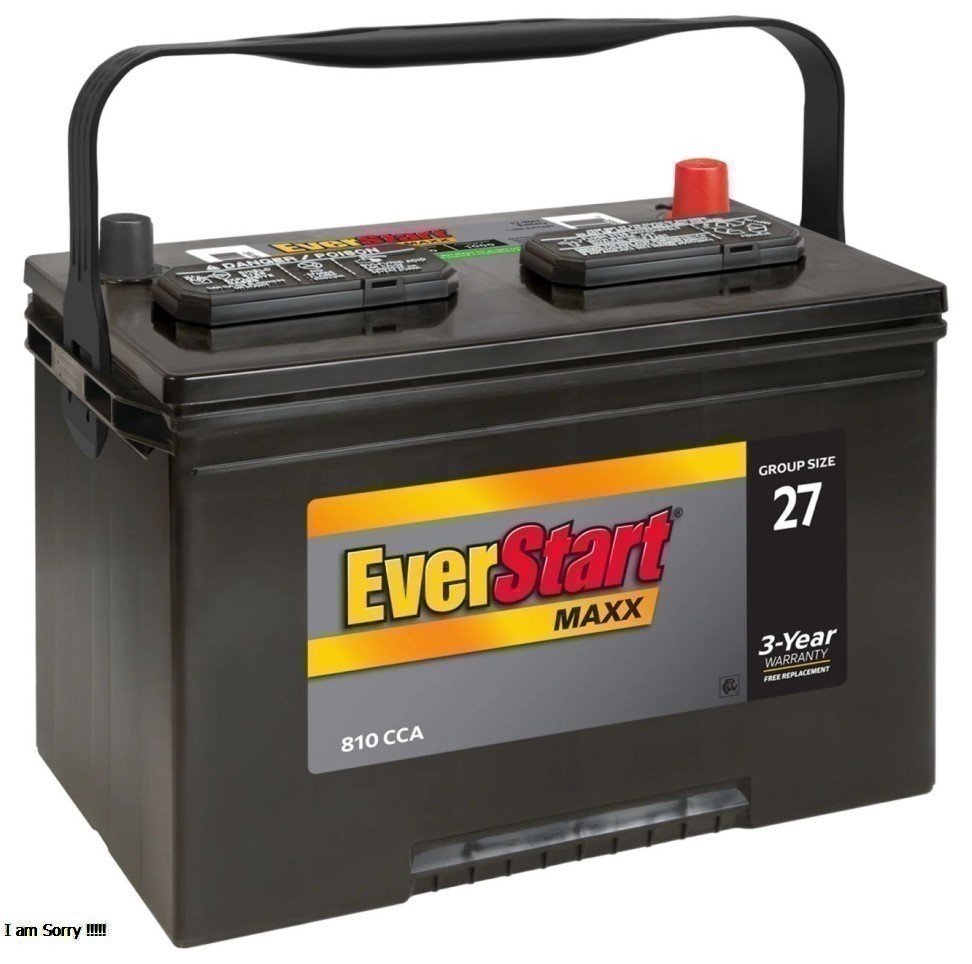
Across the stalls, certain names dominate the conversation. Solite, Rocket, Hankook and Everstart represent the strong Korean presence. Panasonic and Bosch hold the premium tier. Local and mixed origin brands such as Diamond, Arnold and Global Brand compete mainly on price.
Mr. Jide, who has sold batteries in Ikeja for over twelve years, remembers how different the market looked in 2016. “Back then Korean batteries were not as popular as they are now,” he says. “People were buying mostly cheaper local brands because the price gap was not wide. Today customers specifically ask for Solite or Rocket.”
He explains that in 2016 he could sell a mid range imported 75Ah battery for around N30,000. “Now that same category is close to N90,000 or more. The cost has nearly tripled, but customers still buy because they believe it lasts longer.”
Statistics from dealers’ associations in Lagos suggest that imported batteries accounted for roughly 45 percent of sales volume ten years ago, with local and lower priced brands making up about 55 percent. Today that ratio has shifted significantly. Dealers estimate that Korean and Japanese imports now represent nearly 65 percent of total sales in major hubs like Ikeja, while traditional low cost brands account for around 35 percent.
Mrs. Adesanya, who specializes in Korean batteries, says the shift happened gradually. “When maintenance free batteries first became popular, many people did not trust them,” she explains. “Now almost every customer asks for maintenance free. That change alone pushed older traditional batteries out.”
Ten years ago, maintenance batteries that required regular water topping dominated about 60 percent of the market. Today, sealed maintenance free batteries account for nearly 85 percent of sales in urban Lagos. This technological shift has reshaped brand competition. Older traditional brands that failed to innovate or rebrand have seen their market share shrink dramatically.
Mr. Olaniyi, who sells more affordable brands, acknowledges the pressure. “In 2016 I could sell maybe fifteen low budget batteries in a week and only five imported ones,” he says. “Now it is almost the reverse. Customers complain about replacing cheap batteries every year.”
He adds, “The new brands entering the market are more aggressive. Some Chinese manufacturers have also come in with sealed batteries that look like Korean ones but sell slightly cheaper. That has squeezed the traditional old brands even more.”
Over the last five years especially, new entrants from China and Eastern Europe have quietly entered Nigeria’s battery space. While not as well known as Korean or Japanese brands, they often position themselves between the premium and the budget segments. Dealers estimate that these newer entrants now control about 10 to 15 percent of the mid tier market, taking customers who once bought strictly local brands.
Mr. Chukwu, who deals in premium imports, says the high end segment has also grown. “Ten years ago maybe only top executives or luxury car owners bought Bosch or Panasonic,” he explains. “Today more middle class Nigerians are buying them because they see it as long term investment.”
In 2016 a premium European 62Ah battery might have cost around N35,000 to N45,000. In 2026 similar premium units now sell from N130,000 to N150,000. Despite the increase, dealers report that premium battery sales have grown by nearly 40 percent over the decade in Lagos urban centers.
Buyers confirm this shift in attitude. Mr. Kayode, a commercial driver, says, “I used to change my battery almost every year when I was buying cheap brands. Now I buy Korean and I get two or three years. Even though I pay more, it saves me money.”
Mrs. Bello, who recently purchased a premium unit, says, “With the traffic in Lagos and the way fuel scarcity affects driving patterns, I need something dependable. I prefer to pay once and forget about it.”
The impact on older traditional brands has been significant. Dealers estimate that some long standing low cost brands that once dominated the Nigerian market have seen their sales volumes drop by as much as 50 percent in major urban centers over the past decade. Some have rebranded, improved packaging, or shifted to sealed maintenance free models to remain competitive. Others have faded out entirely.
Exchange rate fluctuations have also reshaped competition. In 2016, the naira traded at a much stronger rate against the dollar compared to today. As the naira weakened, imported batteries became more expensive, but paradoxically more desirable. Many consumers equate higher price with higher quality, especially in automotive components.
Industry observers estimate that the total Nigerian automotive battery market has grown in value by more than 300 percent over ten years, driven not only by inflation but by the increase in vehicle ownership, ride hailing services, logistics companies, and generator backup systems that indirectly affect car battery usage patterns.
Dealers in Ikeja say competition today is no longer just about selling a battery. It is about warranty, authenticity and after sales service. Ten years ago warranties were informal and often verbal. Today many imported brands offer written warranties ranging from six months to one year, and some premium lines extend even further under certain conditions.
Mr. Emeka notes, “Customers now ask for date of manufacture and warranty card. That was not common before. The market has matured.”
The arrival of newer sealed technologies has also forced traditional brands to either upgrade or lose relevance. Maintenance free batteries now dominate urban shelves, while the older water refill types are gradually being pushed to rural markets where price sensitivity remains stronger.
Overall, the last decade has transformed Ikeja’s battery corridor from a largely price driven market into a layered competitive landscape divided into premium, mid tier and budget segments. Imported Korean and Japanese brands have strengthened their foothold. European premium brands have expanded their niche. Chinese and emerging brands have carved out a middle space. Traditional low cost brands have either adapted or declined.
As buyers weigh durability against cost, and dealers navigate exchange rates and global supply chains, one thing is clear. The car battery market in Nigeria is no longer static. It is dynamic, segmented and increasingly sophisticated. What was once a straightforward replacement purchase has become a calculated decision shaped by statistics, experience and the steady march of new entrants into an ever competitive market.
By Benprince Ezeh
08068599879
