

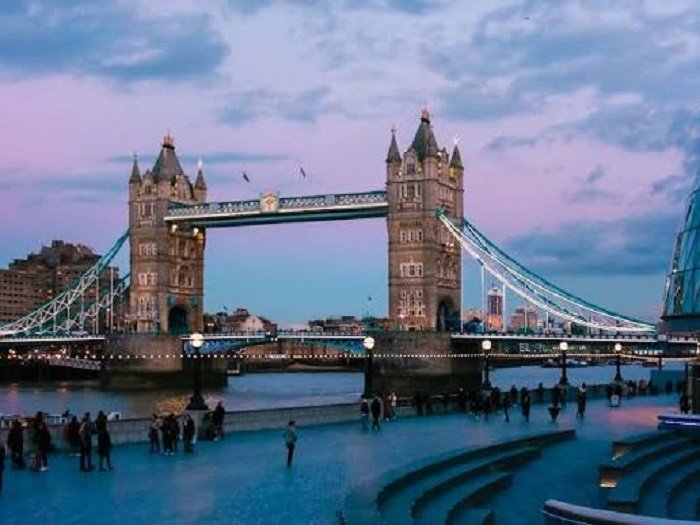
London sprawls across roughly 600 square miles and packs in more than 8 million residents, so treating it like a single destination is the first mistake most newcomers make. It’s really a collection of distinct towns and boroughs that happened to grow into each other over centuries. Understanding that from the start will save time, money, and a fair amount of confusion once you land at Heathrow or Gatwick.
Getting Your Bearings First
The River Thames splits the city into north and south, and most of the famous landmarks — Buckingham Palace, the British Museum, the West End theatres — sit north of the river. South London has its own draws, including the Tate Modern and Borough Market, but the tourist centre of gravity leans north. A paper map or offline app like Citymapper helps far more than relying on cell signal, which can be spotty underground.
Zone 1 covers the historic core and most sights worth seeing on a first visit. Zones 2 and 3 stretch into residential areas that are cheaper to stay in but require longer commutes. Knowing which zone you’re booking a hotel in changes both your budget and your daily schedule.
Mastering the Tube and Buses
The London Underground, known locally as the Tube, is the fastest way to cross the city, with 11 lines and 272 stations. Buy an Oyster card or simply tap a contactless bank card at the gates — both are cheaper than paper tickets and cap your daily spending automatically. Avoid the Central and Northern lines during weekday rush hour, roughly 8 to 9:30 a.m. and 5 to 6:30 p.m., when platforms get uncomfortably packed.
Double-decker buses move slower but offer a free, ground-level view of the city, which makes them worth using at least once, especially route 15 past St. Paul’s Cathedral. Walking is also underrated here: central London is more compact than its reputation suggests, and many “must-see” spots sit within a 20-minute walk of each other.
Picking a Neighbourhood to Base Yourself
Covent Garden and Soho put you within walking distance of theatres, restaurants, and late-night energy, though hotel prices reflect that convenience. South Kensington offers a quieter, more residential feel while still sitting close to three major museums. Shoreditch and Hackney, further east, appeal to travellers who want street art, independent coffee shops, and a younger crowd, though the commute into central London takes longer.
For a first visit, staying somewhere along the Circle or District line makes sightseeing simpler, since those lines connect most major attractions without requiring transfers. Bloomsbury, near the British Museum, is a solid middle-ground choice that balances price, quiet streets, and easy transport.
Seeing the Major Sights Without Wasting a Day
Buckingham Palace, the Tower of London, Westminster Abbey, and the British Museum draw enormous crowds, and lines can stretch over an hour during peak summer months. Booking timed-entry tickets online in advance, even for free attractions like the museum, cuts down on standing around considerably. Visiting popular sites before 10 a.m. or after 3 p.m. also helps you avoid the midday crush of tour buses.
For travellers who want context rather than just checkboxes, guided walks through neighbourhoods like the City of London or the East End can add real depth to a visit, since much of London’s history is layered into buildings that look unremarkable without explanation. A handful of companies run small-group London tours led by historians or local experts, which tends to work better than a generic bus loop if learning the backstory matters to you.
Eating Well on Any Budget
Borough Market, near London Bridge, is the easiest place to sample a wide range of food without committing to a sit-down meal, though it gets crowded on weekends. Pubs remain the most reliable option for an affordable dinner, and most serve food until 9 or 9:30 p.m. Curry houses along Brick Lane and dim sum in Chinatown reflect London’s genuinely international food scene, which often surprises first-time visitors more than the traditional fish and chips does.
Tipping in restaurants runs around 10 to 12.5 per cent, and many places already add a service charge to the bill, so check before adding extra.
Timing Your Visit Around the Weather and Crowds
June through August brings the warmest weather but also the largest crowds and highest hotel rates. Late September through October offers cooler temperatures, thinner crowds, and often better prices on flights and accommodation. Winter, particularly around Christmas, gives the city a different character entirely, with markets, lights, and shorter, moodier days that suit museum-heavy itineraries.
Rain is a near-constant possibility regardless of season, so a compact umbrella matters more than a raincoat for most days out.
A Few Practical Habits Worth Adopting
Stand on the right side of escalators in Tube stations; blocking the left side, reserved for walking, is one of the fastest ways to draw irritated looks from commuters. Carry a reusable water bottle, since public fountains are becoming more common in parks and museums. And build slack into any itinerary, because London rewards wandering as much as it rewards planning.
The real skill in exploring London isn’t seeing everything — it’s picking a few neighbourhoods, learning their rhythm, and letting the rest of the city stay a reason to come back.
