

For more than six decades, Milo has remained one of the most recognised and trusted beverage brands in Nigeria, surviving changing consumer tastes, economic downturns, rising competition and the arrival of numerous local and international brands. Today, the familiar green tin and sachet are found in millions of homes, supermarkets, kiosks and open markets across the country, making Milo one of the longest-standing and most successful chocolate malt beverages in Nigeria.
The story of Milo began in Australia in 1934 when Nestlé developed the chocolate malt drink as a nutritious beverage for children and families. Named after the legendary Greek athlete Milo of Croton, the product was created to provide energy and nourishment during a difficult economic period. Over the decades, Milo expanded beyond Australia into Asia, Africa and Latin America, eventually becoming one of Nestlé’s biggest global beverage brands.
Milo arrived in Nigeria in the early 1960s, shortly after the country’s independence, as Nestlé increased its investments in West Africa. At the time, the Nigerian market had relatively few branded nutritional beverages, giving Milo an opportunity to establish itself among growing middle-class families seeking nutritious breakfast options. As Nestlé Nigeria expanded its operations and later established local manufacturing, Milo became more affordable and readily available across the country.
The decision to manufacture locally proved to be one of the biggest reasons behind Milo’s success. Producing the beverage in Nigeria enabled Nestlé to improve distribution, respond quickly to market demand and introduce different pack sizes suited to various income levels. From the traditional tins to refill pouches, sachets and family packs, Milo became accessible to virtually every household regardless of income.
Over the years, competition intensified with brands such as Bournvita, Ovaltine, Cowbell Choco Malt, Cadbury 3-in-1 beverages and several imported chocolate drinks entering the market. Despite the competition, Milo continued to maintain a dominant position because of its strong brand reputation, consistent quality and nationwide distribution network.
Another major factor behind Milo’s longevity has been aggressive investment in marketing. For decades, television commercials, radio jingles, newspaper advertisements and school campaigns made the brand almost impossible to ignore. Generations of Nigerians grew up watching children drinking Milo before going to school or participating in sports competitions.
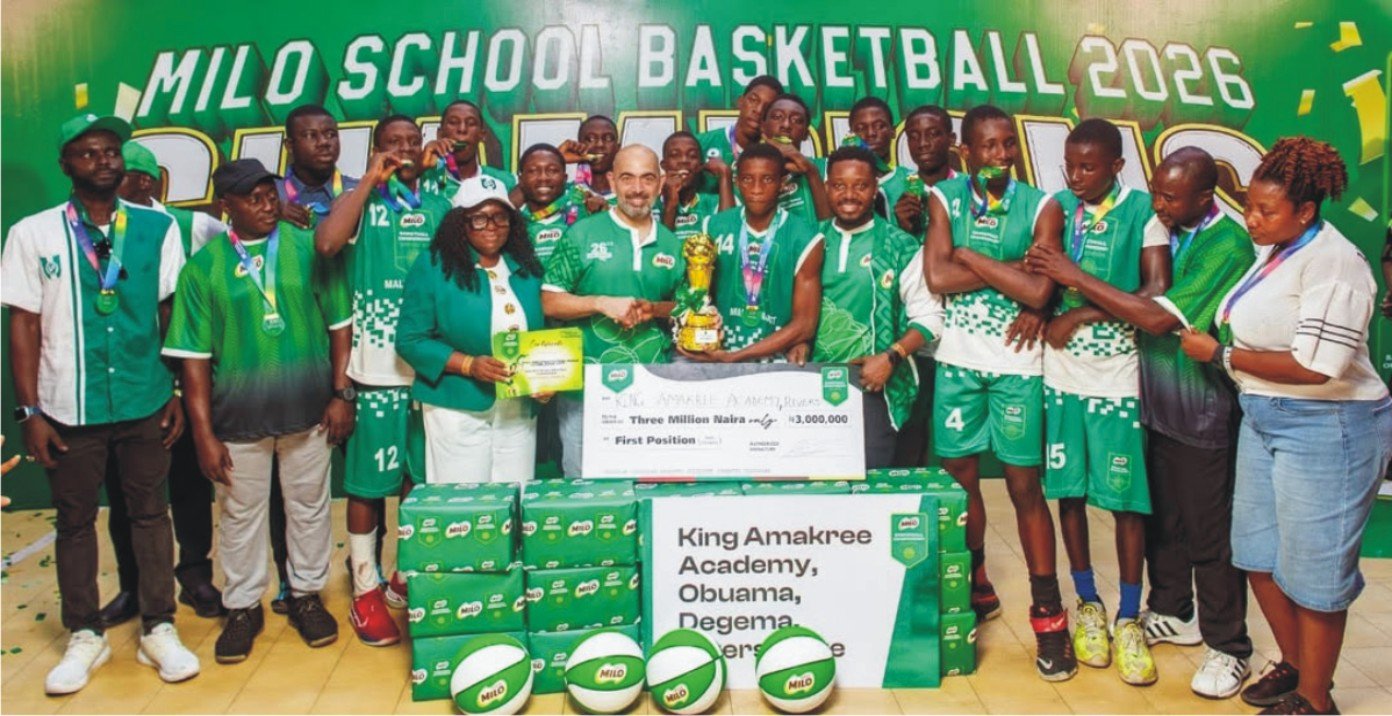
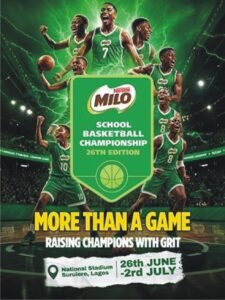
Nestlé also positioned Milo as a beverage associated with strength, energy and active lifestyles. Through initiatives such as the Milo Basketball Championship, which has been organised for decades, the company built a strong emotional connection with young Nigerians. Thousands of students have participated in the competition, with several athletes going on to represent Nigeria at international tournaments. These sporting programmes have helped reinforce the brand’s image as a drink that supports growth, endurance and excellence.
Nutrition has remained another pillar of Milo’s success. Nestlé has consistently highlighted the beverage’s blend of malt, cocoa, milk and essential vitamins and minerals, presenting it as a source of energy for growing children and active adults. Over the years, the company has also updated its formulations to align with changing nutritional recommendations while maintaining the familiar taste that consumers have come to love.
Nestlé Nigeria executives have repeatedly described Milo as one of the company’s flagship brands and a product that reflects its commitment to nutrition, health and wellness. Company officials often emphasise that continuous investment in quality control, innovation and local manufacturing has enabled the brand to remain relevant despite changing market conditions.
One Nestlé marketing executive said, “Milo has earned the trust of Nigerian families over several generations because we continue to focus on quality, nutrition and consistency.”
Another company representative added, “Our commitment is to keep improving the product while maintaining the taste and nutritional value that consumers have known for decades.”
Distributors and retailers say Milo remains one of the easiest beverage brands to sell because customers specifically ask for it by name. According to several supermarket operators and neighbourhood shop owners, demand remains strong throughout the year, particularly during school terms and festive seasons.
A supermarket manager in Lagos said, “Milo practically sells itself. Once our stock starts reducing, customers immediately ask when the next supply will arrive.”
A retailer in Enugu explained, “Parents have been buying Milo for years and now their children are buying it for their own families. That kind of loyalty is difficult for competitors to match.”
Consumers also point to familiarity, taste and confidence in the brand as reasons for remaining loyal despite the availability of alternatives.
A mother of three in Abuja said, “I grew up drinking Milo and my children are doing the same. I know what to expect every time I buy it.”
A university student in Ibadan added, “Whether with milk or just hot water, Milo still has that taste many of us grew up with.”
Another consumer in Port Harcourt said, “There are many chocolate drinks today, but Milo remains the first choice whenever I go shopping.”
Industry analysts believe Milo’s continued leadership is not based on history alone but on the company’s ability to adapt. Nestlé has consistently introduced convenient packaging, improved product availability, strengthened its distribution channels and embraced modern marketing strategies, including digital campaigns targeting younger consumers.
Even during periods of economic pressure, when rising inflation affected household spending, the availability of smaller and more affordable pack sizes helped the brand remain within reach of millions of Nigerians. The company’s extensive distribution network, reaching both major cities and rural communities, has also ensured that Milo remains visible in virtually every part of the country.
Today, more than 60 years after entering the Nigerian market, Milo remains one of the country’s most recognised beverage brands. Its combination of nutritional positioning, strategic marketing, nationwide availability, consistent quality and strong consumer trust has enabled it to withstand decades of competition and changing market realities.
As Nigeria’s beverage industry continues to evolve with new products and emerging consumer preferences, Milo’s remarkable journey demonstrates that sustained investment in quality, innovation and customer loyalty can keep a brand at the top for generations. For millions of Nigerians, Milo is more than just a chocolate malt drink; it is a household tradition that has become part of everyday family life and one of the enduring success stories in the country’s fast-moving consumer goods industry.
By Benprince Ezeh
08068599879
