

-
To Compete With HOLLANDIA Yoghurt
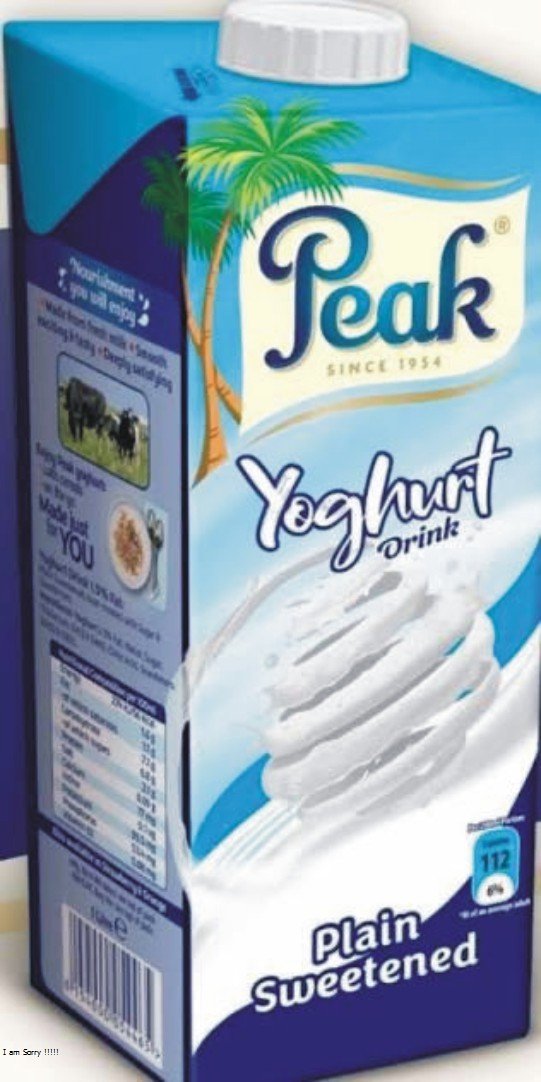
Peak Milk has been part of Nigerian households since 1954 and has grown into one of the country’s best-known dairy brands. The company has expanded its portfolio over the years, moving beyond evaporated and powdered milk into products such as Peak UHT Milk, Peak Chocolate, Peak Dairy Creamer and Peak Yoghurt Drink. The company describes Peak Yoghurt as a nourishing and refreshing yoghurt drink made from fresh natural cow milk collected from Nigerian dairy farmers.
This variety gives Peak the opportunity to reach different types of consumers. The 100ml pack, for instance, was introduced with lunch boxes and school children in mind, while the larger sizes can serve families and consumers who want more yoghurt.
Another major selling point for Peak Yoghurt is its connection with fresh milk. FrieslandCampina says the milk used for Peak Yoghurt is sourced through its dairy development programme from farmers in Nigeria. The company operates a milk collection network through which locally sourced milk is taken to its processing facility and used in Peak Yoghurt and other products.
This farm-to-product story gives Peak something to talk about as it competes in the yoghurt market. For many Nigerian consumers, the question is no longer just about whether a product tastes good. People also want to know what they are consuming, where it comes from and whether it provides nutritional value.
Peak has therefore continued to position its yoghurt around nourishment, freshness and convenience. Its official brand communication describes Peak Yoghurt as containing nutrients such as protein, calcium and vitamin B12, while presenting it as a product that can provide nourishment on the go.
The company’s marketing activities also show that Peak is not treating yoghurt as a side product. It is actively trying to make the yoghurt brand relevant to younger Nigerians, particularly students and young consumers.
One recent example is the Peak Yoghurt Campus Tour, which encourages university students and campus creatives to create short videos featuring Peak Yoghurt. The campaign offers grand prize, product packs for runners-up and an opportunity for selected content to be showcased. Participants are encouraged to produce 60-90 second videos around storytelling, lifestyle, fun and creativity.
The campaign is significant because social media has become one of the major battlegrounds for consumer brands in Nigeria. Young Nigerians spend a lot of time on platforms such as Instagram and other digital platforms, and brands are increasingly using creators, challenges, contests and lifestyle content to remain visible. Peak’s strategy is therefore not only about putting yoghurt on supermarket shelves. It is also about making the product part of conversations among young people.
This is where the competition with Hollandia becomes interesting.
Hollandia Yoghurt has been one of the most visible names in Nigeria’s drinking yoghurt market. Produced by CHI Limited, Hollandia has built a wide dairy portfolio that includes yoghurt, evaporated milk, UHT milk and lactose-free milk. Its yoghurt range currently includes Sweetened, Strawberry and Vanilla variants.
Over the years, Hollandia has invested heavily in marketing and consumer engagement. The brand has used social media campaigns, celebrity partnerships, contests and other consumer activities to remain close to its audience. For example, Hollandia has previously worked with Nigerian entertainers, including Yemi Alade and Seyi Shay, as part of campaigns designed to connect the yoghurt brand with younger consumers. Its campaigns have also encouraged consumers to share their experiences with Hollandia on social media.
More recently, Hollandia has continued to maintain an active digital presence. Its current social media communication focuses on lifestyle, nourishment, everyday routines and different ways consumers can enjoy the yoghurt. Recent posts have encouraged consumers to take Hollandia Yoghurt on its own, blend it into smoothies or use it in recipes. The brand has also connected its communication to major lifestyle and sporting conversations.
This means Peak is entering a category where Hollandia already understands the market and has built strong consumer recognition.
Hollandia’s advantage is its long-standing identity in the yoghurt category. For many consumers, especially those who regularly buy drinking yoghurt, the Hollandia name is already familiar. Its different flavours and pack sizes have also helped it appeal to different consumer preferences. Previous campaigns positioned its different pack sizes as suitable for different moments of everyday life.
Peak, however, is not coming into the market as an unknown brand. It has the strength of the Peak name behind it.
This could be one of the biggest advantages in the battle for market share. Nigerians have known Peak Milk for generations, and the brand has already built a reputation around dairy nutrition. FrieslandCampina describes Peak as an iconic Nigerian brand and says it caters to consumers across different income groups and age categories.
The company can therefore use the trust associated with Peak Milk to push Peak Yoghurt. A consumer who already buys Peak Milk may be more willing to try Peak Yoghurt because the name is familiar.
The company also has experience in the yoghurt category. Peak Yoghurt is not a brand that was introduced yesterday. FrieslandCampina says it launched the yoghurt in 2019 after an 11-month test-marketing phase. During the test phase, more than 98 per cent of consumers who tried and bought the product reportedly commended its taste. The launch was supported by television, radio, outdoor advertising, digital platforms, branded buses, billboards, product sampling and point-of-sale activities.
The company has continued to develop the category. Its 2023 annual report recorded strong growth for its yoghurt business, reporting that the yoghurt brand reached 180 per cent growth compared with the previous year.
The growing attention to yoghurt is understandable. Nigerians are looking for convenient food and drink options that can fit into busy lifestyles. A bottle or pack of yoghurt can be consumed at home, in the office, at school, while travelling or between activities.
This has made yoghurt an attractive category for dairy companies.
For Peak, the challenge now is to turn its existing brand strength into a stronger position in yoghurt. It has to convince consumers who already have their preferred yoghurt brands that there is a reason to switch, try something different or add Peak Yoghurt to their regular shopping list.
Taste will be important. So will price, availability, pack sizes, flavours and visibility.
In today’s Nigerian market, affordability cannot be ignored. Consumers are dealing with rising living costs and are becoming more careful about what they spend. A product may be popular, but if consumers feel that the price is too high for the quantity they are getting, they may look for alternatives.
This makes the smaller Peak Yoghurt packs particularly important. Smaller packs can allow consumers to buy according to their pockets while also helping the brand reach students, workers, children and other consumers who may not want to buy a large pack.
At the same time, the different flavours give consumers room to choose according to taste. Peak currently offers Plain Sweetened, Strawberry and Orange, while Hollandia offers Sweetened, Strawberry and Vanilla.
This means the competition will not only be about brand names. It will also be about which brand can continue to give consumers the combination of taste, quality, convenience and value that they want.
Marketing will equally play a major role.
Hollandia has shown over the years that it understands the importance of staying visible. From celebrity endorsements to social media contests and its more recent digital conversations around everyday living, the brand has consistently used consumer engagement to keep yoghurt in the minds of Nigerians. Its Stay Ahead with Dairy Power campaign, for instance, used mall activations, interactive contests and promotions to encourage consumers to make dairy part of their daily routine.
Peak is also stepping up its own consumer engagement. The Peak Yoghurt Campus Tour shows that the brand wants consumers to create content around the product rather than depending only on traditional advertising. This approach can help the brand connect with young Nigerians in a more direct and relatable way.
For consumers, this competition could be a good thing. When major brands compete, they have more reason to improve their products, create new flavours, introduce convenient pack sizes, run promotions and find better ways of connecting with customers.
By: Favour Okore
