

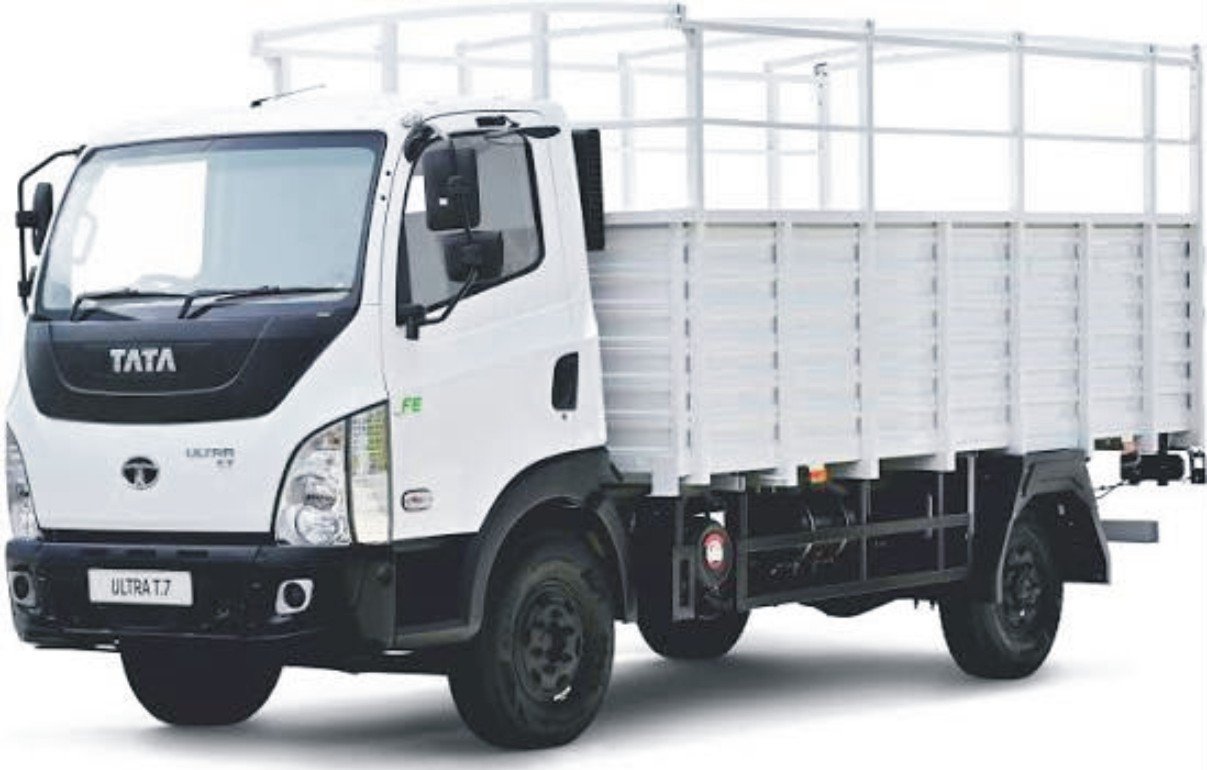
For two decades, Tata trucks have remained a familiar name on Nigerian roads, particularly among businesses and operators who depend on commercial vehicles to move goods, equipment and people across the country. From its formal commercial operations in Nigeria in 2006, Tata has grown from a relatively new entrant into an established player in the country’s commercial vehicle market.
Although Tata Motors says its relationship with the Nigerian market goes back much further, with commercial vehicles exported to Nigeria for about five decades, the major turning point came in 2006 when Tata Africa Services Nigeria Limited, now operating as Tata International Nigeria, commenced operations in Lagos as the exclusive distributor of Tata Motors trucks and buses.
That makes 2026 an important milestone for the brand’s Nigerian operation, marking 20 years since the distributor began its activities in the country.
The arrival of Tata’s trucks was significant because Nigeria has always had a strong demand for vehicles capable of handling the difficult realities of commercial transportation. Goods have to move from ports to warehouses, from factories to markets and from farms to urban centres. For many operators, the truck is not simply a vehicle but the foundation of the business.
Tata entered this environment with a broad range of commercial vehicles designed for different levels of transportation. Its Nigerian portfolio has included small, light, medium and heavy trucks, as well as tippers, pick-ups and buses. The company’s range has covered payloads from about one tonne to as much as 50 tonnes.
Among the products associated with Tata’s commercial vehicle offering are models such as the 407, 709, 713, 1518 and heavier Tata Prima trucks. The company has also promoted trucks for cargo transportation, construction and other heavy-duty applications.
One of the reasons the company has been able to remain relevant is its emphasis on support after the vehicle has been purchased. Tata International Nigeria has built a network covering sales, workshops, spare parts and technical support, while the company says it now has more than 40 touchpoints across Nigeria. It also operates a showroom, workshop and spares warehouse in Lagos, with an assembly facility capable of handling semi-knocked-down and completely-knocked-down kits.
This focus on after-sales service has become particularly important in Nigeria, where truck owners are highly conscious of downtime. For a commercial vehicle operator, every day a truck spends in a workshop can mean lost income. Genuine spare parts, access to mechanics and the ability to quickly return a truck to the road therefore remain major considerations when choosing a brand.
Tata has repeatedly positioned durability, reliability and cost of ownership as some of its biggest advantages. The company currently advertises a five-year driveline warranty on its commercial vehicle range and says it also provides 10 free routine maintenance services to fleet owners. It has described its approach as an “Uptime strategy”, with the goal of keeping customers’ vehicles working and productive.
The company’s confidence has also been reflected in its comments about the Nigerian market. In 2015, when Tata International inaugurated a new showroom in Lagos, its Managing Director, Noel Tata, acknowledged the need to strengthen the company’s reach while announcing plans to expand its Nigerian operations.
“We are pleased to announce the start of our project for the assembly of vehicles in Nigeria through our local partner, IPI,” he said at the time. He also disclosed that Tata had trained more than 200 technicians for its network partners and key customers since beginning operations in Nigeria.
By that time, the company said it had already sold more than 6,000 vehicles in Nigeria and had achieved about 15 per cent market share in the segments in which it operated.
For truck owners and businesses, the attraction has largely been the practical nature of the vehicles. Operators want trucks that can carry heavy loads, survive demanding road conditions, consume fuel reasonably and remain economical to maintain. Tata’s continued presence suggests that the brand has found a section of the Nigerian market that values those qualities.
The company itself describes its products as solutions built around “value for money, service levels that impress, low cost of ownership, productivity, reliability and excellent customer support.”
Tata has also benefited from the enormous variety of transportation needs in Nigeria. A small business moving products within a city does not require the same truck as a construction company transporting heavy materials between states. That is why the company has continued to maintain a wide commercial vehicle portfolio, ranging from smaller trucks to heavy-duty Prima models.
Beyond trucks, Tata’s Nigerian story has also included buses. In 2012, Tata Motors said its buses helped support efforts to revamp public transportation, while its vehicles were also used as taxis and pick-ups for election duties.
Twenty years after Tata International Nigeria formally commenced operations, the brand has therefore become part of the country’s commercial transportation landscape. Its journey has not been without competition, especially in a market crowded with Japanese, European, Chinese, Indian and other international truck manufacturers. Rising vehicle prices, foreign exchange challenges, expensive spare parts, poor roads and the general cost of running a transport business have also tested manufacturers and customers alike.
Yet Tata has continued to adapt by expanding its product range, strengthening after-sales support and promoting financing solutions designed to make commercial vehicles more accessible to businesses. The company says it has rolled out retail financing arrangements in Nigeria to help customers acquire its vehicles and equipment.
For many Nigerians who have encountered Tata trucks on highways, in industrial areas, at construction sites and around major markets, the brand has become more than just another imported vehicle. It has become one of the workhorses competing for a place in a demanding commercial transportation industry.
As Tata marks 20 years of formal operations in Nigeria in 2026, the celebration is also a reminder of how far the brand has travelled. From its Lagos beginnings in 2006 to a wider network of sales, service and spare-parts support, Tata has spent two decades trying to establish one message in the Nigerian market: that its trucks are built not merely to move goods, but to keep businesses moving.
By Benprince Ezeh
08068599879
