

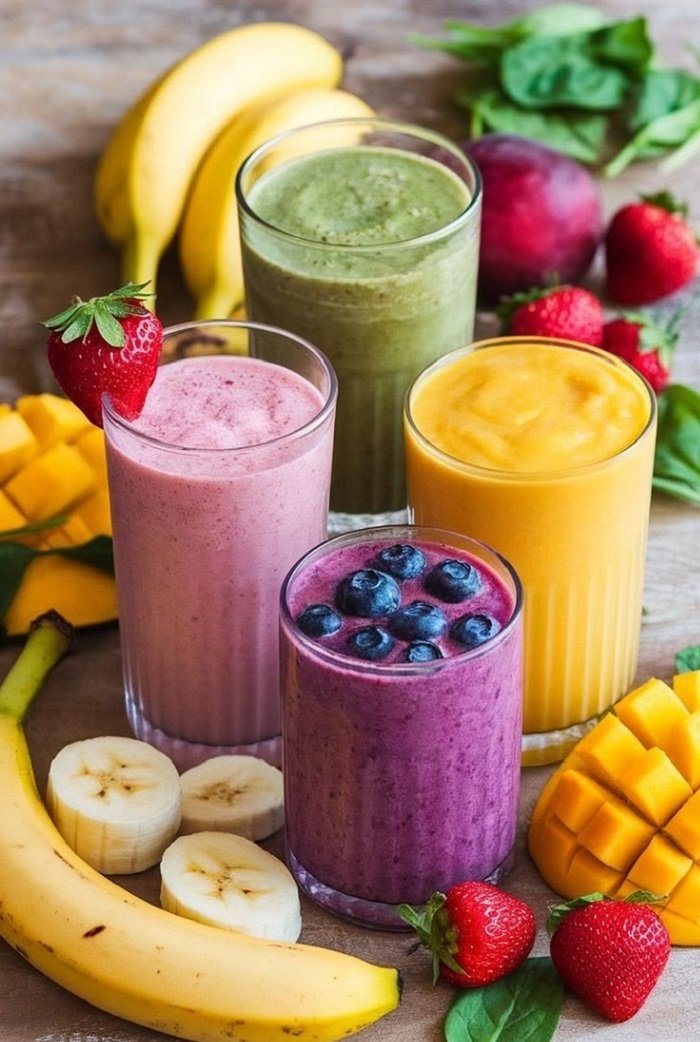
Every day, millions of people face the same small decision at a restaurant, supermarket, or neighbourhood kiosk. Do they reach for the familiar bottle of fizz or try something that looks healthier? More and more people are now choosing smoothies over carbonated drinks, and this shift is changing the beverage industry in ways that are hard to ignore. The reasons go beyond just taste or fashion. Science and simple nutrition sense are driving this change, one blended cup at a time.
The numbers tell a powerful story. The global smoothie market was worth about $12.46 billion in 2023 and is expected to nearly double to $23 billion by 2030. That is growth of nearly 10 per cent every year, which is remarkable for any food category. In Africa, the smoothie market is also rising quickly, with countries like Nigeria, South Africa, and Egypt leading the way as more people become aware of what they are drinking. This is not just a Western trend. It is happening everywhere as access to health information grows and consumers become more deliberate about their choices.
So why are people moving away from carbonated drinks? The health reasons are hard to ignore. Sugary fizzy drinks are the biggest source of added sugars in many diets around the world. Regular consumption of these drinks has been linked to obesity, type 2 diabetes, weight gain, heart disease, and even certain cancers. Even diet sodas, which many thought were safer, have been connected to a higher risk of stroke and other health problems. Studies have also found that fizzy drinks can lead to weaker bones because of their high phosphate content, tooth decay, and stomach problems like gas and bloating. For people who follow health news, these warnings have been difficult to overlook.
What makes smoothies stand out is the combination of real fruits and vegetables that actually nourish your body. UC Davis researchers have found that blending certain ingredients together can determine whether your body absorbs the maximum nutritional benefit. A popular combination like banana, spinach, and mango delivers potassium for heart health, iron from spinach for blood oxygenation, and vitamin C from mango for immune support. Another favourite, mixed berries with Greek yoghurt, gives you antioxidants from the berries to fight cell damage while the yoghurt provides protein and probiotics for a healthy gut. These are not just random mixtures. They are deliberate combinations backed by nutritional science.
For those looking to boost their energy levels, a smoothie made with banana, oats, and peanut butter is a popular choice. The banana provides natural sugars and potassium, oats offer slow-burning carbohydrates for sustained energy, and peanut butter adds protein and healthy fats to keep you feeling full for hours. People who drink this combination for breakfast often report fewer energy crashes throughout the morning compared to those who start their day with sugary cereals or carbonated drinks. Athletes and gym enthusiasts particularly favour this mix because it supports both performance and recovery.
Digestive health is another area where smoothies shine. A blend of pineapple, ginger, and cucumber is known for its digestive benefits. Pineapple contains bromelain, an enzyme that helps break down protein and reduces inflammation in the gut. Fresh ginger adds a warming effect that soothes nausea and supports stomach motility. Cucumber provides hydration and gentle fibre that keeps things moving smoothly. Health practitioners often recommend this combination to people dealing with bloating, constipation, or general digestive discomfort. The beauty of this smoothie is that all three ingredients are accessible and affordable in most markets.
The immune system gets a significant boost from certain smoothie combinations too. An immune-boosting smoothie featuring fresh ginger, turmeric, and citrus fruits like orange or grapefruit is rich in vitamin C and anti-inflammatory compounds. Ginger has been used traditionally to fight infections, while turmeric contains curcumin, which has powerful anti-inflammatory and antioxidant properties. Adding a spoonful of honey not only sweetens the blend naturally but also provides antibacterial benefits. This combination is particularly popular during cold and flu season, and many families have made it a regular part of their wellness routine.
Weight management is a major reason many people switch from soda to smoothies. The fibre content in smoothies helps promote satiety and reduce cravings for unhealthy snacks between meals. A combination like cherries, lemon, spinach, and beets creates a light but satisfying drink that supports metabolism and fat-burning. Berries, especially raspberries and blackberries, are particularly valuable for weight management because a single cup provides about eight grams of fibre, which is roughly a third of the daily recommended intake. Unlike carbonated drinks that provide empty calories and leave you hungry soon after, smoothies can actually help you eat less overall.
The trend is especially visible in Africa, where economic growth and increasing health awareness are driving change. As more people earn higher incomes and become conscious about what they consume, they tend to choose beverages that offer genuine value rather than just sweetness and fizz. Young professionals, fitness enthusiasts, and parents trying to feed their families better are all contributing to this shift. Smoothie bars and health food cafes are appearing in major Nigerian cities, responding to demand from consumers who want access to these nutritious drinks without having to make them at home. This growing infrastructure makes it easier for more people to participate in the smoothie lifestyle.
The big beverage companies have noticed this change. Major manufacturers of carbonated drinks are now launching their own versions of healthier options, including flavoured waters and reduced-sugar products. Some are even buying existing smoothie brands or creating new ones to take advantage of the growing demand. This corporate response shows that the beverage industry understands the game has changed. The era when fizzy drinks were the default choice for refreshment is giving way to a more thoughtful approach where consumers expect their drinks to contribute something positive to their health.
At the end of the day, the move from carbonated drinks to smoothies reflects a deeper change in how people think about what they eat and drink. Health information has become more accessible through social media, apps, and news stories, making it easier for ordinary people to understand the real effects of their choices. Smoothies represent a simple but meaningful upgrade: they refresh without the guilt, taste good without being overly sweet, and nourish without requiring a special diet or lifestyle overhaul. Whether bought from a cafe or made at home with whatever fruits are available, smoothies have earned their growing place in daily life. For anyone still reaching for that fizzy drink, trying one of the health-boosting combinations mentioned above might just be the first step toward a better relationship with what they drink.
Sarah OJO
09037325110
