

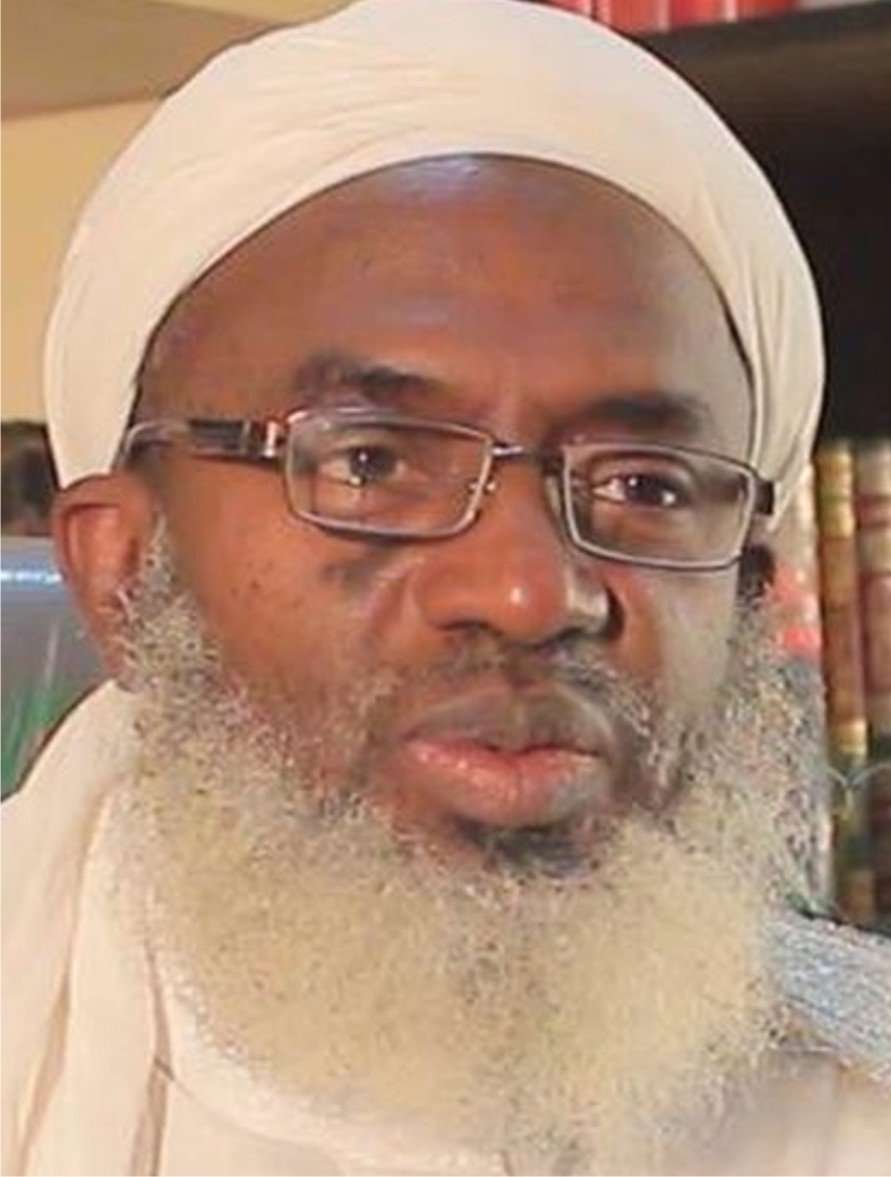
Sheikh Ahmad Gumi is a big name in the North. Everybody knows him. He is always in the news, all the time talking about how to combat Insecurity and Terrorism in the North. And his views are usually controversial.
Many don’t know a lot about this bearded Islamic cleric. Many don’t know he is a medical doctor, known for his controversial stance on negotiating with Terrorists and armed groups in Nigeria.
He’s advocated for dialogue over military force, suggesting that terrorists are “neighbors” and should be engaged in talks. Gumi has been involved in several high-profile negotiations, including the release of 27 students from Federal College of Forestry Mechanisation in 2021. However, his approach has sparked criticism, with some accusing him of always sympathizing with terrorists.
Gumi has also made statements implicating foreign powers, particularly the US, in sponsoring terrorism in Nigeria, claiming they aim to destabilize the country and establish military bases. He’s emphasized the need for domestic peacebuilding and intelligence-based strategies to tackle insecurity.
Sheikh Ahmad Gumi is against foreign intervention in Nigeria’s security affairs, particularly the US airstrikes against ISIS targets in the country. He believes foreign powers, like the US, have hidden motives and are not genuinely interested in helping Nigeria, but rather in advancing their own interests. Gumi suggests that Nigeria should seek help from “neutral” countries like China, Turkey, or Pakistan instead.
He’s also concerned that US involvement will polarize Nigeria along religious lines and infringe on national sovereignty. Gumi emphasizes that Terrorism should be fought by “clean hands” and questions the US’s moral authority to intervene, given its global military record.
Gumi has also accused foreign powers of backing terrorists in Nigeria, stating that external support is fueling insecurity in the country.
He talks about Turkey a lot. Why does he like Turkey?
City People gathered taht Sheikh Ahmad Gumi severally has praised Turkey’s role in international relations and has suggested Nigeria seek help from countries like Turkey, citing its “neutral” stance. He appreciates Turkey’s diplomatic approach and its efforts in mediating conflicts in various regions.
Insiders say Gumi’s inclination towards Turkey might stem from:
Neutral stance: Turkey’s perceived neutrality in global conflicts.
Diplomatic approach: Turkey’s emphasis on dialogue and mediation
Muslim-majority country: Shared faith and cultural ties
Gumi has also mentioned Pakistan and China as alternatives to Western powers, indicating his preference for partnerships with countries that respect Nigeria’s sovereignty.
Why does he not like the West?
City People gathered that Sheikh Ahmad Gumi’s skepticism towards the West stems from his perception that Western powers, particularly the US, have ulterior motives in Nigeria. He believes they:
Fuel insecurity: Gumi accuses the West of backing terrorists in Nigeria to destabilize the country.
Seek control: He thinks Western powers aim to establish military bases and exploit Nigeria’s resources.
Polarize Nigeria: Gumi fears Western intervention will worsen religious tensions and infringe on national sovereignty.
Gumi’s stance is likely influenced by:
– Colonial history: Nigeria’s past experiences with Western colonialism and exploitation.
Global power dynamics: Perception of Western powers as self-serving and dismissive of African interests.
He advocates for partnerships with “neutral” countries like Turkey, China, or Pakistan, seeking alternative paths to security and development.
Let’s dig deep. Let’s tell you a lot more about Sheikh Ahmad Gumi. He is a prominent Islamic cleric, scholar, and medical doctor. Born on October 1, 1960, in Kano State, he’s the eldest son of the late Sheikh Abubakar Gumi, a renowned Islamic scholar.
Gumi attended Sardauna Memorial College and later studied Medicine at Ahmadu Bello University. He also pursued Islamic studies in Saudi Arabia, where he deepened his knowledge of Qur’anic Sciences and Hadith at Umm al-Qura University .
He is a Medical Doctor: Gumi practiced medicine in Nigeria and served as a Medical Officer in the Nigerian Army Medical Corps, retiring with the rank of Captain.
He is an Islamic Scholar: He succeeded his father as the scholar at the Sultan Bello Mosque in Kaduna and is currently the Mufti and Mufassir (Islamic scholar and commentator).
He is a Mediator: Gumi has been involved in negotiating with bandit groups and armed individuals in Nigeria, advocating for dialogue and reconciliation.
Gumi’s approach to negotiating with terrorists and armed groups often spark criticism, with some accusing him of legitimizing criminality. He’s also alleged that foreign powers support insecurity in Nigeria.
Sheikh Ahmad Gumi believes negotiating with bandits and terrorists is a viable approach to resolving Nigeria’s security crisis. He thinks:
Dialogue is key: Gumi advocates for talking to armed groups, understanding their grievances, and addressing their concerns.
Humanitarian concerns: He prioritizes saving lives and freeing captives, often negotiating with bandits to release hostages.
Root causes: Gumi believes poverty, marginalization, and lack of opportunities drive people to join armed groups, and addressing these issues can reduce violence.
Gumi’s approach is rooted in his:
Islamic teachings: Emphasis on mercy, compassion, and forgiveness.
Personal experience: He’s witnessed the impact of violence and believes dialogue can bring peace.
However, critics argue that his approach:
Legitimizes criminals: Some see Gumi’s negotiations as condoning or empowering bandits.
Undermines state authority: Others believe it weakens the government’s role in maintaining law and order.
Why does he like negotiating with the bandits?
How come the Tinubu government tolerates his views?
Some say the Nigerian government’s tolerance of Sheikh Gumi’s views is due to a combination of factors, including freedom of speech and the complexities of addressing terrorism. The government faces a delicate balance between allowing public discourse and maintaining national security.
Some possible reasons for the government’s stance include:
– Freedom of Expression: Nigeria’s constitution guarantees freedom of speech, making it challenging for the government to silence Gumi without facing backlash.
– Gumi’s Influence: As a prominent Islamic scholar, Gumi has a significant following, and silencing him could exacerbate tensions.
Security Strategy: The government may be exploring all avenues to address terrorism, including dialogue, which Gumi advocates for.
However, critics argue that Gumi’s views may be emboldening terrorists and undermining the government’s efforts to combat insecurity. The Campaign for Democracy has accused the government of “appeasement” and called for Gumi’s arrest and prosecution.
Has he successfully negotiated with bandits before? Oh yes.
Sheikh Ahmad Gumi has had some success in negotiating with bandits, claiming to have led over 600 bandits to surrender in January 2021, with their commanders agreeing to lay down arms in exchange for security and basic amenities. However, the government didn’t fulfill the agreed conditions, leading to the collapse of the peace initiative.
Gumi has consistently advocated for dialogue and negotiation, citing examples like the Niger Delta militants’ rehabilitation. He believes negotiations work, pointing out that the military has been fighting Boko Haram and bandits for years without success .
Some attacks have lessened in areas where negotiations are ongoing, like Zamfara and Sokoto States. However, critics accuse Gumi of shielding terrorists and undermining government efforts.
How come Saudi Arabia authorities don’t encourage him visit to the country?
Saudi Arabia has denied Sheikh Ahmad Gumi entry into the country, citing discomfort with his views on world politics. Gumi, a prominent Islamic cleric, had been granted a Hajj Visa but was stopped at Medina airport and deported back to Nigeria. He believes the Saudi authorities are with his perspectives on global politics.
This isn’t the first time Gumi has faced issues with Saudi Arabia.
What is Sheikh Gumi’s views on Terrorism?
Sheikh Ahmad Gumi, has repeatedly expressed views on Terrorism that emphasize negotiation over military force. He believes that bombing terrorists won’t end Terrorism, as it’s rooted in ideology, and instead advocates for addressing the grievances of armed groups.
Gumi has been criticized for his stance, with some accusing him of sympathizing with terrorists. He argues that terrorists are “neighbors” and should be engaged in dialogue, citing the US-Taliban negotiations in Qatar as an example.
The key points of Gumi’s views on terrorism include the following:
– Negotiation is key: Gumi insists that dialogue is necessary to resolve conflicts, rather than relying solely on military action.
– Address grievances: He believes understanding and addressing the concerns of armed groups is crucial to ending violence.
– Foreign intervention: Gumi accuses foreign powers of backing terrorists in Nigeria, citing recent attack patterns as evidence.
Gumi’s approach has sparked debate, with some seeing him as a pragmatic peacemaker and others as a sympathizer of terror.
Some of his notable mediation efforts include:
Negotiating with bandits: Gumi has urged the government to engage in dialogue with bandits, citing successful negotiations in the past.
Securing releases: He’s helped secure the release of abducted individuals, including schoolchildren.
Addressing grievances: Gumi believes understanding and addressing the concerns of armed groups is crucial to ending violence.
However, his approach has sparked controversy, with some accusing him of sympathizing with terrorists or undermining government efforts.
Why is he opposed to the US bombing in Sokoto?
Sheikh Ahmad Gumi is opposed to the US bombing in Sokoto because he believes it won’t effectively end terrorism, which he thinks is rooted in ideology. He also accuses the US of sponsoring terrorism and questions their motives, suggesting they have ulterior goals. Gumi advocates for negotiation and addressing grievances rather than relying solely on military force.
He’s also concerned about the potential consequences, such as polarizing Nigeria along religious lines, infringing on national sovereignty, and causing civilian casualties.
