

Politics in Rivers State is already heating up, ahead of the 2027 governorship election.
Beneath the surface, political alignments, ethnic calculations, personal loyalties, and power struggles are quietly shaping what promises to be one of the most intense contests in the Niger Delta.
At the heart of the unfolding drama is the bitter feud between former Governor Nyesom Wike and his successor, Governor Siminalayi Fubara. What began as a mentor-successor relationship has transformed into a fierce battle for influence, succession, and political survival.
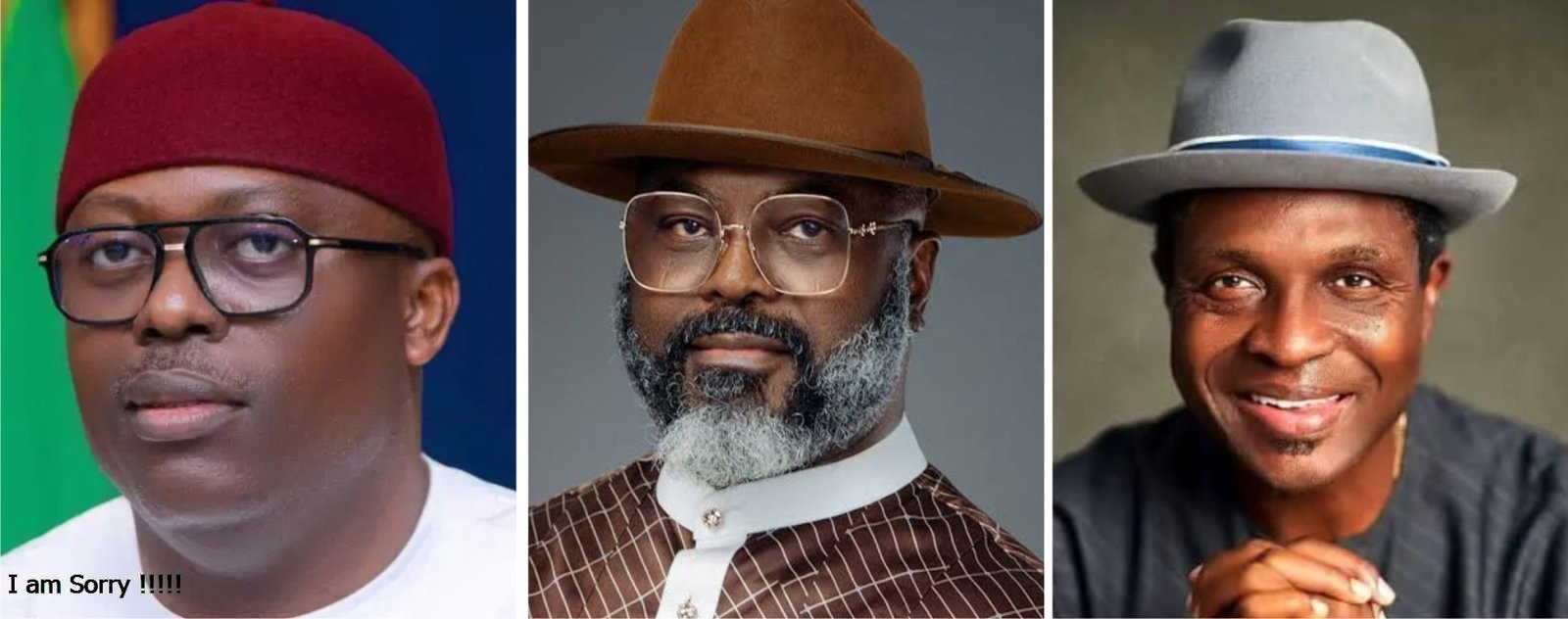
Although no party has yet unveiled an official candidate, several prominent names have emerged as potential contenders, each representing distinct interests, regional blocs, and strategic ambitions.
- ALABO DAKORINAMA GEORGE-KELLY (DAX GEORGE-KELLY)
Dr. Alabo Dakorinama George-Kelly, popularly known as Dax George-Kelly, is a chartered Quantity Surveyor and Construction Management Expert gaining increasing attention. A Kalabari technocrat, he served in key roles during the Wike administration, including Special Adviser on Projects, Head of the Bureau for Special Projects, and Commissioner for Works. He is credited with hands-on delivery of major road and infrastructure projects across the state.
With a PhD in Construction Management, George-Kelly projects the image of a competent administrator rather than a career politician. He currently serves as Director-General of the Border Communities Development Agency and is increasingly mentioned as a possible APC governorship contender reportedly backed by elements within the Wike political camp.
Supporters praise his calm, result-oriented style and capacity to sustain infrastructure development. Critics, however, note that his grassroots political structure is still developing and may not yet rival that of more established politicians.
HON. KINGSLEY O.K. CHINDA
Hon. Kingsley Chinda represents political structure, legislative experience, and party loyalty. The Minority Leader in the House of Representatives and a longtime PDP stalwart from Obio/Akpor Federal Constituency, Chinda is a lawyer and close ally of Nyesom Wike.
His supporters highlight his deep grassroots connections, discipline, and national visibility. However, his potential candidature faces questions over ethnic balancing, as calls for continued riverine representation in Government House grow louder. Despite this, Chinda remains a strong factor in succession calculations among those who prioritise political experience and party discipline.
GOVERNOR SIMINALAYI FUBARA
Governor Siminalayi Fubara’s political story is one of the most dramatic in recent Rivers politics. Having served as Accountant-General under Wike, he rode on his benefactor’s support to become governor in 2023. The relationship soon collapsed into open rivalry, turning mentor and successor into political adversaries.
Despite the crisis, Fubara retains significant incumbency advantages, public sympathy in some quarters, and support from sections of the riverine political establishment. To his supporters, he symbolises resistance against godfatherism. Critics argue that prolonged conflict has undermined governance and institutional stability.
His political future will likely hinge on his ability to build independent structures, navigate national APC politics, and counter Wike’s formidable network.
PASTOR TONYE COLE
Pastor Tonye Cole, businessman and co-founder of the Sahara Group, is eyeing another shot at the governorship. A polished corporate figure with strong elite and financial connections, he has twice contested under the APC platform (2019 and 2023).
Cole is a graduate of the National Institute for Policy and Strategic Studies (NIPSS), Kuru, Jos, Plateau State, and holds the mni (Member of the National Institute) designation. Supporters view his private-sector experience as an asset for modern governance. However, his previous electoral defeats have raised persistent questions about his grassroots mobilisation capacity.
HIGH CHIEF DUMO LULU-BRIGGS
High Chief Dumo Lulu-Briggs remains a prominent Kalabari businessman, philanthropist, and political figure from the riverine axis. He commands cultural influence and enjoys popularity in parts of the Niger Delta, consistently advocating for riverine inclusion.
His political strength derives from financial capacity, philanthropic visibility, and a solid Kalabari base. However, electoral success has so far eluded him. He has since joined the National Democratic Congress (NDC) and is eyeing its 2027 governorship ticket. Analysts believe his role could be more strategic in alliance-building than as a frontrunner unless major coalitions emerge.
OTHER NOTABLE MENTIONS
Other figures frequently mentioned in political discussions include Senator Magnus Ngei Abe, former Attorney-General Zacchaeus Adangor, Isaac Kamalu, and Alabo Boma Iyaye of the NDDC, who has publicly denied governorship ambitions. While none currently dominates the conversation, Rivers politics is known for surprise alliances and last-minute realignments.
THE WIKE FACTOR
No analysis of Rivers politics is complete without Nyesom Wike. Even out of office, the former governor and current FCT Minister retains enormous influence through loyalists in party structures, local governments, and his Grassroots Development Initiative (GDI).
Many believe Wike aims to shape the 2027 outcome across party lines through his political machinery, financial strength, and strategic positioning.
ETHNIC AND REGIONAL DYNAMICS
The Wike-Fubara crisis has amplified long-standing upland-riverine tensions in Rivers State. Fubara, from the riverine Ijaw (Opobo) axis, was seen by many as restoring political balance after years of upland dominance. The rift quickly acquired ethnic undertones, though both sides insist the conflict is primarily about loyalty and control.
Not all Ijaw leaders back Fubara, and not all upland politicians align strictly with Wike. The reported interest in another riverine figure like George-Kelly within Wike’s camp underscores the strategic importance of ethnic balancing.
PARTY UNCERTAINTY AND OUTLOOK
Both the APC and PDP in Rivers State remain deeply divided. Court cases, defections, and possible federal interventions could reshape the landscape. The role of President Bola Ahmed Tinubu and national party leaders is expected to grow in significance.
But FCT Abuja Minister Nyesom Ezenwo Wike is positioning Rainbow Coalition Movement under Renewed Hope Ambassadors as a veritable platform for less friction during election days to avert loss of human lives and destruction of properties. Hence is ability to control both APC and PDP mixed together in RIVERS STATE political landscape as at today.
As 2027 approaches, Rivers politics remains fluid — a complex interplay of ambition, ethnicity, power, loyalty, and survival. The resolution of the Wike-Fubara rift, whether through reconciliation or continued confrontation, will likely define the state’s political direction for years to come.
— Emeka Amaefula
+234(0)8111813069
