

-
JAZZMAN OLOFIN Reveals The BIG Hit
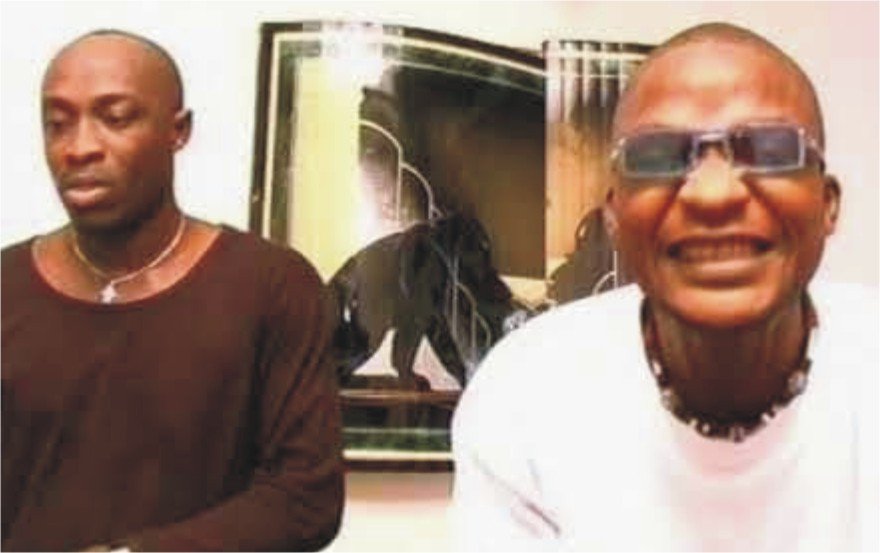
There are songs that come and go, and there are others that remain in the hearts of music lovers for decades. For Nigerian singer Jazzman Olofin, Raise Da Roof is one of those songs. More than two decades after its release, the record remains one of the songs most closely associated with his name.
The song brings together Jazzman’s energetic Afro-hip-hop sound and the Fuji influence of Chief Adewale Ayuba. Its infectious rhythm and memorable chorus help it stand out at a time when Nigerian pop music is beginning to explore exciting ways of blending traditional sounds with contemporary music.
In this conversation with City People’s EMMANUEL DANIJI, Jazzman reflects on the song that takes his career to another level, his musical journey, his collaboration with Ayuba, the controversy surrounding the song and his thoughts on the changing Nigerian music industry.
‘RAISE DA ROOF’ MAKES ME POPULAR
When Jazzman Olofin looks back at his career, Raise Da Roof stands out as a defining moment. Although he is already involved in music before the song becomes a hit, its success introduces him to a much wider audience.
The singer explains that he does not set out to create a record that will become such a huge success. Rather, he approaches it as an experiment, combining different musical influences to create something fresh.
“Raise Da Roof is one of the songs that makes me popular. I am already doing music before then, but the song takes me to another level. I experiment with different sounds, and the result becomes something people remember for years.”
The record features Chief Adewale Ayuba, whose Fuji style adds a distinctive flavour to the song. Producer OJB Jezreel also works on the project, helping bring the different musical elements together.
For Jazzman, the success of the collaboration shows what can happen when musicians are willing to move beyond familiar boundaries.

HOW MY MUSICAL JOURNEY BEGINS
Jazzman’s story begins long before Raise Da Roof. Born Olumuyiwa Olofinkuade Olajide, he grows up listening to different kinds of music, from traditional Nigerian sounds to international pop, soul and R&B.
His influences include King Sunny Adé, Ebenezer Obey, Fela Anikulapo-Kuti, Michael Jackson, Lionel Richie, Stevie Wonder and Teddy Pendergrass.
Music is also part of his family background. His father plays guitar with a band when he is younger, while Jazzman and his siblings participate in a church choir.
These early experiences help shape his interest in music and encourage him to experiment with different styles rather than limit himself to one genre.
“I grow up listening to different kinds of music. My father plays guitar, and music is part of what surrounds me. I listen to people like King Sunny Adé, Ebenezer Obey, Fela, Michael Jackson and Stevie Wonder. All these sounds influence the kind of musician I eventually become.”
His stage name, Jazzman, emerges during his time at the University of Lagos, where he participates in musical activities. He later becomes associated with X-Appeal, a group formed in the early 1990s that includes Lexzy Doo, Folu Obasa and Nicholas Alexander, who leaves the group early.
Jazzman develops a strong interest in songwriting from an early age. He explains that he often writes songs while imagining how artists he admires might perform them.
“I have always loved writing songs. I can listen to a musician and imagine the kind of song I want to write, or I can hear a sound in my head and try to bring it to life. I enjoy experimenting. I don’t want to be restricted to one particular sound.”
WHY I BRING ADEWALE AYUBA ON ‘RAISE DA ROOF’
One of the most interesting parts of Raise Da Roof is the collaboration between Jazzman and Adewale Ayuba. The two musicians come from different musical backgrounds, but their sounds complement each other on the record.
Jazzman recalls meeting Ayuba at Ray Power radio. He admires the Fuji musician’s ability to present the genre in a modern and accessible way and believes that his contribution will give the song something special.
“I admire Adewale Ayuba’s style. He brings something different to the table, and I believe he is the right person to feature on the song.”
The collaboration also follows an earlier musical encounter between the two. Jazzman recalls writing another song that he initially intends to use for his own project. Ayuba likes the song and allows it to feature on his Gun Shot album, with Jazzman and his former X-Appeal partner, Lexzy Doo, also appearing on the record.
Jazzman sees his later decision to feature Ayuba on Raise Da Roof as a way of returning the favour.
“He has given me an opportunity to be part of his project, so having him on Raise Da Roof is also a way of bringing that connection into my own music. The collaboration works, and the song goes on to have a life of its own.”
‘RAISE DA ROOF’ IS NOT A REMAKE OF ‘BUBBLE’
Over the years, some listeners have linked Raise Da Roof closely to Ayuba’s Bubble, with some assuming that the former is a remake of the latter. Jazzman wants listeners to understand how the song actually comes together.
He explains that Ayuba contributes the line “It’s bubbling, ko maa bubble,” drawing on his earlier record, while Jazzman writes the rest of the chorus and the first two verses. The pair work together on Ayuba’s third verse.
“I want people to understand the history of the song. Adewale Ayuba contributes a line from Bubble, but Raise Da Roof is its own song. I write the rest of the chorus and the first two verses, and we work together on his third verse.”
For Jazzman, the distinction matters because songs have histories, and the people who create them deserve to have their contributions recognised.
He also raises concerns about the lack of accessible archives documenting the history of Nigerian music. As older records continue to find new audiences, he believes that important details about their creation can become confused or disappear.
“We need to preserve the history of our music. When people don’t have access to the right information, they can misunderstand how a song is made, who writes it and how the collaboration happens. We shouldn’t allow our musical history to get lost.”
MY REACTION TO ADEKUNLE GOLD’S PERFORMANCE
The conversation around Raise Da Roof receives renewed attention following a rehearsal clip of Adekunle Gold performing elements of the song with a live band ahead of a London concert.
Jazzman says his concern is not that another musician performs his song. Rather, he wants the people behind the original record to be acknowledged and communicated with.
He explains that he responds on social media to remind Adekunle Gold that he is still active in the industry and available for performances.
“My concern is not that somebody sings my song. Music is meant to be shared, and I appreciate it when people remember my work. But I am still here, I am still active, and I can be reached. It is important to recognise the people behind the music.”
The episode sparks conversations among fans about tributes, permissions and how younger artists can engage with records created by earlier generations.
For Jazzman, the discussion goes beyond one performance. It is about respect, recognition and ensuring that the people who contribute to Nigerian music remain part of its story.
WHAT I THINK ABOUT TODAY’S MUSIC INDUSTRY
Having witnessed the industry evolve over the years, Jazzman recognises that technology has changed the way musicians record, distribute and promote their work.
In his early days, artists spend money on studio sessions, produce CDs and take their music to radio stations in the hope of getting airplay. He recalls times when he can afford only about 10 or 12 copies to distribute to radio stations.
Today, an upcoming musician can record a song at home, shoot a video and share it online with listeners around the world. Social media influencers and skit makers have also become important tools for promoting music.
Jazzman appreciates these opportunities but believes that young musicians must pay equal attention to the quality of their work.
“The industry is easier to enter now because technology has changed so many things. In those days, you spend money recording your songs, producing CDs and taking them to radio stations. Today, you can record in your room and put your music online for the world to hear.”
However, he worries that the desire for quick success can sometimes overshadow the actual craft of making music.
“Money is important, and every musician wants to make a living. But music should not be only about the cars, the money and the lifestyle. You must also work on your talent, improve your sound and understand the business.”
He also emphasises the importance of mentorship and guidance, especially for young artists navigating an industry where opportunities and distractions are growing at the same time.
BEYOND ‘RAISE DA ROOF’
Although Raise Da Roof remains the record many people associate with Jazzman, his career extends beyond that one song. He releases albums including Boiling Point, Mr. Funky and Fire, and works with artists such as Ruggedman, Sasha, Dare Art Alade, Blacky, Julius Agwu and Paul Play.
The renewed attention surrounding the song gives him another opportunity to discuss his journey and clarify the story behind one of his most recognisable records.
For Jazzman, the success of Raise Da Roof is both a personal milestone and a reminder of a period when Nigerian musicians are exploring new ways to combine different genres and reach wider audiences.
“Raise Da Roof is a very important song in my life, but my journey does not begin and end with that record. I have been writing and making music long before it, and I continue to appreciate what music gives me.”
More than two decades after the song helps establish his name, Jazzman Olofin remains part of the conversation about Nigerian music, its evolution and the importance of preserving its history. For him, Raise Da Roof is not simply an old hit. It is a reminder of the creativity, collaborations and musical experiments that help shape the sound of a generation.
By Emmanuel Daniji
Showbiz Reporter
