

-
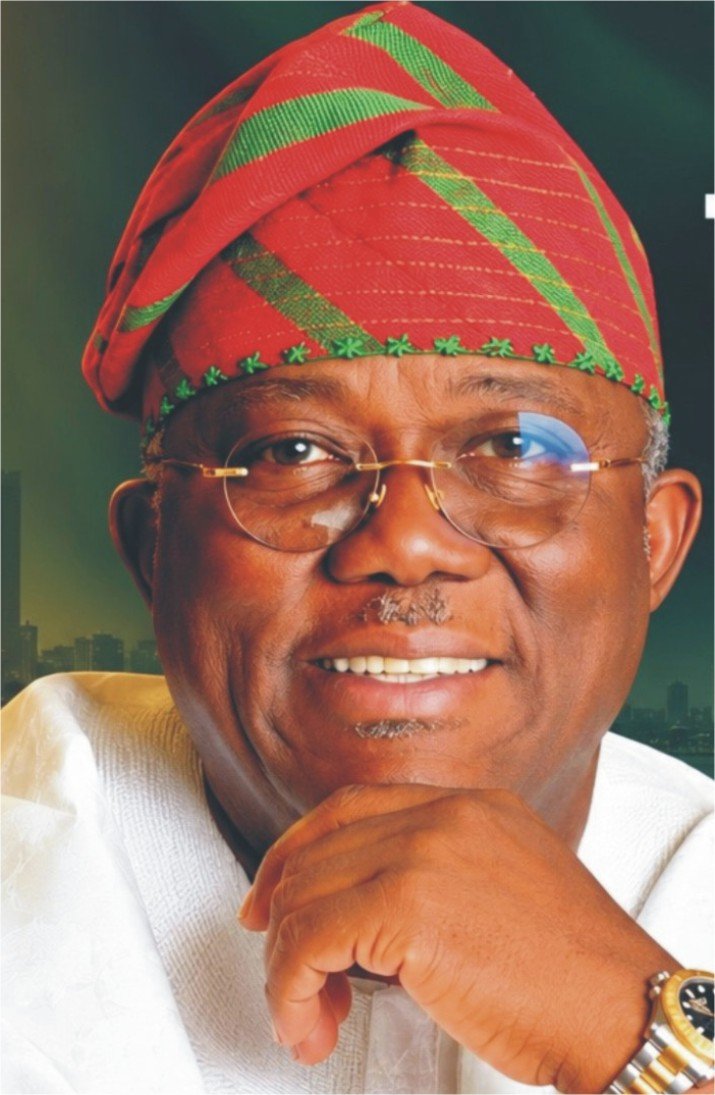
Engr. DEJI DOHERTY, LAGOS PDP Guber Candidate
Engr. Adedeji Doherty, a former Chairman of the Peoples Democratic Party (PDP) in Lagos State and a former National Vice Chairman of the party in the South-West, has opened up on his emergence as a governorship aspirant of the PDP ahead of the 2027 elections.
In this interview with City People, Doherty speaks on the rebuilding of the PDP in Lagos, his experience within the party, the strength of his grassroots structure, why the party has been deliberately quiet about its campaign strategy, his plans for young people, education, healthcare, electricity, housing and the economy, as well as what he believes differentiates him from other aspirants.
You were involved in the PDP at a very difficult period when the party was going through internal crises. How did you arrive at this point where you are now seeking the governorship ticket?
When we met some months ago, things were not very clear because the party was still dealing with some of the crises that had affected it. After that period, we had our national convention, and I was nominated as the National Vice Chairman of the South-West for the Peoples Democratic Party.
Since then, as part of the National Working Committee led by Amb. Umar Damagum, we have been working to stabilise the party and bring back some of the people who had become estranged from the party or walked away because of the crisis.
We have gone through a lot. We have been in and out of court, even up to the Supreme Court, and fortunately, God has given us victory. After the party began to stabilise, we commenced preparations for the various primaries, including those for the House of Assembly, House of Representatives, Senate, governorship and presidency.
We have also seen a lot of interest in the PDP, not only in Lagos but across the South-West. We have seen people moving from other political parties into the PDP. We have seen members of the APC and other parties coming into the PDP because they were dissatisfied with how things were handled in their respective parties.
In Lagos, a number of people initially showed interest in the governorship, but along the line, for reasons best known to them, they could not reconcile themselves with the structure they would have to work with.
In my own constituency, the leaders of the party approached me. They reached a consensus that they wanted me to pick up the mantle and lead them on this journey.
I have contested a number of times as an aspirant, and this call to serve the party and the people of Lagos is something I have always wanted to do. I thought I already had quite a lot on my plate, but I realised that God was putting even more on it. I had no other choice but to accept this calling. I believe it is a calling and a destined one.
How strong is the PDP in Lagos today, particularly at the grassroots level?
We are coming out of a crisis that affected the party only a few months ago, and mobilisation in politics is all about the grassroots.
A lot of people do not understand what politicians mean when they talk about the grassroots. The grassroots is basically the ward level and the people within those communities. You have to go there, identify new people and bring them into the political process.
As some politicians are getting older, younger people are coming up. We have been mobilising at that level.
If six months ago we were perhaps around 15,000 or 16,000 in terms of our active mobilisation, today we can talk about figures approaching 40,000 to 45,000 people within our mobilisation structure. We have had people coming from the Labour Party, ADC and other political parties into the PDP.
Even some of the people around us today were formerly members of other parties. The movement, the push, the interest and, importantly, the track record that we have established are bringing more people into the party.
So, I believe our grassroots structure is becoming more robust.
You are challenging a party that has been in control of Lagos for many years. How do you intend to defeat the APC?
That is something we would rather keep to ourselves for now.
What I can tell you is that we have established a structure across the 20 local government areas and the LCDAs. The PDP has 647 wards in Lagos State, and they are all represented.
There is a reason we are working with this structure, and there are strategic things tied to it that I would rather not disclose at this stage.
Many political candidates have already started covering Lagos with posters and making their campaigns very visible. Why has the PDP been relatively quiet?
Yes, the quietness is deliberate.
The few times I have contested in the past, you would agree with me that even before the primaries, the entire state would already be buzzing with posters and different forms of campaign activities.
But I have also seen how the ruling party can use certain strategies to truncate the ambitions of opposition politicians before they even get to the point where they can compete effectively.
This time around, we are not going to let the cat out of the bag until the cat is ready to catch the fish or the rat.
So, yes, it is deliberate. We have strategic executions that we are keeping under wraps for now.
There are several prominent names associated with the opposition space in Lagos. How do you see the other aspirants who are emerging?
I am actually pleased with the number of people who have shown interest, particularly the demographic concentration of young people who are coming out.
I have had relationships with several of them over the years. I have served in different capacities within the PDP. I have been the Financial Secretary of the zone, Organising Secretary of the zone and Acting Vice Chairman of the zone. I have also served as Director-General of campaigns, including the Atiku campaign, and I have chaired a Presidential Campaign Council.
I have served as Deputy National Secretary and also as the National Vice Chairman of the South-West. So, I have moved from the lower levels of the party to the higher levels.
That experience is important because some of the people now competing have not gone through the kind of party work that I have gone through.
I have worked closely with several of them. I know their capacities and I know a little about them that they may not know about me because they have not come through the same political journey.
For instance, when Jimi Agbaje was in the PDP, I worked closely with the process that brought him into the party. I also played roles around the emergence of candidates in Lagos East. I have worked with many of the people who have now become prominent politicians.
So, I understand the terrain.
What, in your view, gives you an advantage over the other aspirants?
Winning an election, particularly a governorship election, requires structure and resources. I believe we have the structure. We may not have as much money as those in government, but we have something stronger than money, and that is our structure and experience.
I have worked in the party for many years. I have contested governorship elections several times as an aspirant. I have been involved in campaign management and party administration at different levels.
I have also spent over 40 years in the private sector. My company will be 40 years old this December. Over the years, I have mentored many people who have gone on to become very successful.
I have a clean record. I have not been involved in fraud or the kind of activities that would make me unfit to serve the people.
I have gone through primary and secondary education here, attended school in the United States, returned to Nigeria, served the country through the National Youth Service Corps and went into business. I have managed companies, worked with international organisations, employed people and trained people.
So, when we talk about profile, party experience, private-sector experience and contribution to society, I believe I have a very strong profile.
What is your assessment of the APC government in Lagos?
I believe Lagosians should look at the performance of the APC governments over the years and decide whether they are satisfied or whether they want a change.
At the national level, there are some things President Bola Tinubu has done that I acknowledge. He has taken some difficult decisions, including the removal of fuel subsidy and the floating of the naira. Those decisions have created hardship, but there are also areas where his administration has tried to address structural issues.
One thing that particularly impressed me was the attempt to make local governments more independent. Local governments are the closest level of government to the people.
Unfortunately, the issue of local government autonomy faced resistance, including from state governments. But if local governments are allowed to function properly, democracy will thrive because they are closest to the people.
However, I believe there is a disconnect between what is happening at the national level and what is happening in Lagos.
Lagos is a state with enormous resources. If the additional funds coming from subsidy removal are available to the state, they should translate into better healthcare, education, infrastructure and other things that directly affect the people.
Sarah OJO
09037325110
