

-
The Dos & Don’ts Every Muslim Must Know
The Ileya Festival, popularly known in Islam as Eid-ul-Adha, is one of the most spiritually significant celebrations in the Muslim world. It is a season of sacrifice, obedience, gratitude, generosity and total submission to Allah.
For many Muslims across Nigeria and beyond, Ileya is not just about wearing new clothes, eating ram meat or attending parties. It is a sacred period rooted deeply in the story of Prophet Ibrahim (AS), his unwavering faith, and his willingness to sacrifice what he loved most for the sake of Allah.
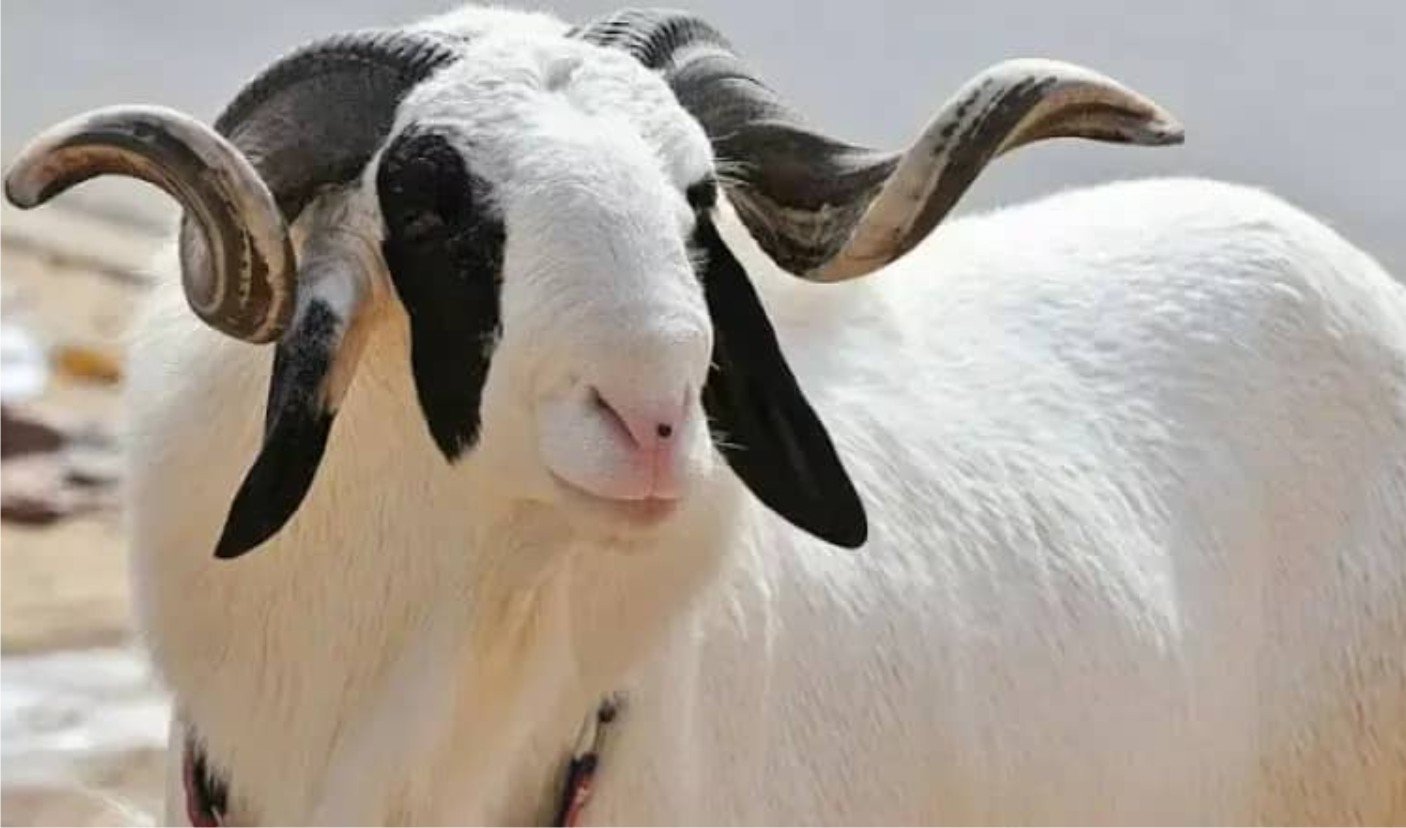
Allah later replaced Prophet Ibrahim’s son with a ram, rewarding his obedience and making the sacrifice an eternal symbol for Muslims.
Allah says in the Qur’an: “And We ransomed him with a great sacrifice.” (Qur’an 37:107)
Today, Muslims all over the world commemorate this act through prayers, sacrifice, charity and righteous living.
But Islamic scholars have repeatedly stressed that many Muslims focus more on merriment and neglect the real lessons and etiquettes of the festival.
So, how exactly should Muslims celebrate Ileya according to the Qur’an, Hadith and Islamic scholars’ view?
THE THINGS MUSLIMS SHOULD DO DURING ILEYA
(1) ATTEND EID PRAYER EARLY
One of the greatest Sunnahs of Eid-ul-Adha is attending the Eid prayer in congregation.
The Prophet Muhammad (SAW) encouraged Muslims — men, women and children — to gather for the Eid prayer.
According to Hadith narrated by Bukhari and Muslim, the Prophet (SAW) would go out for Eid prayer and deliver sermons reminding Muslims about righteousness and gratitude.
Scholars say attending Eid prayer reflects unity, brotherhood and submission to Allah.
Allah says:
“Indeed, We have granted you abundance. So pray to your Lord and sacrifice.” (Qur’an 108:1-2)
Many scholars interpret this verse as a direct instruction linking Eid prayer with sacrifice.
(2) GLORIFY ALLAH WITH TAKBIR
During the days of Dhul Hijjah, especially from the Day of Arafah until the days of Tashreeq, Muslims are encouraged to constantly recite Takbir:
“Allahu Akbar, Allahu Akbar, La ilaha illa Allah, Allahu Akbar, Allahu Akbar wa lillahil hamd.”
This remembrance magnifies Allah and reminds Muslims that the festival is spiritual before it is social.
Allah says:
“And proclaim the greatness of Allah for guiding you.” (Qur’an 2:185)
Islamic scholars like Ibn Taymiyyah and Imam An-Nawawi emphasized the importance of Takbir during Eid celebrations.
(3) OFFER SACRIFICE (QURBANI) CORRECTLY
The slaughtering of ram, cow, camel or goat is one of the most important acts of Eid-ul-Adha. It is done in remembrance of Prophet Ibrahim’s obedience to Allah.
The Prophet Muhammad (SAW) said: “The son of Adam does not do any action on the Day of Sacrifice more beloved to Allah than shedding blood of animals prescribed.”
(Tirmidhi). However, scholars stress that sacrifice must be done sincerely for Allah and according to Islamic guidelines.
The meat should also be shared among family, friends and the poor and needy Allah says:
“Eat from it and feed the poor and needy.” (Qur’an 22:28)
(4) SHOW KINDNESS TO THE POOR
Ileya is not meant to be enjoyed by the rich alone. One of the strongest messages of Eid-ul-Adha is caring for less privileged people. Islam encourages Muslims to share food, visit the needy, give charity, support widows and orphans. The Prophet (SAW) consistently encouraged generosity during festive periods. Scholars say a Muslim who celebrates lavishly while ignoring hungry neighbours misses part of the essence of Eid.
(5) WEAR CLEAN AND DECENT CLOTHES
Islam encourages Muslims to appear neat and presentable during Eid. The Prophet (SAW) wore his best clothes on Eid days. However, scholars warn against extravagance, indecent dressing or competition driven by pride. Eid dressing should reflect gratitude and modesty, not arrogance.
(6) MAINTAIN FAMILY TIES
Eid-ul-Adha is also a time to strengthen relationships.
Muslims are encouraged to visit parents, reconcile with relatives, call loved ones and forgive one another. The Prophet Muhammad (SAW) strongly warned against cutting family ties. Eid is one of the best moments to restore broken relationships.
THE THINGS MUSLIMS SHOULD AVOID DURING ILEYA
(1) AVOID WASTEFUL SPENDING
Many people turn Ileya into a season of unnecessary competition and financial pressure. Some borrow money just to impress others with clothes, parties or expensive rams. Islam strongly discourages extravagance. Allah says: “Indeed, the wasteful are brothers of the devils.” (Qur’an 17:27) Scholars warn Muslims not to allow societal pressure push them into hardship.
(2) AVOID SHOWING OFF
One major danger during festive periods is Riyaa (showing off). Some people post sacrifices, wealth and expensive lifestyles mainly for public praise. Islam teaches sincerity in all acts of worship. The Prophet (SAW) warned that deeds done for show may lose their reward before Allah. Sacrifice should be for Allah — not for social media validation.
(3) AVOID NEGLECTING PRAYERS
Sadly, some Muslims become so occupied with celebrations that they neglect Salat. Islamic scholars repeatedly stress that no celebration should lead Muslims away from their daily prayers. The true success of Eid lies in obedience to Allah.
(4) AVOID IMMORAL GATHERINGS
Some Ileya celebrations include excessive music, clubbing, drunkenness, indecent dancing, gambling, and free mixing without boundaries. These practices contradict Islamic teachings. Scholars explain that Eid is a lawful celebration, but not a licence for sinful behaviour. Muslims are encouraged to celebrate within the limits set by Islam.
(5) AVOID MISTREATING ANIMALS
Islam teaches kindness even during slaughter. The Prophet Muhammad (SAW) instructed Muslims to sharpen their knives properly and avoid causing unnecessary suffering to animals.
Hadith in Sahih Muslim states: “Allah has prescribed excellence in all things…”
Islamic scholars say cruelty to animals contradicts the spirit of sacrifice.
(6) AVOID PRIDE AND ARROGANCE
Some people use Ileya to mock those who cannot afford ram or expensive celebrations. Islam condemns arrogance and humiliation of others.
Allah looks at sincerity and piety — not wealth or status.
Allah says: “It is neither their meat nor their blood that reaches Allah, but your piety.” (Qur’an 22:37)
This verse is regarded by scholars as one of the most powerful reminders about the true meaning of Eid-ul-Adha.
THE REAL MESSAGE OF ILEYA FESTIVAL PASSES
According to Islamic scholars, the real lessons of Eid-ul-Adha include obedience to Allah, sacrifice, patience, gratitude, compassion, generosity and submission to divine instruction.
The festival reminds Muslims that faith sometimes requires sacrifice, discipline and sincerity.
As Muslims celebrate Ileya across the world, scholars advise believers not to reduce the sacred festival to mere enjoyment, food and fashion.
Rather, Muslims should use the occasion to draw closer to Allah, help humanity and revive the beautiful Sunnah of Prophet Ibrahim (AS) and Prophet Muhammad (SAW). Indeed, the true beauty of Ileya does not lie in the size of the ram, but in the sincerity of the heart.
-Jamiu Abubakar
08085185886
