

-
To Stream Live Matches
For many football lovers, watching a live match used to mean sitting in front of a television set, paying for a satellite or cable subscription, or finding a viewing centre where several fans could gather to watch their favourite teams. Today, however, the story is changing rapidly. YouTube has become one of the places football lovers increasingly turn to when they want to watch matches, follow live commentary, see highlights or find legally available live broadcasts.
The rise of YouTube as a live-streaming platform did not happen overnight. YouTube was launched in 2005 primarily as a platform for uploading and watching recorded videos, but the company began experimenting seriously with live streaming around 2008 and 2010. In September 2010, YouTube tested a new live-streaming platform with selected partners, while in April 2011 it formally announced the initial rollout of YouTube Live, creating a dedicated destination for live events.
The company quickly demonstrated that live streaming could attract huge audiences. Sporting events, concerts, interviews and other major occasions began appearing on the platform. YouTube later highlighted major events that attracted millions of viewers, helping establish the platform as an important destination for live content.
Football naturally became an important part of this transformation because of the sport’s enormous global following.
What makes YouTube particularly attractive today is its simplicity. Unlike some dedicated streaming applications that require users to download another app, create a new account, learn a different interface and sometimes pay a separate subscription, YouTube is already installed or easily accessible on many smartphones, smart televisions, tablets and computers.
A football fan can simply open YouTube, search for the match or the official broadcaster and immediately see whether a legitimate live stream is available. That convenience has made the platform increasingly important to viewers who want everything in one place. “I don’t want to download five different applications just because I want to watch football. YouTube is already on my phone, so I just open it and search,” one fan said.
For viewers in markets where television subscriptions are expensive relative to income, the attraction is even greater. Instead of paying for an entire television package just to watch a few football matches, some fans prefer platforms where particular games, competitions, club channels, interviews and football programmes may be available without an additional subscription.
This does not mean every football match on YouTube is free. Broadcast rights remain a major issue, and the availability of a match depends on the country, competition and rights holder. YouTube also takes action against unauthorised broadcasts of copyrighted matches, meaning fans cannot assume that every live match they find on the platform is legitimate.
That distinction is important because the growing popularity of YouTube has also encouraged unauthorised streams. Some channels attempt to rebroadcast matches without permission, only for the streams to disappear during the game. For fans, this can be frustrating, particularly when a stream suddenly goes off just as a crucial moment is about to happen.
“I have seen matches disappear halfway through because the stream was not authorised. That is why I prefer official channels when they are available,” another viewer explained.
Still, YouTube’s biggest advantage is that it offers more than the match itself. Football lovers can watch pre-match discussions, tactical analysis, post-match reactions, press conferences, interviews, goals, extended highlights and fan programmes on the same platform. The live-chat feature also allows viewers to interact with other fans while watching a live stream.
The platform has also benefited from the changing habits of younger football audiences. Many fans no longer see the television as their only screen. A smartphone can now become a football television, while a laptop or smart TV can provide the same experience on a bigger screen.
There is also the issue of cost. As subscriptions to traditional sports broadcasters and streaming services become more expensive, football lovers are becoming more selective about what they pay for. YouTube gives them another option, particularly when clubs, leagues, broadcasters or tournament organisers make selected matches and programmes available legally on the platform.
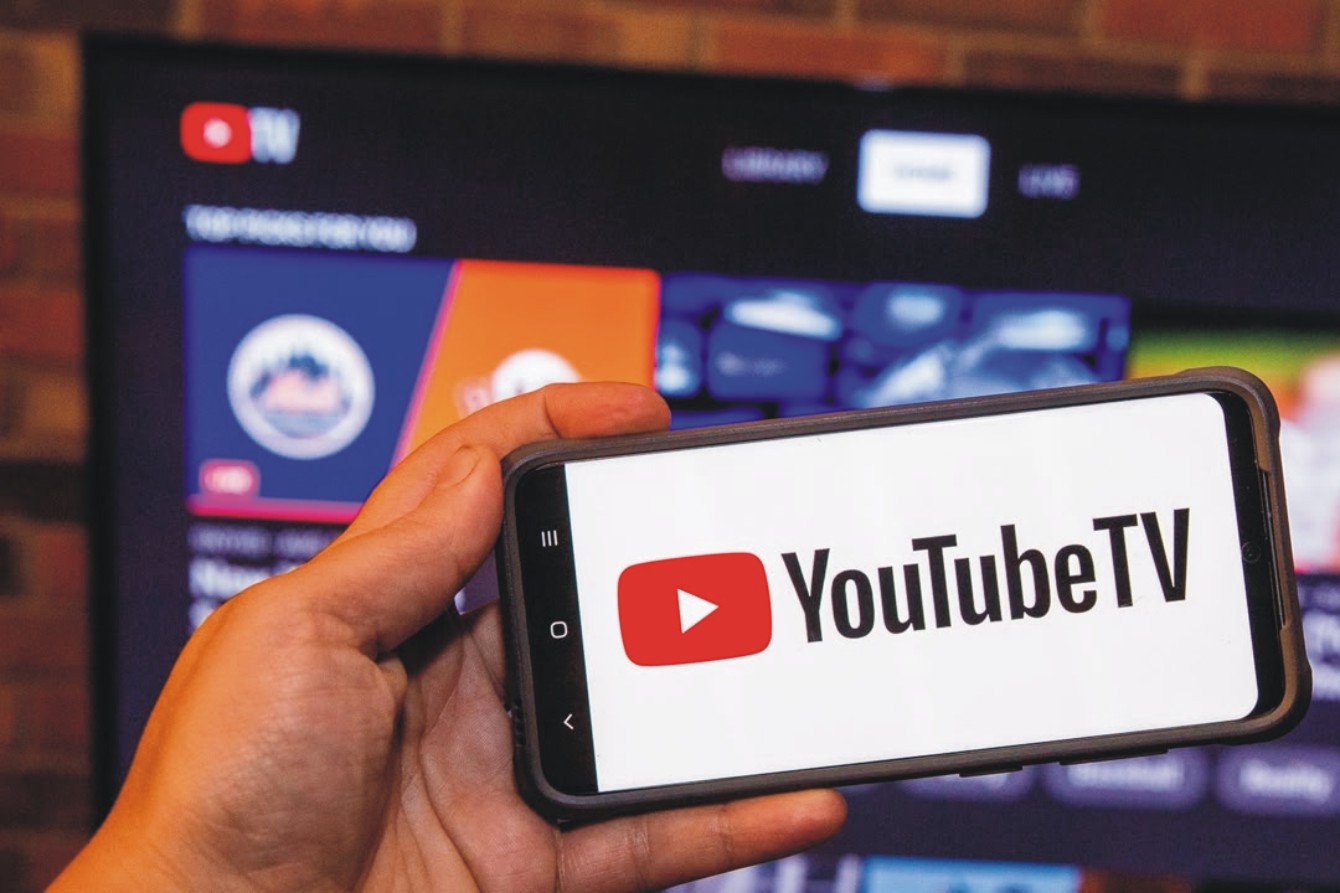
YouTube’s wider television service has also moved further into sports, offering sports-focused packages in markets where the service operates. This reflects how seriously the company now takes live sports and how much demand exists for watching sporting events through internet-based platforms.
For football lovers, therefore, YouTube is no longer simply a place to watch yesterday’s goals. It has become part of the modern football-viewing experience.
“I can watch the match, check the highlights afterwards and listen to people analysing what happened, all on one platform. That saves me time and sometimes saves me money,” a football viewer said.
The growth of YouTube does not mean traditional broadcasters are disappearing. Major football competitions still depend heavily on television and paid streaming services, particularly for exclusive live rights. But YouTube has changed the expectations of viewers by showing that live sports can be delivered directly to people’s phones and televisions without the old limitations of traditional broadcasting.
As internet access improves and smartphones become more common, the appeal is likely to grow. For football lovers who want convenience, flexibility and, where legitimate free streams are available, lower viewing costs, YouTube is increasingly becoming the first place to check when the whistle is about to go.
–Benprince Ezeh
